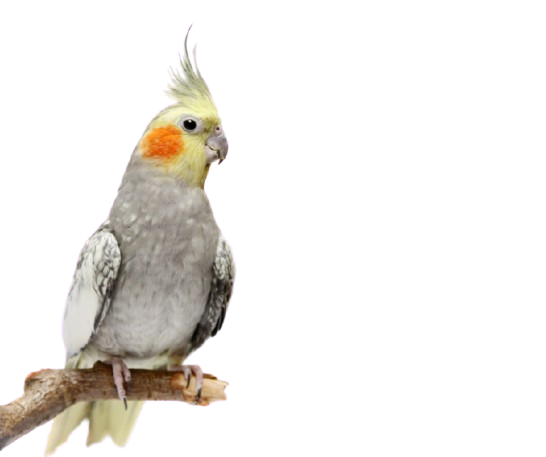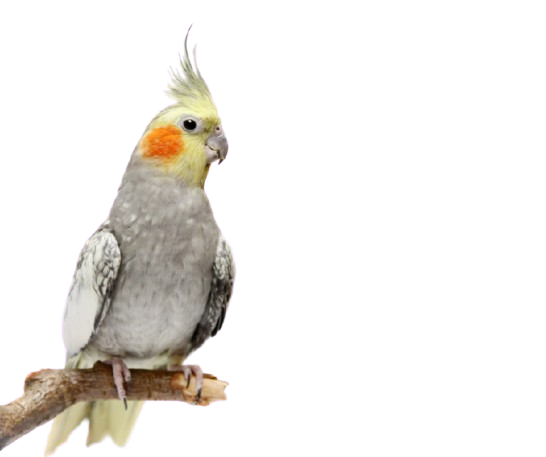
What Should You Look for When Buying a Cockatiel?
What Should You Look for When Buying a Cockatiel that will truly thrive as a member of your family for the next fifteen or twenty years? It’s a weightier decision than many people realize at first. I’ve been working with these birds for a long time, and I’ve seen firsthand how a little bit of foresight during the selection process can make the difference between a bird that becomes your best friend and one that struggles to adapt to domestic life. You aren’t just picking out a pet; you’re choosing a personality, a history, and a companion. Don’t let the excitement of seeing a cute bird in a pet shop window blind you to the signs of health, socialization, and temperament that actually matter when you are figuring out what to look for when buying a cockatiel.
Key Takeaways
- Health First: Always observe the bird’s eyes, nostrils, and posture; a healthy cockatiel is alert, active, and keeps their feathers groomed.
- Socialization is Key: A hand-raised bird that is used to human touch will adjust to your home significantly faster than a parent-raised or colony-raised bird.
- The Breeder Connection: Don’t be afraid to ask tough questions about the bird’s background; a good breeder will be open and proud of their husbandry practices.
- Behavioral Cues: Look for curiosity. A bird that watches you with interest is usually a bird that is ready to bond with you.
- Avoid Impulse Buys: Never rush the process. If something feels off, or if you can’t get clear answers, it’s always better to walk away and keep looking.
What Should You Look for When Buying a Cockatiel: The Health Checklist
When you are deep in the search process and asking yourself What Should You Look for When Buying a Cockatiel, health is the absolute baseline. I’ve seen too many people fall in love with a bird’s appearance, only to find out later that the poor thing had hidden respiratory issues. You don’t need to be a vet to do a solid visual check.
Start with the eyes. They should be clear, bright, and alert. If you see discharge or if the bird is constantly closing one eye, that’s a red flag. Move to the nostrils (the nares). They should be clean—no crust, no blockage, and no persistent sneezing or whistling sounds that shouldn’t be there. I also pay a lot of attention to the posture. A healthy cockatiel is perched upright and looks “solid.” If a bird is huddled in a corner, puffed up, or seems to be struggling to keep their balance, something is wrong. I think people often want to “rescue” a sick bird, but that is a heart-breaking path for a first-time owner. Start with a healthy, vibrant bird and save yourself the stress.
Why Socialization is the Real Secret to Success
I always tell my clients that what you should look for when buying a cockatiel has more to do with their past than their present color. If you are asking, “What should you look for when buying a cockatiel,” you need to be thinking about “hand-raised.” This means the bird was fed and handled by humans during their most formative weeks.
A hand-raised baby has been conditioned to see humans as part of their flock. They are used to fingers, they’re used to the sound of a human voice, and they are usually much less prone to the “flighty” panic that wild-raised birds can show. If a bird is terrified when you approach the cage, it’s not because they’re “bad”—it’s because they don’t know you. You can build trust with a bird like that, but it takes months, and it’s a very different experience than bringing home a baby who already thinks your finger is the best perch in the world.
The Importance of Evaluating the Breeder
If you’re wondering what should you look for when buying a cockatiel, look at the person selling them. I firmly believe in this: the breeder’s ethics define the bird’s future. If they’re cage-stuffing them in a shed, that bird is going to be stressed, regardless of how “cheap” the price is.
- Ask about their process: Do they hand-feed? How often do they interact with the babies?
- Look at the cleanliness: Is the facility clean? Are the food bowls free of old, rotting debris?
- Get a feel for their passion: Do they answer your questions thoroughly, or do they seem annoyed that you’re asking?
- Check for guarantees: Will they allow you to take the bird to an avian vet within 24-48 hours for a checkup?
List of Top Breeders and Species for Enthusiasts
In my experience, where you find your bird is just as important as the bird itself. Here is a guide on navigating the options:
- Specialized Avian Breeders: These are usually your best bet. They focus on the health and temperament of one or two species.
- Local Avian Clubs: Often, these clubs have members who have been breeding for thirty years. They are gold mines for finding high-quality birds.
- The “Normal” vs. The “Fancy”: Don’t let yourself get distracted by rare color mutations if the bird itself doesn’t seem right. A gorgeous White-Faced bird with a skittish temperament is a worse pet than a “basic” Grey that loves your company.
Understanding Behavioral Traits
What should you look for when buying a cockatiel regarding behavior? Look for the “explorer.” When you approach the cage, does the bird come to the bars? Do they tilt their head? That inquisitiveness is a great sign. It means they’re confident enough to engage with the world, which is exactly the kind of trait you want in a future companion.
Conclusion: Making the Right Choice for Your Home
To recap what should you look for when buying a cockatiel, it’s a mix of objective health markers and subjective personality matching. Do your physical check, insist on a hand-raised bird, and trust your gut when you’re talking to the breeder. You are going to be living with this creature for nearly two decades, so there is absolutely no reason to rush the decision. Take your time, find the breeder who prioritizes the bird’s well-being above a quick sale, and wait until you find that one bird that seems to be waiting for you. When you get it right, it’s one of the most rewarding experiences you can have.
Frequently Asked Question
Q: If I’m wondering what should you look for when buying a cockatiel, how much does the bird’s age at the time of purchase matter for their training success?
A: Age is a major factor! The ideal time to bring a cockatiel home is just after they have been “weaned”—meaning they are fully eating on their own but are still young enough to be highly impressionable. This usually happens around 8 to 12 weeks of age. Bringing a bird home at this stage is usually the best approach because they are at their most curious and least fearful, making them perfect for bonding. While you can bond with an older bird, it takes significantly more patience and consistency. If you have the choice, aiming for that 8-to-12-week window is the gold standard for what to look for when buying a cockatiel if you want the easiest possible start to your journey together.