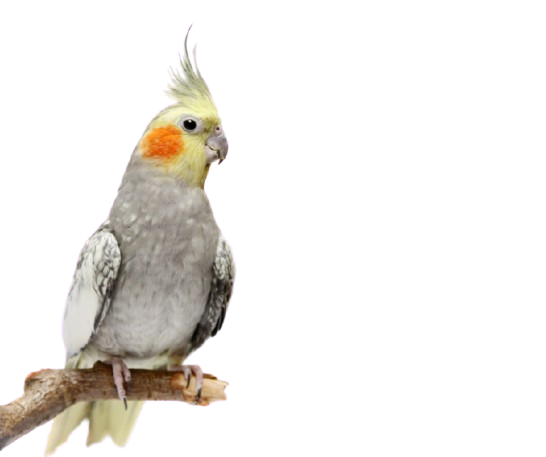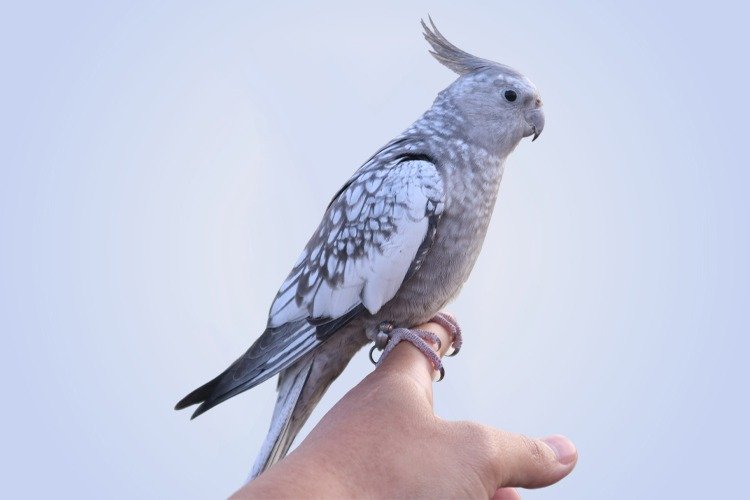
How Do I Know if a Cockatiel Is Right for Me
How Do I Know if a Cockatiel Is Right for Me? That is the big question I get asked daily by folks looking to add a little feathered magic to their lives. Honestly, it’s a brilliant question to start with. Most people jump straight to buying a cage, but figuring out if your lifestyle matches the needs of these crested, whistling bundles of joy is the real first step.
Cockatiels aren’t just “pets”—they are intelligent, social, and long-term companions that require a commitment similar to a dog or cat, only with a lot more whistling. In this guide, I’ll help you peel back the layers on whether a cockatiel fits into your home, your schedule, and your heart, keeping in mind that these little guys live for up to two decades.
Key Takeaways
- Lifelong Commitment: You are looking at a 15-25 year partnership, not a short-term hobby.
- Social Needs: These birds are flock-oriented and need daily human interaction to stay mentally healthy.
- Environmental Safety: Your home must be bird-proofed—no Teflon pans, scented candles, or drafty areas.
- Noise and Personality: Expect whistles, inquisitive chirps, and occasionally, a very loud “flock call” if they miss you.
- Maintenance: While they are “low maintenance” compared to macaws, they still need daily cage cleaning, fresh food, and regular out-of-cage time.
Understanding the Cockatiel Personality
If you are asking yourself, How Do I Know if a Cockatiel Is Right for Me, start by looking at your daily routine. Do you enjoy having a “shadow”? Cockatiels are famous for their Velcro-like personality. They don’t just want to be in the same room as you; they want to be on you.
I’ve seen it a thousand times: someone brings home a bird hoping it will just sit quietly on a perch, only to realize the bird wants to help them type emails, watch TV, and even investigate their dinner. It’s adorable, sure, but it means you need to be okay with a companion that is constantly active and curious. They aren’t the type of pet you put in a corner and forget about. If you thrive on interaction and want a bird that will eventually learn your favorite whistling tunes or even pick up a few phrases, then you’re already on the right path.
On the other hand, if you prefer total silence at home or work incredibly long hours without the ability to interact with your pet, a cockatiel might find that a bit lonely. They can become stressed—and noisy—if they feel abandoned. I think it’s important to be honest with yourself about your capacity for “bird time.”
Is Your Home Ready for a Bird?
Beyond the personality, you have to look at your physical living space. How Do I Know if a Cockatiel Is Right for Me involves checking your home for invisible dangers. It’s a bit of a reality check, but necessary.
For instance, do you use non-stick cookware? If you use traditional Teflon-coated pans, the fumes released during overheating are toxic to birds. Seriously, it’s one of the biggest risks I warn new owners about. Then there are the household cleaners, scented candles, and essential oil diffusers—all these things that make our houses smell nice can be incredibly harmful to a cockatiel’s delicate respiratory system.
You also need to think about space. While they are small, they are active. A “bird-safe” room is essential. This means no ceiling fans running when the bird is out, no open windows, and no toxic house plants they might nibble on. It’s a bit of a lifestyle adjustment, like child-proofing, but once you get into the rhythm, it becomes second nature.
The Reality of Daily Care and Hygiene
Let’s talk about the mess. I’m a breeder, and I’ll be the first to tell you: birds are messy. They have “powder down” feathers, which produce a fine dust. If you have severe allergies, that’s something to consider. They also tend to toss seeds, hulls, and bits of vegetables around their cage.
However, cleaning up is part of the bonding process. Every morning, I change my birds’ water, scrub the dishes, and tidy up the floor around the enclosure. It takes maybe ten minutes. If that sounds like a dealbreaker to you, you might want to rethink. But if you find joy in the caretaking—the rhythmic cleaning, the fresh fruit prep, the daily chat with your bird—then the trade-off is worth it.
Top Factors for Prospective Owners
When weighing How Do I Know if a Cockatiel Is Right for Me, I like to list out the non-negotiables for success:
- Daily Social Time: Can you commit to at least 1-2 hours of out-of-cage, interactive time every single day?
- Financial Readiness: Beyond the initial setup (cage, toys, high-quality pellets), can you handle the cost of an avian veterinarian? (Note: Regular vets aren’t always trained for birds).
- The “Noise” Tolerance: Are you okay with whistling during the morning? They aren’t “screechers” like larger parrots, but they do have a distinct voice.
- Family Dynamic: Do you have small children or other pets like cats or dogs? You’ll need to manage these interactions carefully to ensure the bird feels safe.
Conclusion: Are You Ready for a Winged Companion?
Ultimately, the question of How Do I Know if a Cockatiel Is Right for Me comes down to whether you are looking for a true, long-term companion or just an “ornamental” pet. These birds are emotional, smart, and deeply rewarding. They will learn your habits, they will call to you when you walk through the door, and they will bond with you in ways that might surprise you.
If you’ve read through these requirements and find yourself nodding along rather than feeling burdened, then you are likely exactly the kind of person a cockatiel would love to join. It’s a commitment, but I promise, the whistling melodies and the quiet moments of companionship make every bit of it worth it.
Frequently Asked Questions (FAQ)
Q: Do I need to buy two cockatiels to keep them happy, or is one enough?

A: This is a great question. While cockatiels are flock animals, a single bird can thrive perfectly fine if you are committed to being its “flock.” If you are home a significant portion of the day and can provide ample social interaction, a single cockatiel will often form a much deeper, more intimate bond with you. However, if you work long hours or travel frequently, a pair is often a better choice so they can keep each other company. Just remember that a pair of cockatiels will bond with each other first, and might be slightly less interested in being “hand-tamed” compared to a bird raised solely with human interaction.