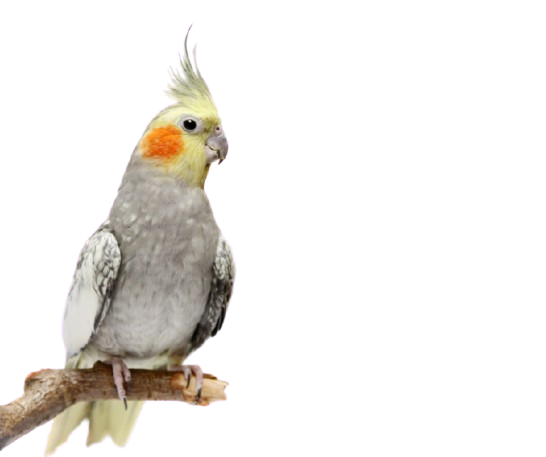
How Often Should I Take My Cockatiel to the Vet?
How Often Should I Take My Cockatiel to the Vet? It’s a question that honestly keeps many new bird owners up at night, and I completely understand why. You want to do right by your little feathered friend, but since birds are so good at hiding when they’re feeling under the weather, it can feel like a guessing game. From my years of breeding and working with these amazing creatures, I always tell people that an annual wellness exam is the gold standard. Even if your bird looks perfectly healthy—eating well, playing, and acting like their usual quirky self—those yearly check-ups allow a vet to build a “normal” baseline for your pet. It’s about catching small issues before they snowball into something much harder to treat. In short, think of it as a preventative measure rather than a reaction to a crisis.
Key Takeaways
- The Annual Rule: Schedule at least one wellness exam per year with an avian-certified veterinarian to establish health baselines.
- Master of Disguise: Remember that cockatiels are prey animals; they will instinctively hide illness until it is quite advanced.
- The “Something’s Off” Signal: Any change in vocalization, appetite, droppings, or energy levels warrants an immediate call to your vet.
- Emergency Preparedness: Have an emergency avian vet contact saved in your phone before you ever actually need it.
- Baseline Knowledge: Regular visits help you and your vet understand what is “normal” for your specific bird, making emergencies much easier to identify.
Why Routine Vet Visits Are Non-Negotiable
If you’re asking, “How Often Should I Take My Cockatiel to the Vet,” you’re already taking a step in the right direction. Many folks get a cockatiel and think that as long as the water bowl is full and the cage is clean, everything is fine. But birds are masters of concealment. In the wild, if a bird looks sick, it’s a target for predators. That instinct doesn’t just disappear when they come into our homes. They might be struggling with a respiratory issue or a nutritional deficiency for weeks without you realizing it.
By keeping a consistent schedule—at least once a year—you’re doing more than just paying for a check-up. You’re allowing the vet to catch things like subtle weight changes, overgrown beaks, or early signs of feather health issues. I’ve seen many owners regret skipping that annual visit when a minor, treatable condition turns into a significant emergency.
Understanding the “How Often Should I Take My Cockatiel to the Vet” Dilemma
It’s easy to get caught up in the idea that if the bird isn’t “acting sick,” they don’t need a doctor. But I like to compare it to pediatric care. You don’t wait for your child to be gravely ill to get a check-up, right? It’s the same with a cockatiel. When we talk about how often you should take your bird to the vet, we have to consider their age and history.
For a new bird, an initial check-up is vital to ensure they’re starting off on the right foot—free of parasites or hidden health issues. As they age, those annual visits become even more critical. You’ll notice I keep stressing “avian” vet. This is important. A standard dog-and-cat vet is wonderful, but they aren’t always trained in the specific physiology of a small parrot. Don’t be afraid to ask for their credentials.
Signs You Need to See a Vet Immediately
Sometimes, once a year isn’t enough. If you’re ever wondering if you should go in now rather than waiting for your scheduled date, just go. Better safe than sorry. Keep a close eye on:
- Droppings: A sudden change in color or consistency, or if they stop passing stool regularly.
- Breathing: Tail bobbing, open-mouth breathing, or audible wheezing.
- Behavior: Excessive sleeping, fluffing up for long periods, or a sudden loss of “chatty” personality.
- Physical Changes: Any discharge from the nostrils or eyes, or drooping wings.
Top Tips for Maintaining Your Cockatiel’s Health at Home
While you’re figuring out how often you should take your cockatiel to the vet, don’t forget that your home care routine is the best defense. A balanced diet—largely pellets, with fresh veggies and limited seeds—goes a long way. Keep the environment clean. I’ve seen so many respiratory issues just from poor cage hygiene or improper air quality. And always ensure they have access to UV light, which is crucial for their calcium metabolism.
Frequently Asked Questions
Q: My bird seems totally fine; is it really necessary to pay for an annual vet visit?
A: I get asked this all the time, and I really empathize with the financial side of things. However, because cockatiels are such experts at hiding symptoms, by the time you notice something is wrong, the illness is often quite advanced and much more expensive to treat. Think of the annual visit as a way to keep those big, emergency bills away by catching small problems early. It’s an investment in your bird’s long-term health and your own peace of mind.
Conclusion
At the end of the day, asking “How Often Should I Take My Cockatiel to the Vet” is a sign that you are a caring, responsible owner. Whether it’s a standard annual physical or a quick visit because something just doesn’t feel right, that relationship with a knowledgeable vet is your greatest tool. Our goal is always to keep these clever, sweet companions happy and chirping for as long as possible. So, go ahead and book that check-up. Your bird might not thank you for the travel carrier ride, but they’ll certainly benefit from the care.