Do Cockatiels Get Separation Anxiety
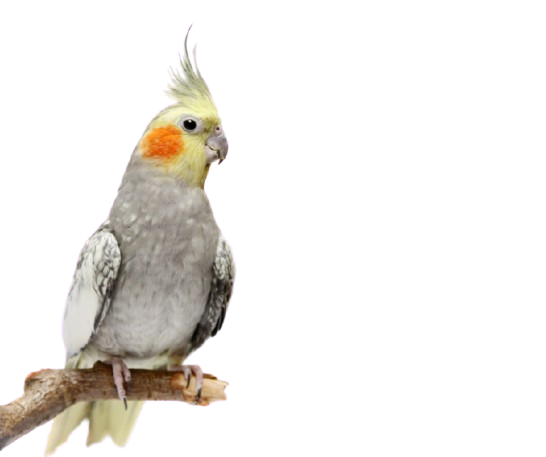
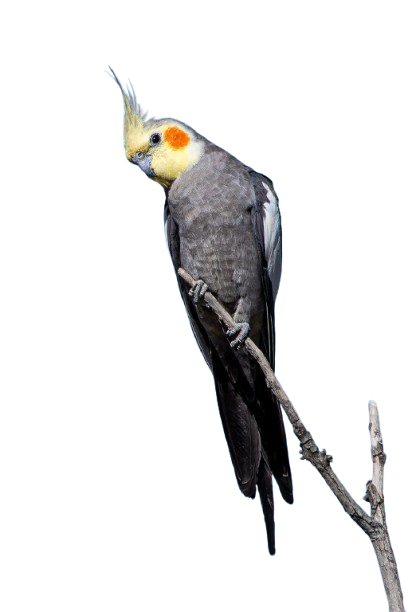
Do Cockatiels Get Separation Anxiety? Absolutely, and it’s something I wish more potential owners truly grasped before bringing one of these sensitive, crest-waving companions into their homes. These birds are hardwired to be part of a flock, and when you become their “person,” you are the only flock they know; when you leave for work or even just walk into another room, they often feel a genuine, deep-seated sense of abandonment. It manifests in persistent calling, frantic pacing, or sometimes even destructive behavior that stems from a bird just trying to find its lost family members. It’s not just “annoying” noise; it’s a symptom of a bird that is struggling to understand why its social anchor has disappeared, and recognizing this is the first step toward building a healthier, more independent bond that keeps your cockatiel feeling secure even when you aren’t right by their side.
Key Takeaways
- Flock Mentality: Cockatiels are intensely social creatures that naturally suffer when left without their flock, which includes their human companions.
- Signs of Distress: Constant screaming, feather destructive behavior, loss of appetite, and lethargy are common indicators of emotional struggle.
- Proactive Management: You can mitigate these feelings by providing foraging toys, a consistent routine, and gradually training the bird to be comfortable in short periods of solitude.
- Environmental Enrichment: A bird that is bored is a bird that is more prone to anxiety; keeping their brain active is a key defensive strategy.
- Consistency is Key: A reliable schedule helps your bird know when you will be gone and when you will return, reducing the uncertainty that drives their anxiety.
Why Cockatiels Are So Prone to Emotional Stress
When people ask me, Do Cockatiels Get Separation Anxiety, I often look back at their history. In the wild, these birds are never truly alone—they are surrounded by hundreds of their kin, constantly communicating, foraging, and preening. When we bring them into our homes, we are asking them to suppress millions of years of evolutionary instinct. I think it’s unfair to expect them to just “be okay” with sitting in a cage for eight or ten hours while we work.
It isn’t just about the silence. It’s about the lack of input. Without their flock, they are vulnerable, and their way of calling out—that high-pitched, insistent whistle—is their attempt to find you. I’ve seen birds that become so stressed they start plucking their own feathers, and it breaks my heart. It really comes down to how well we prepare them for the times we are away.
Recognizing the Patterns of an Anxious Bird
I’ve learned to spot the difference between a happy “hello” whistle and an “anxious” call. If you are wondering Do Cockatiels Get Separation Anxiety, look at the context. Is the bird calling while you are in the other room? Is it pacing back and forth on the perch?
Sometimes, the anxiety is subtle. Maybe they aren’t screaming, but they refuse to eat until you come home. Or maybe they are just lethargic, sitting hunched on the perch, waiting for your return. I think a lot of owners miss these signs because they look “quiet,” but a quiet bird isn’t always a content bird. If you notice your cockatiel only starts eating when you get home, you have an issue that needs addressing immediately.
Strategies to Manage and Reduce Anxiety
If you’ve realized your bird is struggling, don’t panic. You can work through this.
- Foraging Toys: These are essential. If your bird is busy trying to figure out how to get a treat out of a complex toy, they are too busy to stress about your absence.
- Audio Enrichment: I’m a firm believer in leaving the radio on. Some people find that classical music or talk radio helps keep the bird calm—it sounds like a flock interacting, which is reassuring.
- Gradual Desensitization: Practice leaving the room for 30 seconds, then a minute, then five. Return before they start to panic. This teaches them that you do come back.
- Morning Rituals: Establish a routine. When you leave, say a simple, calm “goodbye” and don’t make a big deal of it. Keep your comings and goings low-key.
The Importance of Routine
I cannot overstate how much these little birds crave predictability. When you are asking Do Cockatiels Get Separation Anxiety, you are essentially looking for ways to provide structure. If you leave at 8:00 AM every day and return at 5:00 PM, try to keep that consistent. If you are always gone for the same amount of time, they eventually learn the “shape” of your absence. They know you aren’t gone forever.
I often suggest that owners change their “coming home” routine too. Don’t immediately rush to the cage the second you walk through the door. Change your clothes, get a glass of water, and then greet your bird. It teaches them that your return is a calm, normal event, not a frantic explosion of activity that they have to stress over.
List of Recommendations for Worried Owners
If you’re dealing with a bird that just can’t seem to relax, consider these steps for your home:
- Upgrade the Environment: Ensure the cage is large enough for play. A cramped cage is a prison for an anxious bird.
- Rotate the Toys: Don’t leave the same four toys in there for six months. Switch them out weekly so there is always something new to explore.
- Quality Interaction Time: If you spend two hours with them in the evening, make that time focused. Don’t be on your phone. Be with the bird.
- Consider a Companion: If your schedule is permanently demanding, a second cockatiel might be the best way to ensure your bird is never truly “alone.”
Conclusion: Balancing Freedom and Affection
When you finally answer the question, Do Cockatiels Get Separation Anxiety, you realize that managing it is part of being a good parent. It’s not about curing them of their need for you; it’s about giving them the confidence to be themselves while you’re away. You want to build a relationship based on trust, not dependency. By providing enrichment, structure, and calm transitions, you are helping your cockatiel realize that they are safe in your home, even when you aren’t in their line of sight. It’s a process, sure, but seeing your little bird calm down and start playing on their own is one of the most rewarding feelings you can have as an owner.
Frequently Asked Question (FAQ)
Q: If I leave for work, will playing recorded videos of myself help my bird feel better?

A: That’s a creative idea, but in my experience, it often backfires. For a bird, hearing your voice or seeing your image without being able to interact with you can actually increase their frustration. It reminds them that you are “present” but unreachable, which can turn simple boredom into intense anxiety. It’s usually better to play something neutral—like white noise, nature sounds, or soft music—that doesn’t trigger the expectation of your direct attention. The goal is to provide a calm background, not a digital substitute for your company, because your bird is smart enough to know the difference. Focus on providing physical things to do, like puzzles or shreddable toys, rather than trying to replicate your presence digitally.