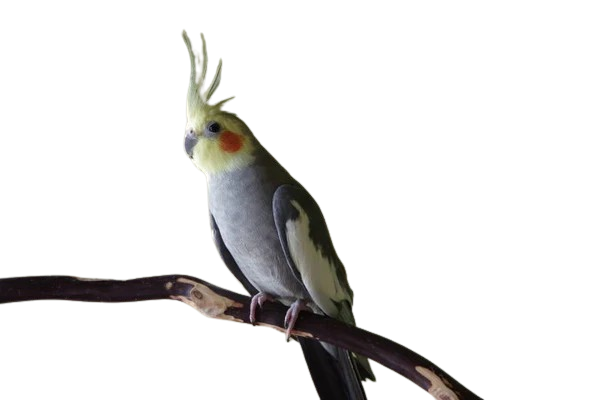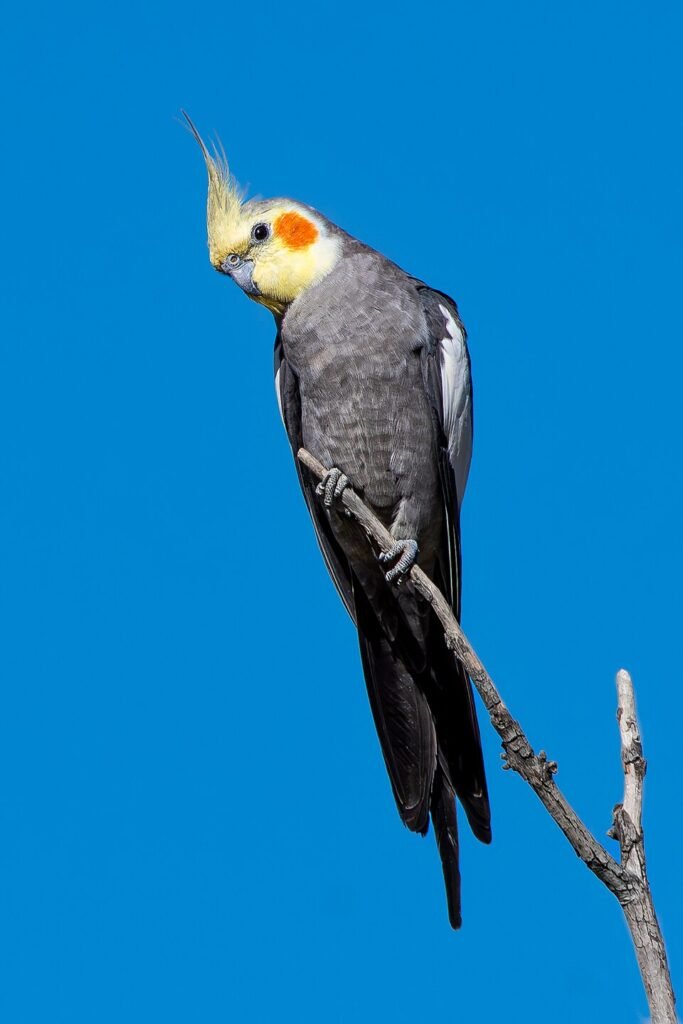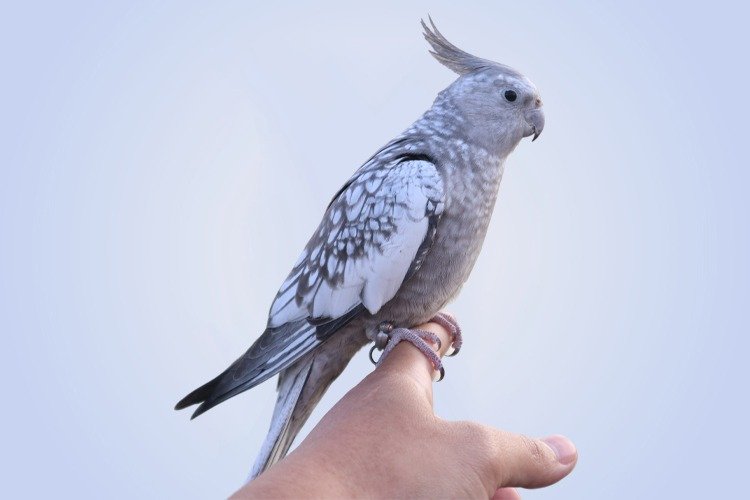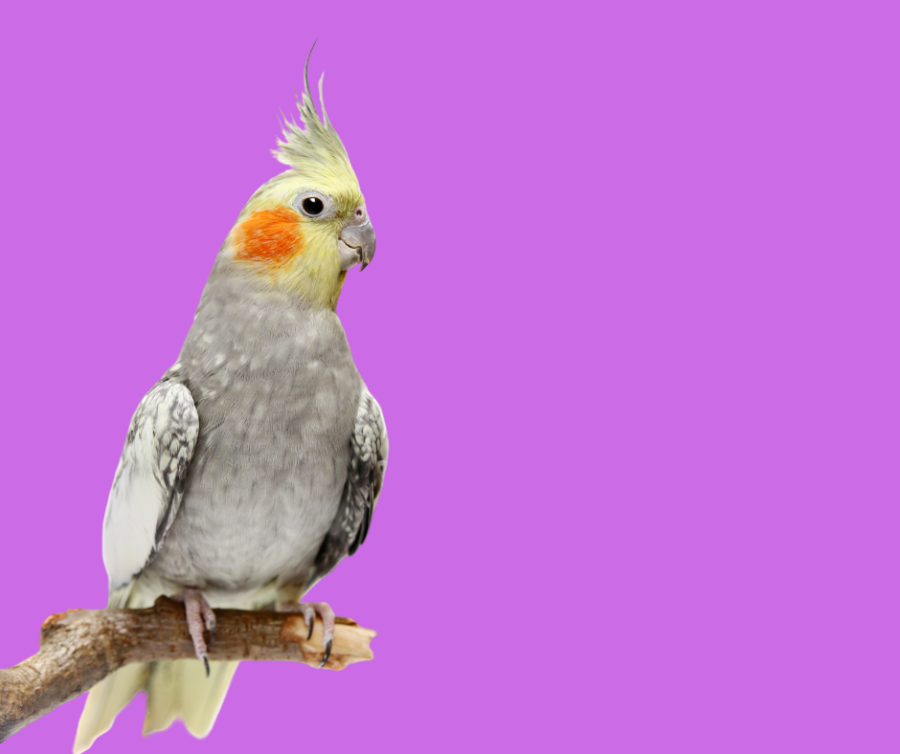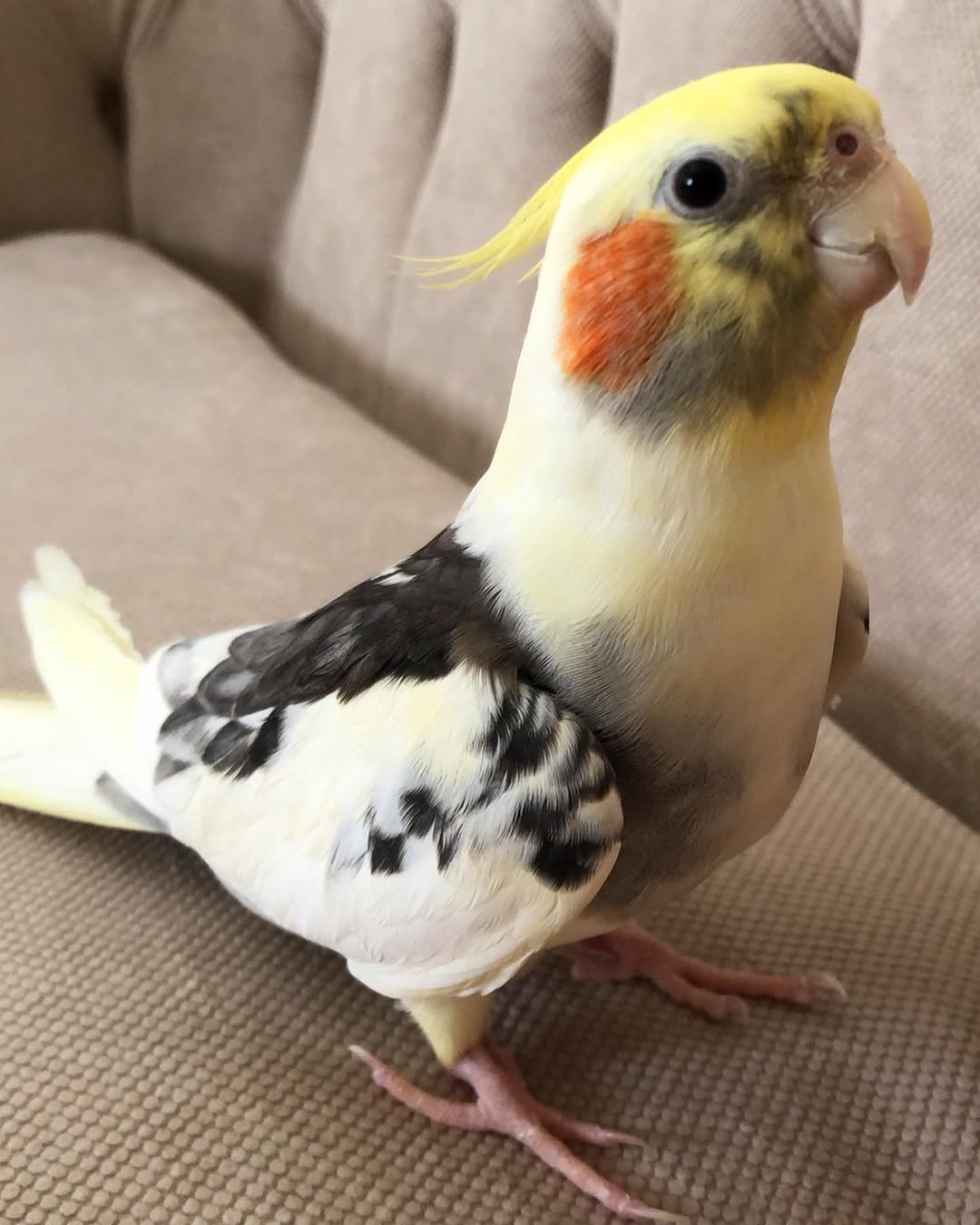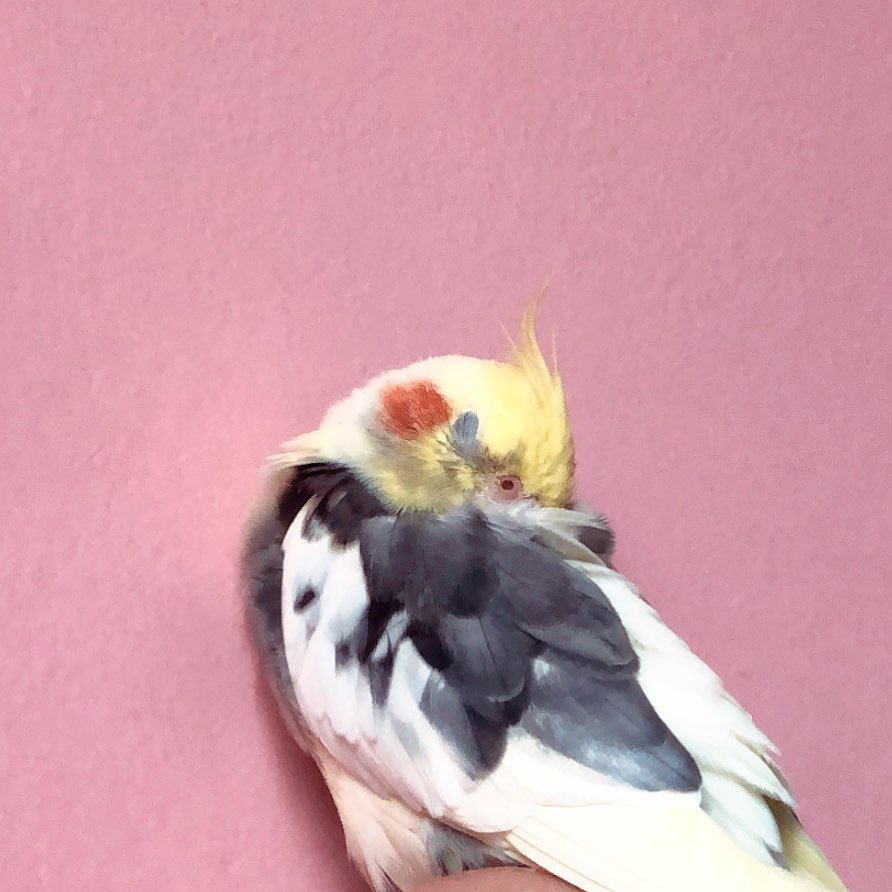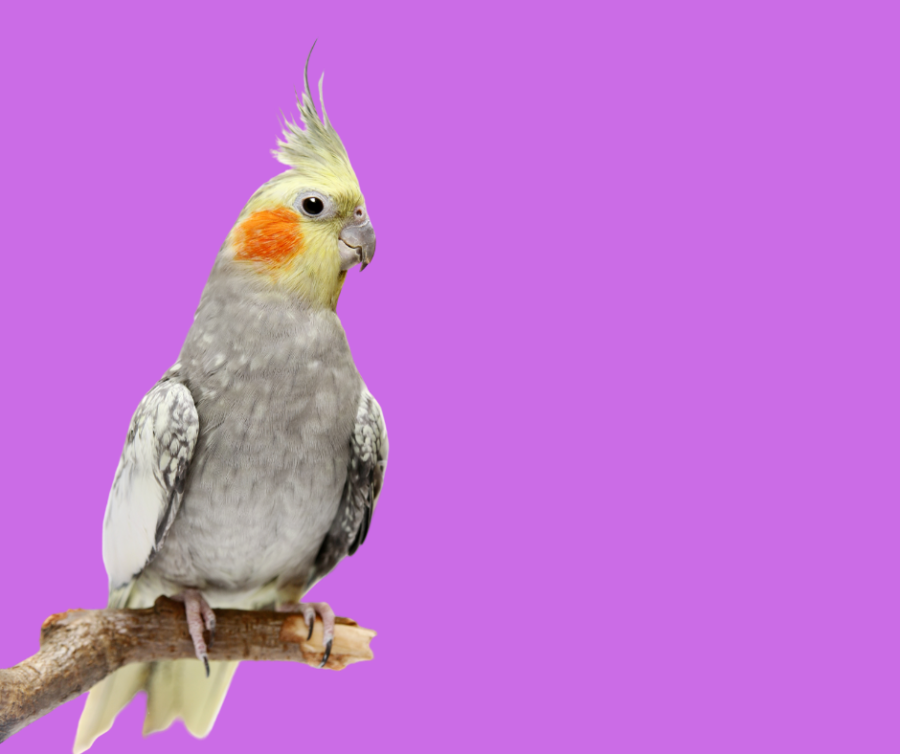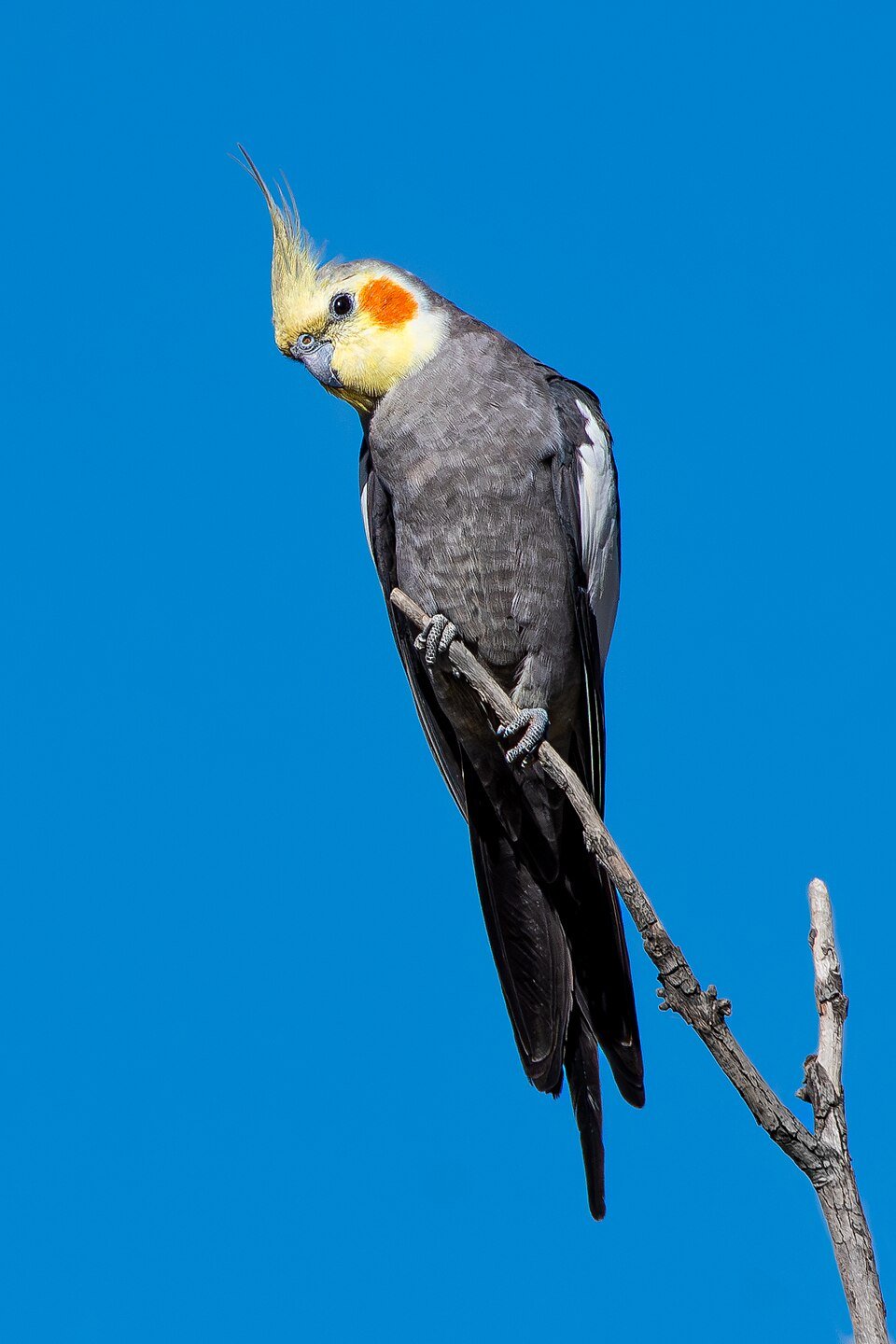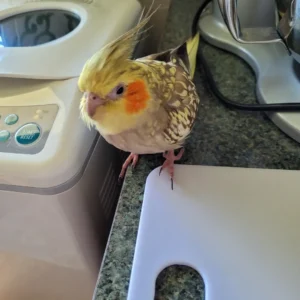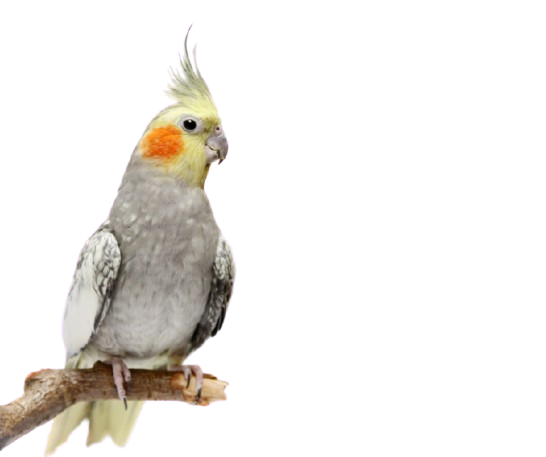





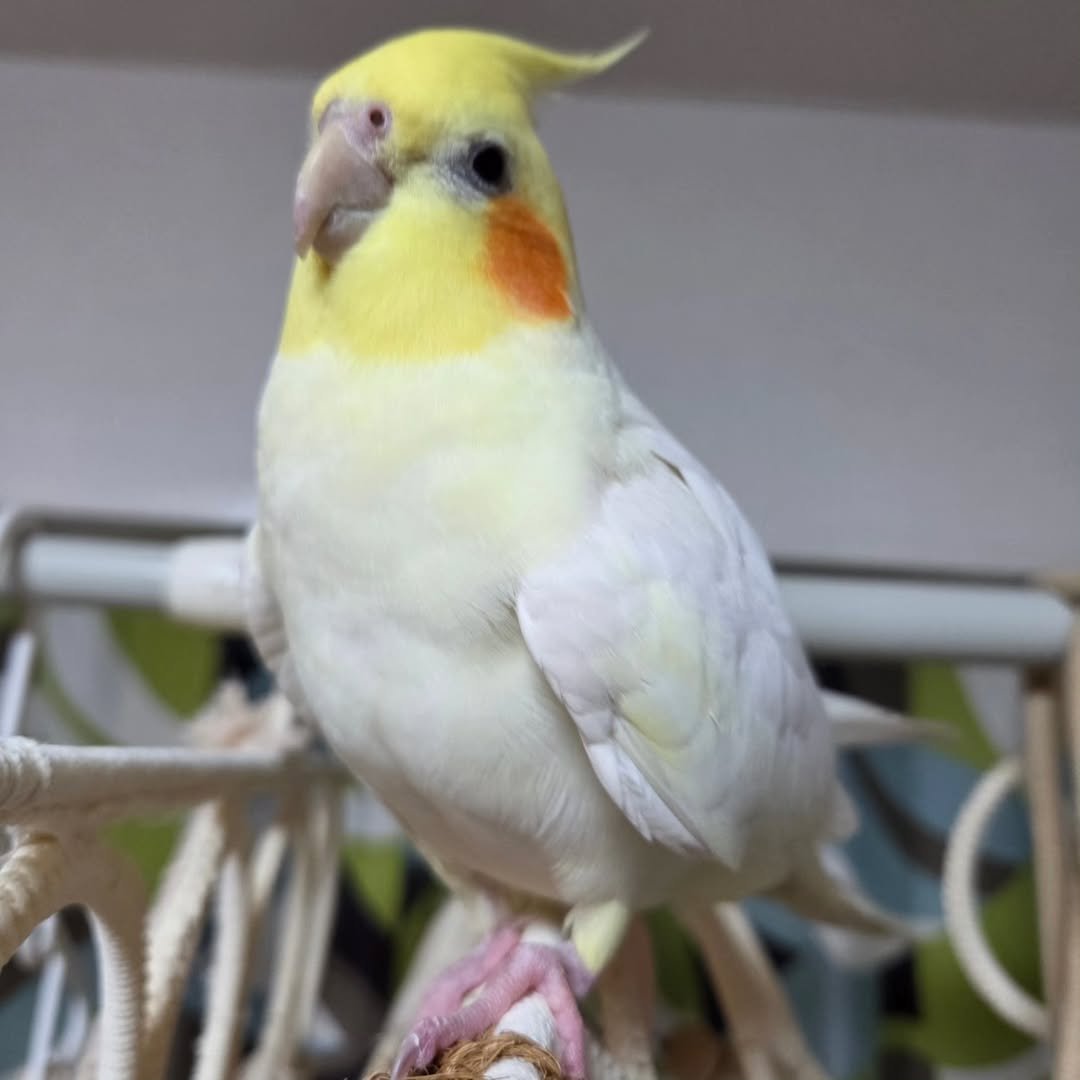








Cockatiels are affectionate, intelligent, and social birds that thrive with proper care. Their well-being depends on balanced nutrition, a safe environment, mental stimulation, good hygiene, and strong bonds with their families. Here’s a complete guide to cockatiel care for a happy, healthy life.
1. Nutrition and Diet for Cockatiels
A balanced diet is the foundation of your cockatiel’s health.
- Pellets: Form the base of the diet (about 60–70%) to provide complete nutrition.
- Fresh Fruits & Vegetables: Offer a variety of bird-safe produce rich in vitamins. Avoid avocado, chocolate, caffeine, and salty foods.
- Seeds: Best given in moderation as treats rather than the main diet.
- Fresh Water: Provide clean water daily and change it regularly.
2. Housing and Environment
Cockatiels need a comfortable, safe space to move and explore.
- Cage Size: Choose a spacious cage that allows wing stretching and climbing.
- Perches: Provide natural wood and varied perch types to support foot health.
- Safe Placement: Keep the cage away from drafts, direct heat, smoke, fumes, and toxic plants.
3. Hygiene and Grooming
Maintaining hygiene helps your cockatiel stay comfortable and prevents health issues.
- Bathing: Offer regular misting or shallow baths to keep feathers clean.
- Beak & Nails: Monitor growth and trim when needed with professional help if necessary.
- Cage Cleaning: Remove droppings daily and perform regular deep cleaning to reduce bacteria buildup.
4. Socialization and Mental Stimulation
Cockatiels are social birds that need interaction and enrichment.
- Daily Interaction: Spend time talking, playing, and bonding with your cockatiel every day.
- Toys & Enrichment: Provide chew toys, swings, foraging activities, and rotation of toys to prevent boredom.
- Training: Teach simple behaviors and tricks to keep your cockatiel mentally active.
5. Health and Veterinary Care
Routine veterinary care helps detect issues early.
- Regular Checkups: Schedule periodic visits with an avian professional.
- Observation: Watch for changes in appetite, droppings, energy levels, or behavior.
- Warning Signs: Lethargy, breathing changes, loss of appetite, or feather issues should be addressed promptly.
Final Thoughts
Caring for a cockatiel requires consistency and attention, but the reward is a loyal, playful companion that brings daily joy. With proper nutrition, enrichment, hygiene, and regular health care, your cockatiel can thrive physically, mentally, and emotionally.
Want personalized cockatiel care advice? Contact THE COCKATIELS FOR SALE HOME — we’re here to guide you through every step of raising a happy, healthy cockatiel.