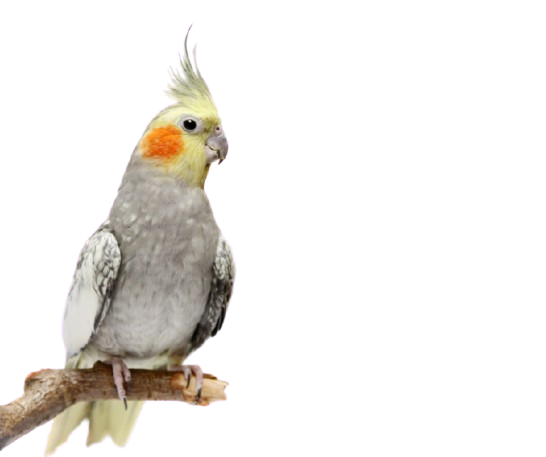
Are Cockatiels Easy to Train?
The honest answer is that cockatiels are very capable learners, but “easy” depends on your patience, consistency, and ability to read their body language. At THE COCKATIELS FOR SALE HOME, we often explain that training a cockatiel is less about control and more about communication, trust, and positive interaction.
Because cockatiels are social birds that bond closely with their owners, they can learn basic behaviors, fun tricks, and even simple routines. However, they are sensitive to tone and environment — frustration or inconsistency can slow progress. With positive reinforcement and a predictable schedule, most cockatiels become confident, enthusiastic learners.
Key Takeaways
Intelligence Factor:
Cockatiels are smart and curious, making them very receptive to learning routines and tricks.
Positive Reinforcement:
They respond best to rewards such as millet, praise, and playtime — punishment damages trust.
Body Language Awareness:
Understanding signs of stress or excitement helps keep training positive and effective.
Short Sessions:
5–10 minutes once or twice a day works best due to their shorter attention span.
Consistency Matters:
Using the same cues and routines prevents confusion and builds confidence.
The Mindset Behind Cockatiel Training
From experience at THE COCKATIELS FOR SALE HOME, training success usually comes down to trust. You can’t force a cockatiel — you guide them. When training feels like a game, learning happens naturally.
A shy cockatiel that refuses to step up often improves quickly with gentle target training and small rewards. The method — patience, repetition, and positive experiences — makes the biggest difference.
Cockatiels are always learning from interactions. If rewards are clear and boundaries are consistent, they become eager students.
The Three Pillars of Cockatiel Training
1. Step-Up Training
This is the foundation of handling and safety. Use a gentle cue and clear verbal command while rewarding success.
2. Target Training
Using a small stick or finger target helps guide movement without pressure. It builds confidence, especially for nervous birds.
3. Recall Training
Teaching your cockatiel to come when called strengthens trust and improves safety during out-of-cage time.
Why Some Owners Struggle
Training challenges often happen when subtle signals are missed.
- Crest raised high: excitement or overstimulation
- Leaning away: hesitation or discomfort
- Hissing or backing off: a clear “not now” signal
Respecting these cues prevents fear and builds long-term trust. Calm, slow movements help cockatiels feel safe and ready to learn.
Cockatiel Learning Styles
Different cockatiels have different personalities:
- Outgoing cockatiels: learn quickly and enjoy tricks
- Shy cockatiels: need slower trust-building before training
- Young birds: adapt faster to routines
- Older birds: can learn well but may require more patience
Choosing training methods that match personality leads to better results.
Your First Week of Training (Simple Guide)
- Find a favorite reward (often millet spray)
- Choose a consistent training spot away from the cage
- Use a clicker or clear praise word
- Keep sessions short and positive
- End training after a success so your bird stays motivated
Conclusion
So, are cockatiels easy to train? They are as easy as your approach. With patience, consistency, and positive reinforcement, cockatiels can learn a wide range of behaviors and develop a strong bond with their owners.
At THE COCKATIELS FOR SALE HOME, we believe training is how relationships grow. It builds trust, confidence, and communication between you and your bird — creating a happier life for both of you.
👉 Need help getting started with cockatiel training? Contact THE COCKATIELS FOR SALE HOME for beginner tips, step-by-step guidance, and ongoing support.
Frequently Asked Questions
Can you train a cockatiel to stop screaming?

Cockatiels are naturally vocal, but you can reduce excessive noise by rewarding quiet behavior and avoiding attention during demand calling. Consistency is key training the human routine matters just as much as training the bird.