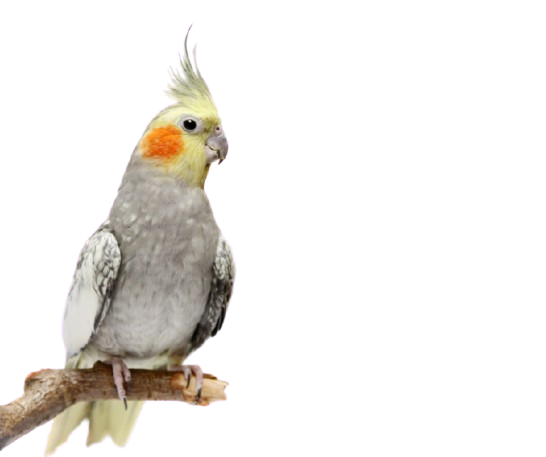
Can Cockatiels Be Left Alone During the Day?
When people visit THE COCKATIELS FOR SALE HOME, they often ask, “Can cockatiels be left alone during the day?” The answer is a qualified yes, but it comes with important caveats. Cockatiels are social flock birds—they thrive on interaction—but with proper enrichment and a structured routine, they can adapt to a standard workday while you’re away.
Cockatiels are smaller and less demanding than macaws, but they are still highly intelligent. Leaving them alone in a small, bare cage without stimulation can quickly lead to boredom, stress, and unwanted behaviors like excessive screaming, feather plucking, or obsessive chewing.
Key Takeaways
- Daily Alone Time: Most cockatiels can manage 6–8 hours alone with the right setup; anything longer may require additional strategies.
- Enrichment is Essential: Toys, foraging activities, and perches help prevent boredom-induced behaviors.
- Routine Interaction: Morning and evening “flock time” is crucial for bonding and mental stimulation.
- Visual & Auditory Stimulation: A window view, bird-safe mirrors, or gentle background music can help them feel less lonely.
- Species Temperament: Normal Grey cockatiels are generally adaptable, while Lutinos and Pearls may require more reassurance.
Can Cockatiels Be Alone? The Social Reality
At THE COCKATIELS FOR SALE HOME, we emphasize that cockatiels are lifestyle birds, not decorative ornaments. When you ask, “Can cockatiels be left alone during the day?”, you’re really asking if they’ll remain happy while you’re at work.
Cockatiels are surprisingly resilient, but they remember routines. A properly prepared environment keeps them occupied, but they still need social reinforcement. I always advise owners to make departures calm and arrivals engaging. Low-key goodbyes and interactive greetings prevent separation anxiety.
The Risks of Loneliness
Leaving a cockatiel bored or unstimulated can lead to:
- Feather Destruction: Over-preening or feather plucking can start as a coping mechanism.
- Excessive Vocalization: A stressed cockatiel may whistle loudly or call for attention repeatedly.
- Household Mischief: If out of the cage, they may chew cords, furniture, or other tempting items.
Even though they’re small, cockatiels are intelligent and curious—they need a purposeful day.
Setting Up a Cockatiel for a Workday
You can make alone time manageable by enriching their environment:
- Foraging Toys: Hide millet sprays or treats in paper tubes, small boxes, or acrylic foraging toys to occupy 1–3 hours.
- Perches & Climbing: Multiple perches at different heights encourage movement and exercise.
- Audio/Visual Stimulation: Gentle music, bird-safe mirrors, or nature sounds can make them feel like part of a flock.
- Safe Cage Space: Ensure the cage is spacious enough for flapping, climbing, and stretching wings.
Species & Temperament Tips
- Normal Grey Cockatiels: Adaptable and independent enough for a standard 8-hour workday.
- Lutino / Albino: More sensitive; require extra attention before and after alone time.
- Pearl / Pied: Playful but may become bored faster; rotate toys frequently.
Suggested Daily Routine for Working Owners
- 7:00 AM: Morning feeding and 15–20 minutes of interaction or gentle training.
- 8:30 AM: Place foraging toys and fresh water before leaving.
- 5:30 PM: Evening flock time—out-of-cage play, gentle whistling, or interactive games for 1–2 hours.
- 8:30 PM: Quiet time for sleep; cockatiels need 10–12 hours of darkness to stay healthy.
Conclusion
So, can cockatiels be left alone during the day? Yes, with preparation and care. They require a stimulating environment while you’re gone and consistent social interaction when you return. With the right setup, a cockatiel can happily live in a household with working owners, proving that even small parrots benefit from a structured, interactive lifestyle.
FAQ
Should I get two cockatiels so they aren’t lonely?

Companionship can help, but it’s not a substitute for interaction with you. Two birds may bond to each other more than to you, creating challenges with taming or social behavior. It’s often best to start with one and see how your routine works before considering a second.