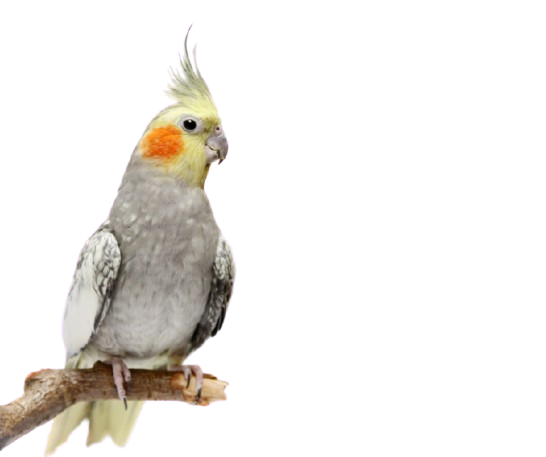
Can Cockatiels Eat Fruits and Vegetables?
When people at THE COCKATIELS FOR SALE HOME ask, “Can cockatiels eat fruits and vegetables?”, the answer is a resounding yes—but with proper planning. Fresh produce is essential for these small parrots, providing vitamins, antioxidants, and hydration that pellets alone can’t supply.
For a cockatiel, fresh fruits and vegetables should make up about 20–30% of the total daily intake, with a focus on leafy greens and colorful vegetables to prevent deficiencies. Fruits are a treat, not the main meal, and sugar content should always be monitored.
Key Takeaways
- Essential Nutrients: Vegetables supply beta-carotene, Vitamin A, and other antioxidants critical for eye, skin, and immune health.
- Fruit Moderation: Offer sweet fruits like berries or melon sparingly, mainly as treats or training rewards.
- Toxic Produce: Avoid avocado, onions, garlic, and pits or seeds from fruits like apples, cherries, and peaches.
- Hydration: Fresh produce adds moisture to their diet, which is especially important for birds that drink little water.
- Foraging & Enrichment: Whole vegetables like broccoli florets or carrot sticks encourage natural chewing and mental stimulation.
The “Chop” Philosophy for Cockatiels
At THE COCKATIELS FOR SALE HOME, we prepare what we call a “cockatiel chop”—a finely diced mix of veggies, fruits, and grains. This makes eating fun and encourages variety. Cockatiels often ignore large chunks of food, but finely diced pieces allow them to nibble a little of everything, maximizing nutrient intake.
Chop Ideas:
- Leafy Greens: Kale, spinach, romaine, parsley.
- Vegetables: Bell peppers (all colors), carrots, zucchini, broccoli, cauliflower.
- Fruits (in moderation): Blueberries, raspberries, melon, apple slices (without seeds), small amounts of banana.
Best Vegetables for Cockatiel Health
- Orange Veggies: Carrots and pumpkin—high in beta-carotene for eye and feather health.
- Green Veggies: Kale, spinach, dandelion greens—dense in vitamins and minerals. Avoid iceberg lettuce (mostly water, low nutrition).
- Fun Textures: Broccoli and cauliflower encourage chewing and foraging.
- Bell Peppers: All colors are safe; small pieces make great nibbling treats.
Fruit: The Sweet Treat
Cockatiels enjoy fruit, but it should not be the majority of their diet:
- Safe Favorites: Blueberries, raspberries, melon, apple slices, pear slices.
- Use Sparingly: Banana or grapes can be given occasionally; too much sugar can lead to hyperactivity or weight gain.
- Caution: Citrus is fine in small amounts, but avoid pits from cherries, peaches, and plums—they contain cyanide.
Prep & Serving Tips
- Wash Thoroughly: Even organic produce should be cleaned to remove pesticides or bacteria.
- Raw vs. Cooked: Most vegetables are best raw; hard veggies like carrots can be lightly steamed.
- Freshness Rule: Remove leftover produce after 2–3 hours to prevent spoilage.
- Variety is Key: Rotate colors and types every few days to prevent boredom and ensure a balanced diet.
Sample Daily Feeding Guide
- Morning: Small chop of fresh vegetables and tiny fruit pieces.
- Midday: Pellets available for grazing.
- Afternoon: Foraging treats like millet sprays or a tiny piece of fruit.
- Evening: Optional fresh veggie snack before bedtime.
Conclusion
So, can cockatiels eat fruits and vegetables? Absolutely. Fresh produce provides essential nutrients, hydration, and mental stimulation. A diet that balances pellets, vegetables, and occasional fruit keeps cockatiels healthy, vibrant, and active. At THE COCKATIELS FOR SALE HOME, we emphasize variety and color in every meal—your bird will be healthier, happier, and more engaged for years to come.
FAQ
Can cockatiels eat frozen or canned fruits and vegetables?

Frozen: Yes, frozen vegetables and fruits are a good second choice if fresh isn’t available. Thaw to room temperature first.
Canned: No. Canned products usually contain salt or syrup, which is harmful to cockatiels. Stick to fresh or frozen.