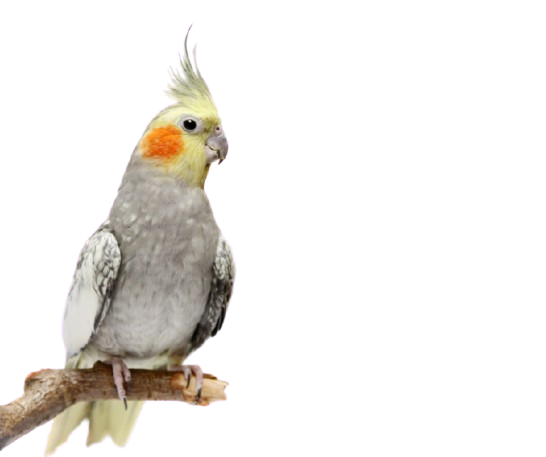
Cockatiel breeders in Alaska
Finding Cockatiel breeders in Alaska is a unique challenge because the sub-arctic climate and geographical isolation mean there are fewer professional aviaries than on the mainland. Most residents find their whistling companions through private hobbyists in the Anchorage, Fairbanks, and Mat-Su Valley areas or through the state’s robust avian rescue network.
Working with local sources is particularly important in Alaska to avoid the extreme stress (and high cost) of flying a bird in from the Lower 48, which often involves specialized heated cargo and strict agricultural permits.
Key Takeaways
- Anchorage is the Central Hub: Most avian resources, including the Alaska Bird Club, are based in Anchorage, though hobbyist breeders can be found as far north as Fairbanks.
- Adoption Over Breeding: Due to the small number of commercial breeders, many Alaskans find cockatiels through the Alaska Bird Club’s Adopt-A-Bird program.
- Humidity & Light Management: Alaska’s dry winter air and extreme light cycles (24-hour sun vs. winter darkness) require specific cage setups to keep a cockatiel’s hormones and respiratory system balanced.
- Logistics: Shipping a bird to Alaska requires an import permit from the Department of Agriculture; local birds are much easier to “transactionally” manage.
Top Cockatiel Sources and Breeders in Alaska
Because professional aviaries change frequently in the Far North, your best bet is to contact these established organizations and private breeders:
1. The Alaska Bird Club (Anchorage)
While not a breeder themselves, The Alaska Bird Club is the heartbeat of the avian community in the state. They maintain a list of local hobbyist breeders and run the most active adoption program in the region.
- Why it’s great: You can meet breeders at their monthly educational meetings at Serendipity Adult Day Services in Anchorage.
- Current Status (2026): They frequently have cockatiels (sometimes even bonded pairs) looking for new “foster-to-adopt” homes.
2. Arctic Angels Aviary (Wasilla)
Located in the Mat-Su Valley, this is a well-known name for hand-raised smaller parrots. They focus on socialization and ensuring birds are weaned onto a healthy pellet-and-fresh-veg diet rather than just seeds.
3. Alaska Parrots / Angelina’s Nest (Anchorage & Juneau)
These outlets have long-standing reputations for connecting Alaskans with hand-fed babies. They emphasize “Alaska-hardy” birds that are used to indoor life in our climate.
4. Anne’s Aviary (Fairbanks)
For those in the Interior, Anne has historically been a source for hand-raised birds. Fairbanks breeders are rare, so if you are in the North, this is a vital local connection to avoid the drive to Anchorage.
Guide to Caring for a Cockatiel in the Alaska Climate
Raising a bird in Alaska isn’t like raising one in Florida. THE COCKATIELS FOR SALE HOME recommends these specific “Great Land” care tips:
- The Winter Dryness: Our indoor heating during the winter (especially wood stoves or baseboard heat) can drop humidity to 5%. Cockatiels need at least 40% humidity for their skin and lungs. Use a humidifier in the bird room 24/7 during the winter months.
- Darkness & Light: Alaska’s light cycles can wreak havoc on a bird’s hormones. In the summer, use “blackout” curtains to ensure your bird gets 10–12 hours of sleep. In the winter, use a full-spectrum avian lamp to help them synthesize Vitamin D3 during the dark months.
- Safe Heating: Never use space heaters with Teflon/PTFE coatings (common in many portable heaters), as the fumes are instantly fatal to birds.
Choosing a Healthy Bird from an Alaska Breeder
Since the pool of Cockatiel breeders in Alaska is small, you must be a savvy buyer. Use this checklist:
- Check the “Hatch Date”: Ask for the bird’s records. A reputable breeder will know exactly when the bird was hatched and when it was fully weaned.
- Inspect the Feathers: A healthy bird should have smooth, vibrant feathers. “Stress bars” (horizontal lines on the feathers) can indicate poor nutrition during growth.
- The Step-Up Test: Ask to handle the bird. In Alaska, where birds spend a lot of time indoors with their humans, a well-socialized “step-up” is a sign of a great breeder.
- Ask About the Diet: Ensure the breeder has introduced the bird to “chop” (fresh greens). If they only eat seeds, they will have a shorter lifespan in our harsh climate.
Conclusion
+1
Finding the right Cockatiel breeders in Alaska takes a bit of “talking story” with the local bird community, but the reward is a companion that will brighten even the darkest winter days. Whether you adopt from the Alaska Bird Club or find a baby from a hobbyist in Wasilla, your new friend will be a member of your ohana for the next two decades.
At THE COCKATIELS FOR SALE HOME, we believe that the unique bond formed in our rugged environment is what makes owning a bird in Alaska so special.