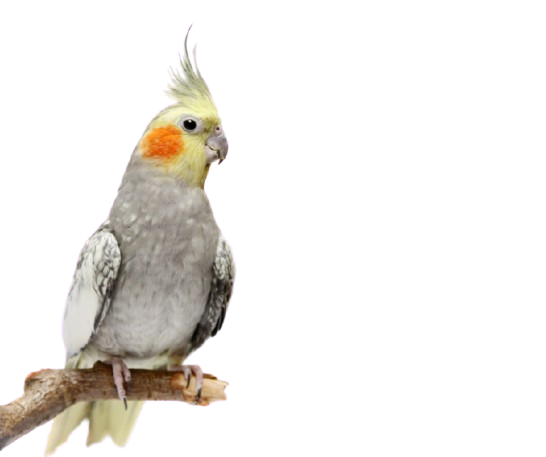
Cockatiel breeders in Delaware
Cockatiel breeders in Delaware
Finding specialized Cockatiel breeders in Delaware requires a bit of local insight, as the small size of the First State means you often rely on long-standing gems like M & D Bird Farm in Harbeson or private aviaries in the Milton area to find a bird that has been truly hand-raised and socialized. While larger pet stores exist in Wilmington and Dover, a dedicated local breeder ensures that your feathered companion is already acclimated to the East
Coast climate and household rhythms. This guide will help you navigate the top sources for cockatiels in Delaware, explain how to manage their health during our humid summers and chilly winters, and show you how to choose a healthy bird from THE COCKATIELS FOR SALE HOME that will whistle its way into your heart for the next 20 years.
Key Takeaways
- Southern Delaware Hub: Sussex County is a hotspot for avian enthusiasts, with specialists in Harbeson and Milton leading the way.
- Hand-Raised Advantage: Local Delaware breeders prioritize hand-feeding, making their birds significantly tamer than mass-bred alternatives.
- Mutation Variety: From classic Greys to striking Lutinos and Whitefaces, Delaware breeders offer a surprising range of color genetics.
- Community Connection: Groups like the Sussex Bird Club are invaluable resources for finding private hobbyist breeders who don’t always advertise online.
Why Choosing Local Cockatiel Breeders in Delaware Matters
When you’re ready to add a cockatiel to your family, the “transactional” part of the process is more than just a price tag; it’s about the bird’s upbringing. As Michael Anderson, I’ve found that Cockatiel breeders in Delaware offer a level of care you simply won’t find at a national chain.
In a tight-knit state like Delaware, a breeder’s reputation is everything. A bird raised in a quiet home in Lewes or Newark is going to be used to the sounds of a normal household—the TV, the vacuum, and the family dog. This early exposure prevents “new bird panic” and helps your pet bond with you much faster.
I think the biggest plus of staying local is the ability to visit the aviary. You get to see the parent birds, check the cleanliness of the cages, and ensure the chicks are being fed a diverse diet of pellets and fresh vegetables. Plus, local breeders understand Delaware’s unique “shore weather”—the high humidity in the summer and the dry, indoor heat in the winter—and can give you specific advice on how to keep your bird healthy through the seasons.
Listicle: Top Cockatiel Breeders and Sources in Delaware
If you are currently hunting for Cockatiel breeders in Delaware, here are the most respected names and locations to begin your search:
1. M & D Bird Farm (Harbeson)
Located on the Lewes Georgetown Highway, M & D Bird Farm is a cornerstone of the Delaware bird community. Founded in 2002 by Terri Sherwood, this farm started specifically with cockatiels. They are famous for their “hand-fed, well-socialized” babies. What I love about them is that they provide a full-service experience—grooming, boarding, and a wide selection of cages and toys. If you want a bird that has been handled daily by experts, this is the place.+1
2. TM Aviaries (Milton)
Tucked away in Milton, TM Aviaries is a fantastic resource for various bird species, including cockatiels, parrotlets, and lovebirds. They are part of a wider network of breeders in the Mid-Atlantic region. Because they are a smaller, focused operation, their birds often get a lot of individual attention. It’s always best to call ahead or check their current listings, as their hand-fed babies tend to go fast!
3. Farmer Girl Exotic Gardens (Rehoboth Beach)
While primarily known for their stunning gardens and statues, Farmer Girl has a dedicated pet shop with a “regional reputation” for exotic birds. They often have chatty parrots like African Greys and Amazons, but they frequently source high-quality cockatiels for local families. It’s a great spot to “talk story” with other bird owners and see the birds in a vibrant, healthy environment.
4. Sussex Bird Club (Sussex County)
Though not a breeder themselves, the Sussex Bird Club is where all the local Cockatiel breeders in Delaware hang out. If you are looking for a very specific mutation, like an Albino or a heavy Pied, attending one of their meetings at the Lewes Public Library is the best way to get a direct referral to a hobbyist breeder who might not have a public shop.
Guide to Cockatiel Species and Mutations in Delaware
When you visit Cockatiel breeders in Delaware, you’ll realize that the “classic” grey bird is just the beginning. Breeders in our state have been perfecting some truly beautiful color mutations.
| Mutation | Visual Traits | Commonality |
| Normal Grey | Yellow face, orange cheeks, and grey body. | Very Common |
| Lutino | All yellow/white with red eyes. | Common |
| Whiteface | Lacks all orange and yellow; looks like a “ghost” bird. | Moderately Common |
| Pied | Splotched patterns of yellow and grey. | Very Popular |
| Cinnamon | Warm, brownish-tan feathers instead of grey. | Common |
I think the “Whiteface Pied” is particularly striking—it looks like a little tuxedo bird. However, THE COCKATIELS FOR SALE HOME always recommends choosing a bird based on its personality. A “Normal Grey” that steps up onto your finger immediately is worth more than a rare mutation that is terrified of humans!
Caring for Your Bird in the Delaware Climate
Delaware’s climate can be tricky for tropical birds. We have that heavy Mid-Atlantic humidity in July and bone-dry air once the heater kicks on in December.
Managing the Dry Winter Air
When the winter wind blows off the Delaware Bay and your furnace is running, the humidity in your house can drop to 10%. This is tough on a bird’s respiratory system. I always tell Delaware owners to use a humidifier in the bird room. If your cockatiel is sneezing more than usual or its skin looks flaky, it’s likely too dry. A simple spray bottle misting (lukewarm water) twice a week also does wonders for their feathers.
Avoiding Summer Fumes
In the summer, many of us use bug sprays or “citronella” candles on our decks. Be very careful—cockatiels have extremely sensitive lungs. If you have your windows open to catch a breeze in Milford or Smyrna, make sure no one is using heavy chemicals nearby. At THE COCKATIELS FOR SALE HOME, we’ve seen how even “safe” air fresheners can be dangerous in small Delaware homes.
User Guide: How to Buy Safely from a Breeder
Before you finalize your purchase from any Cockatiel breeders in Delaware, use this checklist to ensure you’re getting a healthy pet:
- Check the “Vent”: The area under the tail should be clean and dry. Poop stuck to feathers is a sign of digestive distress.
- Look for “Black Beads”: The eyes should be clear, shiny, and free of any discharge.
- The Step-Up Test: Ask the breeder to show you the bird stepping onto a finger. If the bird screams or bites aggressively, it hasn’t been socialized enough.
- Ask About the Diet: If a breeder only feeds seeds, you’ll have a hard time transitioning the bird to healthy pellets later. Look for breeders who introduce “chop” (fresh veggies) early on.
I think the best sign of a good breeder is someone who asks you as many questions as you ask them. They should want to know that their baby is going to a safe home with a big enough cage.
Conclusion
Finding the right Cockatiel breeders in Delaware is the first step in a 20-year friendship. Whether you visit the team at M & D Bird Farm or connect with a hobbyist through the Sussex Bird Club, staying local ensures you get a bird that is healthy, socialized, and ready for our East Coast lifestyle. At THE COCKATIELS FOR SALE HOME, we believe that these whistling, crested companions are the perfect addition to any Delaware household, from the busy streets of Wilmington to the quiet beaches of Fenwick Island.
Take your time with the search, set up a large cage with natural wood perches, and get ready for the joy of a bird that truly wants to be your best friend. Your perfect Delaware cockatiel is out there—you just have to know where to look!
Frequently Asked Questions
What is the average price for a hand-fed cockatiel in Delaware?
In 2026, the price for a hand-fed, weaned baby from reputable Cockatiel breeders in Delaware typically ranges from $200 to $400. Standard Greys and Cinnamons are usually on the lower end ($200–$250), while mutations like Whiteface, Lutino, or DNA-sexed birds (where you know for sure if it’s a boy or girl) can reach $350 or $400. While this is higher than a “big box” store price, it accounts for the weeks of hand-feeding and socialization that make the bird a much better pet.