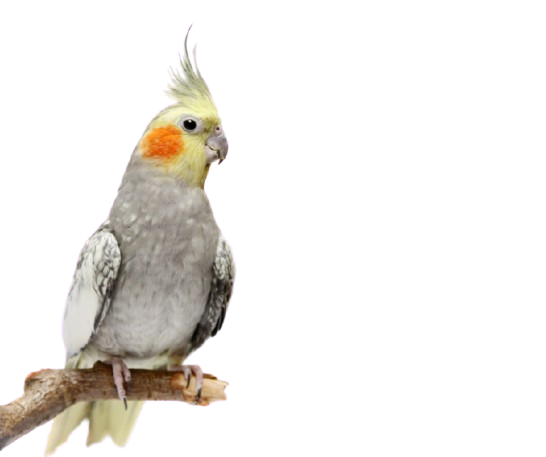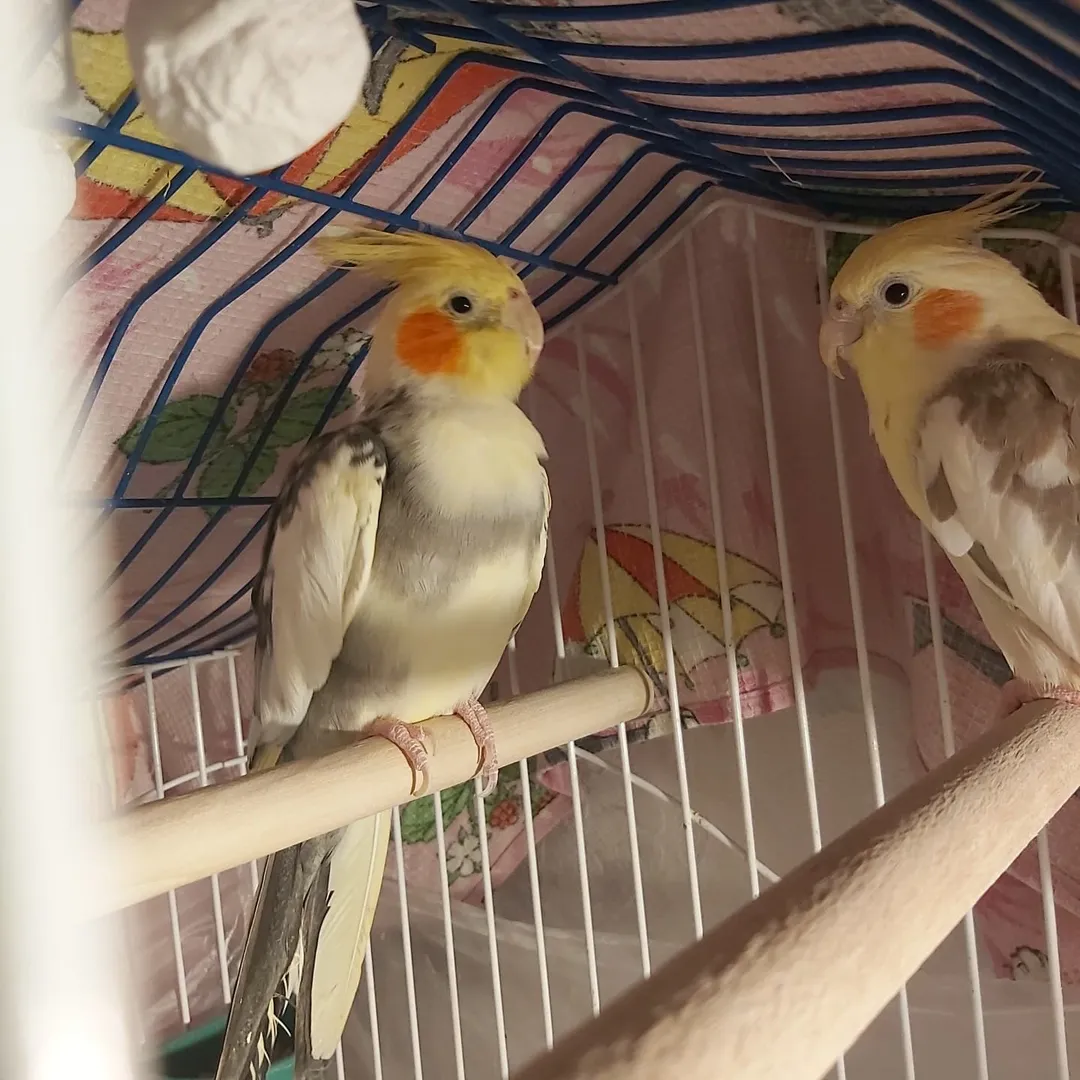
Cockatiel breeders in France
If you are on the hunt for Cockatiel breeders in France, this guide is your essential roadmap to navigating the French aviculture scene, from finding reputable “éleveurs” in regions like Occitanie or Île-de-France to understanding the specific health certifications required for a safe purchase. We are covering the crucial differences between pet-store birds and hand-reared “EAM” (Élevé à la Main) babies, typical French pricing for sought-after mutations like the Whiteface (Face Blanche), and the legal importance of the “Certificat de Cession.” By the time you finish reading, you’ll know exactly how to vet a French breeder, what clubs like the Club National des Éleveurs de Perruches Calopsittes (CNEPC) offer in terms of pedigree, and how to prepare your home for a bird that thrives in the varied French climate.
Key Takeaways
- Verified Sources: Prioritize breeders registered with the CNEPC or the Fédération Française d’Ornithologie (FFO) for health and ethical accountability.
- Legal Documentation: In France, a “Certificat de Cession” is a legal requirement for any bird sale, protecting both the buyer and the bird.
- Hand-Reared vs. Aviary: Understand the distinction between “EAM” (hand-reared) for pets and “EPP” (parent-reared) for aviary or breeding stock.
- Health Standards: Ensure your breeder provides a “certificat de bonne santé” (health certificate) and has screened for common avian viruses.
Navigating the World of Cockatiel Breeders in France
Finding a feathered companion in France is a journey that requires a bit of “savoir-faire.” I’ve spent years observing the European bird market, and France has one of the most passionate communities of hobbyists you’ll find. However, finding the right Cockatiel breeders in France isn’t always as simple as a quick search on Le Bon Coin. In fact, I often warn people that while classified sites are convenient, they are also where you find “backyard” breeders who might not prioritize the bird’s long-term health.
At THE COCKATIELS FOR SALE HOME, we always emphasize that a great breeder is like a mentor. My name is Michael Anderson, and I’ve seen that the best French breeders—the ones truly worth your time—will grill you on your cage size and your vet’s location before they even discuss the price. They are more interested in the “bien-être” (well-being) of the bird than a quick sale. Perhaps the most important thing to look for is a breeder who focuses on weaning. If a breeder offers you a bird that is still being syringe-fed, walk away. It’s a specialized task that shouldn’t be left to a novice owner.
The Ethics of French Aviculture
France has strict animal welfare laws, and reputable Cockatiel breeders in France take these seriously. You’ll notice that many top aviaries are members of the CNEPC. This club sets the standards for mutations and exhibition quality. Even if you aren’t looking for a “show bird,” buying from someone who follows these standards ensures you’re getting a bird with good genetics and a stable temperament. I think it’s also important to remember that in France, there is a strong preference for “EAM” birds for those who want a cuddly pet, but don’t overlook “MAN” (Manipulés au Nid)—birds that are parent-raised but handled daily. They often make healthier, more stable companions.
Top Sources and Specialized Cockatiel Breeders in France
Finding a local expert can be a bit of a trek depending on which “département” you’re in. While France doesn’t have massive bird superstores, it has a network of very dedicated private breeders. Here is a breakdown of where to find the most trusted Cockatiel breeders in France.
1. Club National des Éleveurs de Perruches Calopsittes (CNEPC)
This is the ultimate resource. They hold annual championships and maintain a list of dedicated hobbyists across the country.
- Why it matters: Members follow a strict code of ethics and participate in regional shows.
- Locating them: Their official website and Facebook groups are the best ways to find breeders in your specific region, from Brittany to the French Riviera.
2. L’Oiseau Club d’Antibes (OCA) & Regional Clubs
Regional clubs are the backbone of French bird keeping. The OCA, along with clubs in Paris, Lyon, and Bordeaux, host “Bourses aux oiseaux” (bird exchanges).
- Expertise: These events are the best place to meet Cockatiel breeders in France face-to-face.
- Buying Tip: You can see the bird’s condition, check their plumage, and talk directly to the person who raised them.
3. Specialized Aviaries (L’Élevage des Plumes d’Azur, etc.)
There are professional-level private aviaries, often located in the southern regions where the climate is more forgiving.
- Specialty: They often focus on “mutations rares” like the Dominant Silver or the Fallow.
- Reputation: These breeders usually provide a “vogelpaspoort” or equivalent health documentation.
4. Animaleries Spécialisées (High-End Pet Stores)
While I usually prefer private breeders, stores like Animalis or Truffaut sometimes source from local French hobbyists.
- Caution: Always ask for the breeder’s name and original “certificat.” If they can’t provide it, the bird might be an import, which can be more prone to stress and disease.
Understanding Mutations and Prices in the French Market
When you speak with Cockatiel breeders in France, you’ll hear terms like “Lutino,” “Face Blanche,” and “Ino.” The French market is very sophisticated when it comes to aesthetics. I’ve noticed that the “Face Blanche” (Whiteface) has become a status symbol of sorts in the Paris region—everyone loves that sleek, ghost-like charcoal look.
| Mutation (French Term) | Common English Name | Expected Price (€) |
| Gris Commun / Sauvage | Normal Grey | €40 – €60 |
| Lutino | Lutino (Yellow/Red eyes) | €60 – €85 |
| Face Blanche | Whiteface | €80 – €120 |
| Cinnamon (Cannelle) | Cinnamon | €70 – €90 |
| Albino | Albino (All white) | €100 – €150 |
I think it is worth noting that while the prices might seem higher for hand-reared (EAM) birds, you are paying for the hundreds of hours the breeder spent socialising that bird. A “sauvage” (untamed) bird from Cockatiel breeders in France will be cheaper, but if you want a bird that sits on your shoulder while you drink your morning “café,” the investment in an EAM bird is well worth it.
The Owner’s Guide: Preparing for a Cockatiel in France
Once you’ve selected your bird from the best Cockatiel breeders in France, you need to prep your “maison.” Living in France offers some unique advantages for bird owners, like access to incredible fresh produce and specialized avian vets.
Dealing with French Architecture
If you live in an old Haussmannian apartment in Paris or a “mas” in Provence, be mindful of drafts. These old buildings can be breezy. Cockatiels are hardy, but a sudden draft is their worst enemy. Place the cage against an internal wall, away from windows. Also, be careful with those classic French “poêles à bois” (wood stoves)—the smoke and fumes are extremely toxic to a bird’s delicate respiratory system.
Diet and the “French Touch”
We have access to some of the best grains and vegetables in Europe. Most Cockatiel breeders in France recommend a base of high-quality “mélange” (seeds) but supplemented with fresh greens from the local “marché.” I always suggest offering endives, zucchini, and the occasional piece of apple. Just remember to wash everything thoroughly; pesticides are a big no-no.
Social Life and the “Couple” Debate
In France, there is a growing ethical push toward keeping birds in pairs (en couple). Many Cockatiel breeders in France will actually discourage you from buying a single bird if you work in an office all day. If you can’t be there for 4-6 hours of social time, getting a pair is the kindest thing you can do. They’ll still love you, but they won’t pull their feathers out of boredom when you’re stuck in “bouchons” (traffic jams).
Why Choose THE COCKATIELS FOR SALE HOME?
At THE COCKATIELS FOR SALE HOME, we believe that every bird deserves a home that understands its soul. My name is Michael Anderson, and I’ve dedicated my career to making sure owners find the right match. We understand that finding Cockatiel breeders in France can be intimidating, especially with the language barrier or the nuances of regional regulations.
We vet our information against the highest standards of French and international aviculture. We aren’t just here to facilitate a sale; we’re here to build a community of educated owners. Whether you’re in the heart of Lyon or a quiet village in Normandy, our goal is to ensure your bird arrives healthy, happy, and ready to be part of your family. We stand by the “Savoir-Vivre” of bird keeping.
Conclusion: Starting Your French Avian Journey
Acquiring a bird from one of the many Cockatiel breeders in France is a rewarding step into a world of whistles and “câlins” (cuddles). France offers a rich culture of bird keeping, supported by clubs like the CNEPC and a legal framework that prioritizes animal safety.
Don’t rush the process. Take the time to visit the aviaries, check the “Certificat de Cession,” and ensure the bird is fully weaned. A cockatiel can be your companion for the next 20 to 25 years—making it a longer commitment than most cars! If you do it right, you’ll have a little friend who whistles the “Marseillaise” and greets you with a crest-flip every time you come home.
Frequently Asked Question
Q: What is the “Certificat de Cession” and why do I need it?

A: In France, the “Certificat de Cession” is a mandatory document that acts as a bill of sale. It includes the breeder’s details, the bird’s species name (Nymphicus hollandicus), its ring number (if applicable), and its mutation. Reputable Cockatiel breeders in France will always provide this. It is vital for two reasons: first, it proves the bird was legally acquired and not smuggled or taken from the wild; and second, it is required if you ever need to prove ownership for travel or if you need to rehome the bird later. Always keep this document in a safe place!