Cockatiel breeders in Massachusetts
Cockatiel breeders in Massachusetts offer a unique blend of small-scale hobbyist care and professional aviary expertise, providing bird lovers with socialized, hand-fed companions that are well-prepared for life in the Bay State. In this guide, we dive into the most trusted sources—from the dedicated members of the Birds of a Feather Avicultural Society to specialized spots like Eddie’s Aviary—while outlining the essential steps for vetting a breeder, managing the dry New England winters, and ensuring your new feathered friend has access to the best avian healthcare from Boston to the Berkshires.
Key Takeaways
- Primary Hubs: Central Massachusetts and the South Shore are home to some of the state’s most established hobbyist aviaries.
- Hand-Raised Quality: Local breeders emphasize early socialization and “step-up” training, which is vital for a friendly family pet.
- Climate Care: Massachusetts’ indoor heating in winter creates dangerously dry air; humidifiers are mandatory for cockatiel respiratory health.
- Rescue Options: Organizations like Northeast Avian Rescue (NEAR) provide a wonderful alternative for those looking to adopt socialized adult birds.
- Veterinary Access: Walpole, West Springfield, and Littleton host specialized avian clinics equipped for cockatiel-specific wellness exams.
Exploring the World of Cockatiel Breeders in Massachusetts
Finding Cockatiel breeders in Massachusetts is a bit of a localized adventure. I’ve found that the “bird scene” here isn’t like the big-box pet stores you see in every mall; it’s a community of passionate individuals who often raise their birds right in their own living rooms. When I talk to folks at The Cockatiels For Sale Home, I always tell them that a Massachusetts-raised bird has a certain “home-grown” advantage—they are used to the sounds of a busy household, the smell of Sunday morning pancakes (hopefully not on Teflon!), and the general rhythm of New England life.
One of the first places I recommend looking is the Birds of a Feather Avicultural Society (BOAF). They are a central pillar for anyone searching for Cockatiel breeders in Massachusetts. They maintain a directory of members who adhere to high standards of care. For example, Eddie’s Aviary in Central MA is a name that comes up frequently. They are a small, family-based operation that focuses on hand-raising tame companion birds, including cockatiels and English budgies. When a breeder is willing to put their name on a society directory, it usually means they are proud of their birds and aren’t afraid of a little peer review.
I think there’s a real benefit to buying from a local hobbyist. In a state with our kind of weather, these breeders understand the specific challenges of keeping a desert-origin bird healthy during a Nor’easter. They can give you firsthand advice on how to keep the cage warm and humid when the snow is piling up outside your window in Worcester or Lowell.
What to Demand from a Bay State Breeder
When you’re out there visiting aviaries or talking to breeders on the phone, you’ve got to be a bit of a detective.
- The “Socialization” Question: Ask the breeder how much time they spend “scritching” the babies. A hand-fed bird that hasn’t been socialized is just a bird that isn’t afraid of a syringe; you want a bird that isn’t afraid of you.
- Dietary Foundation: I always look for breeders who move away from an all-seed diet early on. If they’re feeding the babies fresh sprouts and high-quality pellets like Higgins or ZuPreem, you’re getting a bird with a much stronger immune system.
- Environment: Is the nursery clean? Do they use air purifiers? Cockatiels produce a lot of “powder down,” and in a closed-up Massachusetts house during winter, that dust can get thick. A breeder who manages the air quality is looking out for the birds’ lungs (and yours).
Popular Species and Mutations in Massachusetts
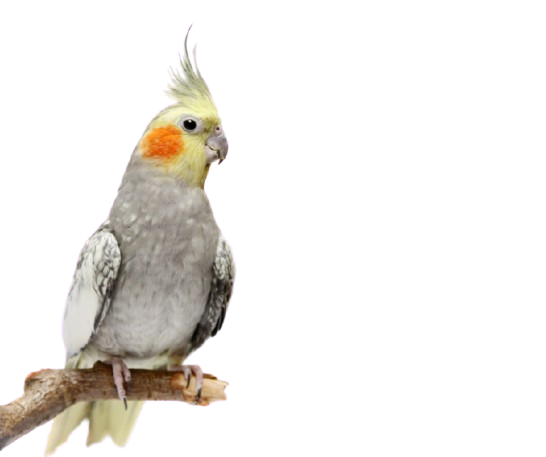
While the Normal Grey cockatiel is the classic “Aussie” look we all know and love, Massachusetts breeders have a real knack for some of the fancier mutations. I’ve noticed a high demand lately for:
- Whiteface Cockatiels: These birds lack the orange cheek patches and yellow coloring, giving them a stunning charcoal and white appearance. They look incredibly elegant in a well-lit living room.
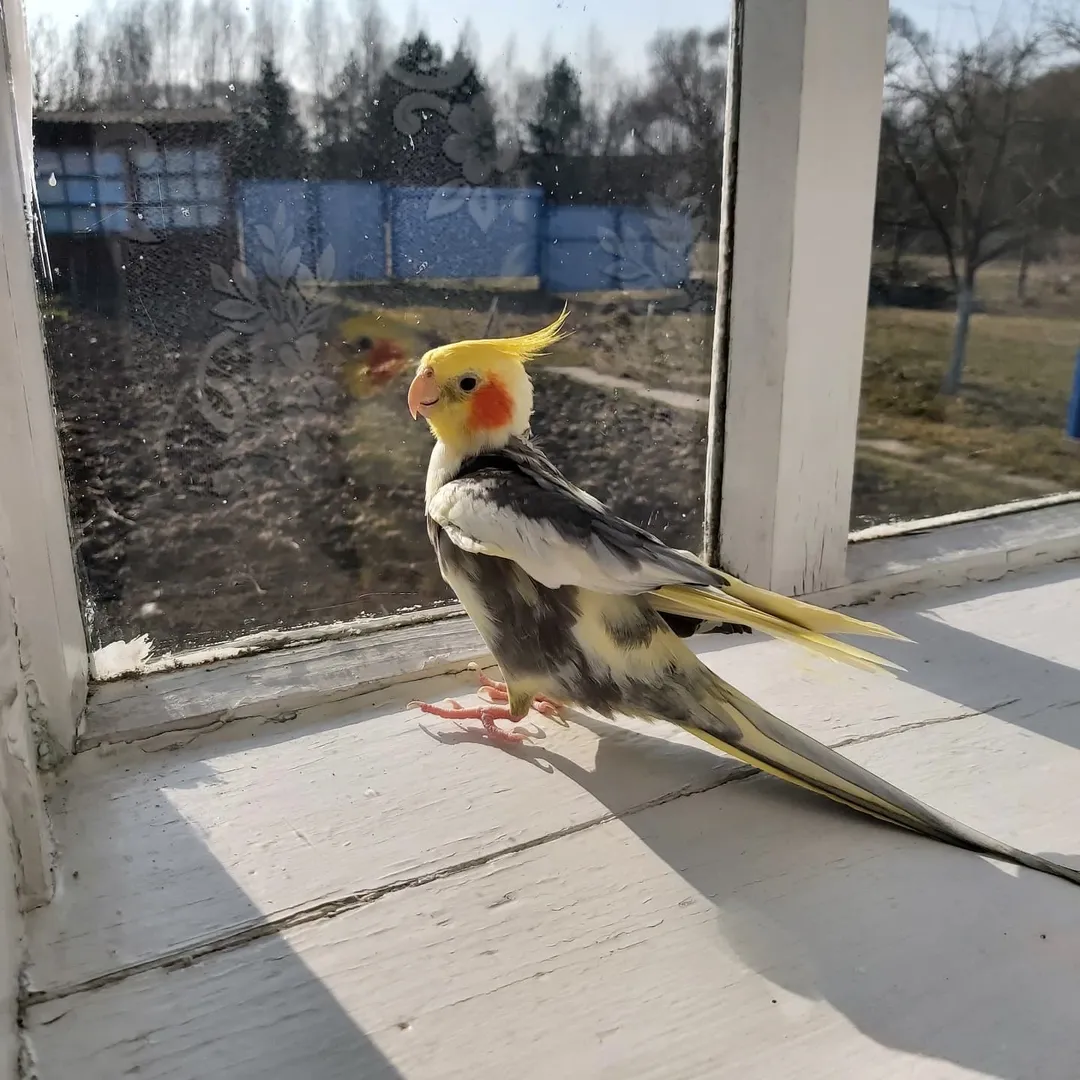
- Lutino Pearls: These are the “sunshine” birds—mostly yellow with beautiful pearling patterns on their wings. They are quite popular in the Boston suburbs.
- Pieds: Every Pied is a unique work of art with random splashes of grey and yellow. No two are exactly alike.
I personally have a soft spot for the Cinnamon mutation. The soft, brownish-grey is very soothing, and I’ve found that Cinnamons often have a very mellow temperament. But remember, as I always tell my readers, you can’t see the colors when the bird is tucked under your chin for a nap—personality is everything.
The Reality of Bird Ownership in New England
Living in Massachusetts presents some “seasonal” hurdles that you won’t find in Florida. I’ve been through enough winters here to know that our heating systems are the biggest enemy of a healthy cockatiel.
- Humidity is Key: Our furnaces blast dry air for six months of the year. Cockatiels are hardy, but dry air leads to “itchy” skin and can even cause them to start plucking their feathers out of frustration. I always recommend a dedicated humidifier for the bird’s room.
- Draft Safety: If you live in one of those beautiful, historic Victorian homes in Salem or Brookline, you probably have drafty windows. A sudden drop in temperature at 3:00 AM can be very hard on a small bird. Always place the cage against an interior wall.
- Winter Lighting: Our days get very short in December. To keep your bird’s hormones in check and ensure they get enough Vitamin D, a bird-safe full-spectrum light on a timer (12 hours on, 12 hours off) is a game-changer.
Essential Massachusetts Resources
- Northeast Avian Rescue (NEAR): A fantastic resource if you are looking to adopt. They do incredible work rehabilitating birds and finding them the perfect match.
- Holmes Family Veterinary Clinic (Walpole): They offer extensive services for companion birds and are highly respected in the community.
- Veterinary Emergency & Specialty Hospital (VESH) in West Springfield: If you ever have a “night fright” or an emergency, Dr. Adair and the team there are top-notch avian experts.
A Listicle of Top Sources for Cockatiels in Massachusetts
If you’re ready to start your search, here are the locations and organizations that have built a solid reputation among Cockatiel breeders in Massachusetts.
1. Eddie’s Aviary (Central MA)
A premier hobbyist aviary that specializes in hand-raising tame companions. They are known for their socialized cockatiels and provide a lot of guidance to new owners. Their website is a great place to check for current availability.
2. Birds of a Feather Avicultural Society (Hampton/Regional)
While they meet just over the border sometimes, they are the main networking hub for Massachusetts breeders. Attending their bird marts is the best way to see a wide variety of birds from different hobbyists in one day.
3. Tall Pines Aviary (Carver, MA)
A small-scale hobbyist in South Shore Massachusetts. While they often focus on ornamental outside birds, they are deeply connected to the local breeding community and can often point you in the right direction for hand-raised indoor pets.
4. Parrots & Company (Stamford, CT – Regional Source)
I know, I know—it’s in Connecticut. But for many people in Western Mass or near the border, this 8,000-square-foot store is a must-visit. They have a baby nursery and offer professional grooming and DNA sexing services.
5. Northeast Avian Rescue – NEAR (Regional)
They work across the Northeast to rescue and rehome parrots. If you aren’t set on a baby, this is where you’ll find a cockatiel that has been fostered in a home environment and is ready for a second chance at love.
6. Local Specialty Shops (Boston/Metrowest)
Many small, independent pet shops in the Metrowest area source their birds from local Massachusetts families. Always ask the shop owner, “Which breeder did this bird come from?” If they can’t tell you, I’d be a bit wary.
Transactional Intent: Making the Commitment
When you’re ready to buy, remember that in Massachusetts, a hand-fed, well-socialized cockatiel baby will typically run you between $300 and $550. You might find cheaper birds at a generic pet store, but you’re often paying for a bird that hasn’t been handled and might be terrified of you for years.
At The Cockatiels For Sale Home, we advocate for the “bond first” approach. If a breeder lets you handle the bird before you buy it, take that opportunity. Does the bird step up? Does it let you touch its crest? That initial connection is worth its weight in gold.
Conclusion
Massachusetts is a wonderful place to be a bird owner, provided you’re ready for the winter prep. From the dedicated hobbyists at Eddie’s Aviary to the rescue experts at NEAR, you have plenty of options for finding your new whistling roommate. My name is Michael Anderson, and I’ve seen these birds turn quiet New England winters into lively, musical seasons. Take your time, find a breeder who treats their birds like family, and make sure you’ve got that humidifier ready!
Frequently Asked Question
Q: Are there any specific Massachusetts laws or permits I need to own a cockatiel?
A: For a common pet like a cockatiel, you do not need any special state permits in Massachusetts. They are considered “non-traditional” pets but are perfectly legal to own. However, if you live in an apartment in a city like Boston or Cambridge, always check your lease. While cockatiels aren’t “loud” like Macaws, they can be vocal in the morning, and some landlords might have specific rules about “exotic” pets. It’s always better to ask before you bring the cage through the front door!