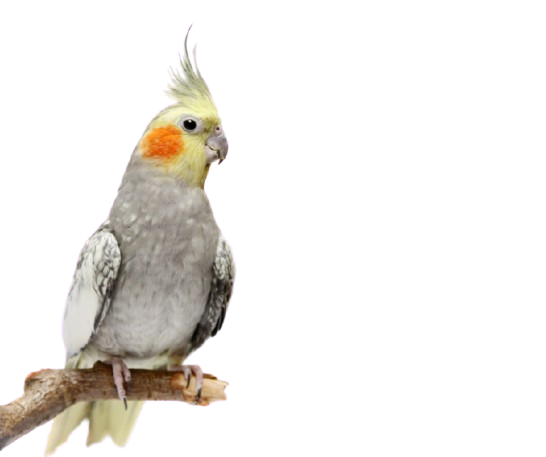
Cockatiel breeders in Texas
Cockatiel breeders in Texas
If you are searching for the best cockatiel breeders in Texas, finding a healthy, hand-raised bird from a reputable source is the most critical step for any future bird owner. In this guide, I’ll share my years of experience as a breeder to help you navigate the Texas avian market, identify ethical sellers, and understand the specific mutations and care needs of these charming “mini cockatoos.” Whether you are looking for a show-quality bird or a cuddly family pet, choosing the right breeder ensures your new feathered friend has been properly socialized and health-screened from day one. At THE COCKATIELS FOR SALE HOME, we prioritize these standards to ensure every bird finds its perfect forever home.
Key Takeaways
- Locating Quality Breeders: Focus on those who specialize in hand-feeding and early socialization for a tamer pet.
- Health Documentation: Always ask for recent vet records and DNA sexing to avoid surprises later.
- Texas-Specific Resources: Utilize local clubs like the Cen-Tex Bird Club or the North Texas Cockatiel Club to find vetted hobbyists.
- Mutation Variety: Texas is home to experts in rare colors, including White-faced, Lutino, and Emerald cockatiels.
- Environment Matters: Ensure the breeder maintains a clean, spacious facility with high-quality pellet-based diets.
The Search for Reputable Cockatiel Breeders in Texas
When you start your journey to find cockatiel breeders in Texas, it’s easy to get overwhelmed by the sheer number of options. From large-scale aviaries to small, in-home hobbyists, the Lone Star State is a massive hub for avian enthusiasts. But here is the thing—not all breeders are created equal. I’ve seen many folks rush into a purchase because a bird was “available now,” only to realize later that the bird wasn’t properly weaned or, worse, had underlying health issues.
A true professional doesn’t just sell you a bird; they match you with a companion. In my time working with these animals, I’ve learned that the environment the chick is raised in during the first eight weeks dictates its personality for the next twenty years. You want a breeder who talks about “socialization” and “environmental enrichment” as much as they talk about price. If they can’t tell you what kind of vegetables the parents eat or won’t show you where the babies are kept, that’s a red flag. Perhaps I’m a bit old-school, but I think a breeder’s facility should smell like fresh wood shavings and veggies, not like a neglected pet shop.
What to Look for in a Texas Aviary
Texas has some unique challenges, specifically the heat. When visiting cockatiel breeders in Texas, check their climate control. Cockatiels are hardy, sure, but a chick being raised in a garage in a Houston summer is going to be stressed. Stress leads to a weakened immune system. I always tell people to look at the eyes—they should be bright and clear. The feathers should be smooth, not ragged. If you see a bird huddling in the corner with its feathers fluffed up, walk away. That bird is likely ill.
Also, ask about their weaning process. A reputable breeder never “force-weans” a bird based on a calendar. They wait until the bird is eating independently. If a breeder offers to sell you an unweaned baby so you can “bond” through hand-feeding, please be careful. Unless you are highly experienced, hand-feeding is a dangerous task that can lead to crop burn or aspiration. A well-weaned bird from a quality cockatiel breeder in Texas will bond with you just fine through play and treats.
Top Rated Bird Breeders and Resources in Texas
Finding a local expert can be done by looking into established avian organizations. Texas has a very active community of “bird people” who take their craft seriously. Below is a list of some of the most recognized names and clubs where you can find high-quality birds and advice.
List of Notable Texas Aviaries and Clubs
| Organization/Breeder | Location | Specialty / Focus |
| Kookaburra Bird Shop | Richardson, TX | Family-owned since 1979; known for hand-raised, very socialized babies. |
| JC Aviary | Austin, TX | Specializes in hand-rearing a variety of species with a focus on health and tameness. |
| A Parrots Cove | Houston, TX | Focuses on nutrition-heavy weaning (pellets and fresh chop) and lifetime support. |
| Laura’s Little Parrots | North Texas | Registered with the National Cockatiel Society; specializes in various mutations. |
| Cen-Tex Bird Exhibitors | Central Texas | A club that hosts shows where you can meet top-tier exhibition breeders. |
| Pet City Houston | Houston, TX | Offers a wide variety of birds and emphasizes daily social interaction for chicks. |
| Alamo Exhibition Bird Club | San Antonio, TX | Great for networking with hobbyist breeders who focus on show standards. |
This list isn’t exhaustive, of course. There are many smaller “boutique” cockatiel breeders in Texas who only raise one or two clutches a year. These are often some of the best pets because they get an incredible amount of one-on-one attention. THE COCKATIELS FOR SALE HOME often collaborates with such dedicated individuals to ensure the highest quality of care.
Understanding Cockatiel Species and Mutations in Texas
While all cockatiels are technically the same species (Nymphicus hollandicus), the “mutations” or colors you’ll find when visiting cockatiel breeders in Texas are fascinating. In the wild, they are mostly grey with yellow faces and orange cheeks. However, captive breeding has given us a rainbow of choices.
Common Mutations Found Locally
- Lutino: These are the “banana” birds—all yellow or white with bright orange cheeks. They are very popular in Texas, but be sure to ask the breeder if the bird has a “bald spot” behind the crest. Good breeders have mostly bred this trait out, but it still pops up.
- Pied: These birds have random patches of clear (yellow or white) and grey. No two are exactly alike, which I think makes them quite special.
- White-faced: This is a mutation where the bird lacks all yellow and orange pigment. The males have a striking stark-white face against a charcoal body.
- Cinnamon: The grey areas are replaced with a soft, warm brown. It’s a very elegant look.
When talking to cockatiel breeders in Texas, you might hear them mention “splits.” This refers to the genetics the bird carries but doesn’t show. For example, a Grey bird might be “split to Lutino,” meaning it can produce Lutino babies. If you aren’t planning to breed, this doesn’t matter much, but it’s a sign of a knowledgeable breeder if they know their bird’s lineage that deeply.
A User’s Guide to Buying from Cockatiel Breeders in Texas
Buying a bird in Texas requires a bit of a roadmap. You can’t just walk into a place and walk out with a bird—well, you can, but I wouldn’t recommend it. You need to prepare your home and your heart for a commitment that can last 20 years or more.
Step 1: The Initial Interview
When you call up cockatiel breeders in Texas, have a list of questions ready.
- “What do you feed your weaning babies?” (The answer should be a mix of pellets, some seed, and fresh vegetables).
- “Are your birds disease-tested?”
- “Can I come visit the aviary?”If they seem annoyed by your questions, they aren’t the right breeder for you. A good breeder loves their birds and wants to make sure the buyer is actually prepared.
Step 2: Checking the Paperwork
Most reputable cockatiel breeders in Texas will provide a “hatch certificate” and often a DNA sexing certificate. Cockatiels are notoriously hard to sex by looking at them (except for a few specific mutations), so having that DNA card is helpful if you have a name preference or want to avoid egg-laying issues later on.
Step 3: The Transport
Texas is big. If you’re driving from Dallas to Houston to pick up a bird from one of the cockatiel breeders in Texas, make sure you have a secure travel cage. Never transport a bird in a cardboard box; they can chew through it in minutes, and a loose bird in a car is a recipe for disaster. I’ve heard horror stories of birds getting lost at rest stops—don’t let that be you.
Conclusion
Finding the right cockatiel breeders in Texas is about more than just finding a bird; it’s about finding a mentor and a healthy start for your new companion. Texas offers a wealth of experienced avian experts who take pride in their hand-raised cockatiels. By doing your homework, asking the right questions, and visiting the facilities, you can ensure that you’re bringing home a happy, healthy, and well-adjusted bird. At THE COCKATIELS FOR SALE HOME, we believe that a cockatiel isn’t just a pet—it’s a family member. Taking the time to find an ethical breeder is the best gift you can give your future feathered friend.
Frequently Asked Questions
How much do cockatiel breeders in Texas typically charge for a hand-fed baby?

The price varies depending on the mutation and the level of socialization. Generally, you can expect to pay between $150 and $400. Common Grey or Pied cockatiels are on the lower end, while rarer mutations like the White-faced or Emerald can be more expensive. Always remember that a higher price often reflects the cost of high-quality feed, vet checks, and the hours of labor the breeder put into hand-feeding and taming the bird.