Do Cockatiels Get Separation Anxiety?
Yes—cockatiels are highly social and intelligent birds, and they can become distressed when separated from their human “flock” or favorite companion birds. While cockatiels are smaller and less intense than macaws, they still form strong bonds with their owners and can show stress through behaviors like excessive whistling, feather plucking, clinginess, or lethargy.
Managing separation anxiety in cockatiels requires a combination of independence training, environmental enrichment, and consistent social interaction. With proper care, your cockatiel can learn to enjoy alone time without stress.
Key Takeaways
- Social Need: Cockatiels are flock birds; being alone can feel threatening.
- Warning Signs: Watch for feather plucking, obsessive calling, or “shadowing” your every move.
- Independence Training: Teach your cockatiel to play alone with toys and foraging activities.
- Environmental Enrichment: Rotating toys, foraging puzzles, and background sounds like a radio can reduce anxiety.
- Quality Time Counts: Focused interaction is more effective than simply being in the same room.
Why Cockatiels Get Separation Anxiety
Cockatiels, like macaws, have the intelligence of a young child. When you leave the room or go to work, your bird perceives your absence as the temporary loss of their flock. The first signs often appear as “contact calls”—loud whistles or repetitive chirping. If these calls are ignored or prolonged, your cockatiel may escalate to stress behaviors such as feather chewing or constant vocalization.
Even though they are smaller, cockatiels can form very strong attachments to their human caregivers, and the more bonded they are, the harder separation can hit.
Symptoms to Watch For
- Feather Destructive Behavior: Over-preening or nibbling feathers.
- Stereotypical Movements: Pacing, swinging, or repetitive motions.
- Aggression Upon Return: Nipping or lunging after a period of separation.
- Lack of Play or Vocalization: A usually active bird that becomes withdrawn may be stressed.
Cockatiel Types and Sensitivity to Alone Time
Some cockatiel varieties handle being alone slightly better than others, though all need human interaction daily.
| Cockatiel Type | Sensitivity Level | Notes |
|---|---|---|
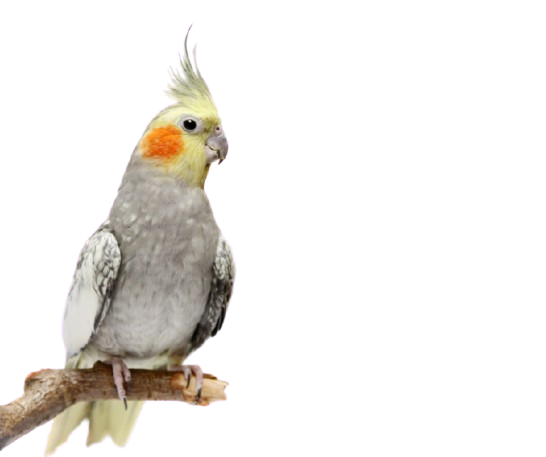
| Normal Grey | Moderate | Enjoys social interaction but can play independently with toys. |
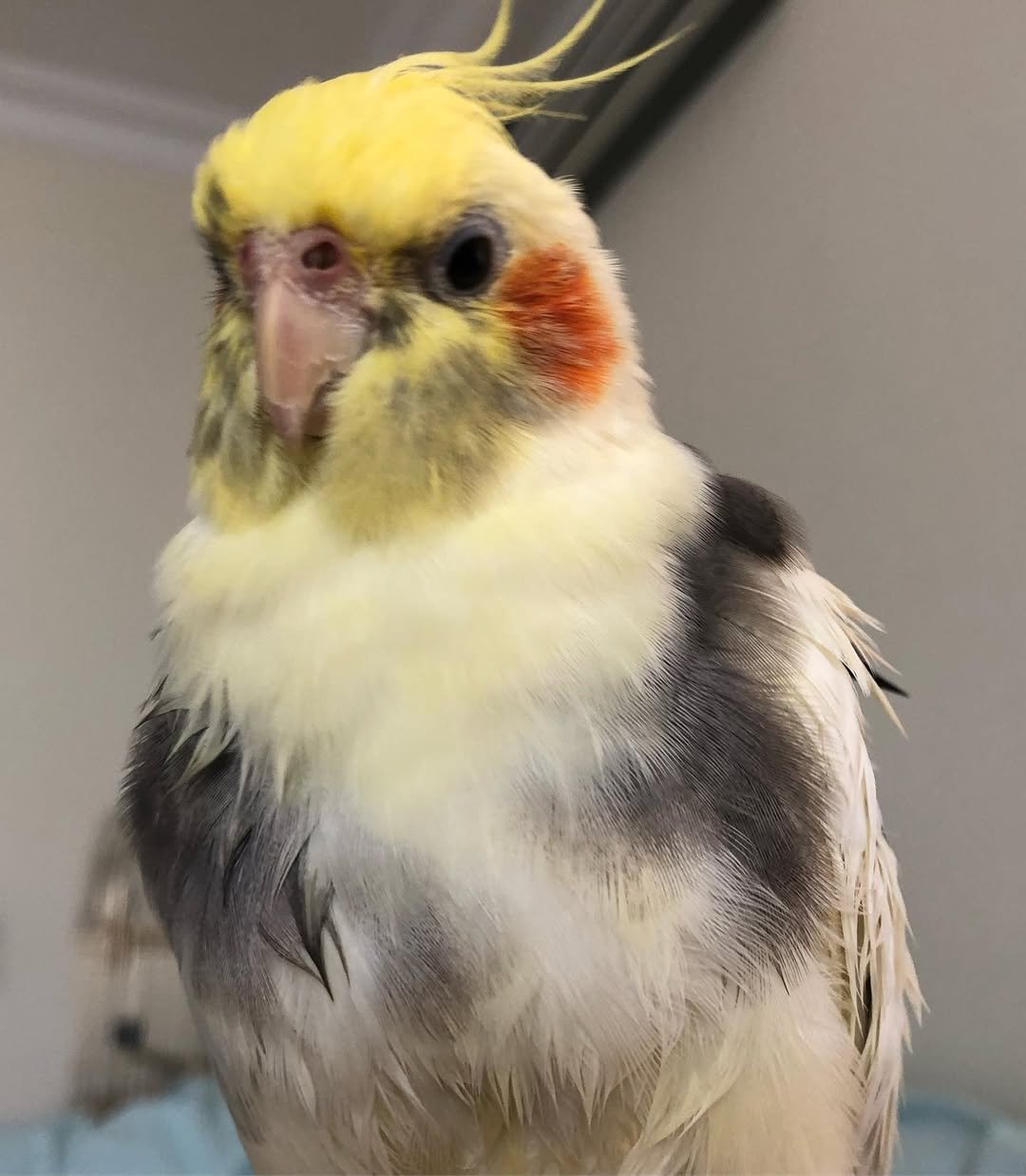
| Lutino | High | More attention-seeking; may vocalize frequently when alone. |
| Pied | Moderate | Curious and playful; responds well to enrichment toys. |
| Cinnamon | Low to Moderate | Calm but bonded; still needs routine interaction. |
Preventing and Managing Separation Anxiety
- Avoid Dramatic Goodbyes: Leaving should be a neutral event. Give a small treat or puzzle toy and quietly step away.
- Provide Background Activity: Soft music, talk radio, or a window view can make your cockatiel feel “connected.”
- Rotate Toys & Foraging Puzzles: Keeping toys fresh engages their mind while you’re away.
- Short, Focused Interactions: A few minutes of quality attention is better than long periods of ignored presence.
- Consider Companion Birds Carefully: A second cockatiel may help, but they still require human interaction and the two birds must bond.
Conclusion: Raising a Confident Cockatiel
Cockatiels thrive when they feel secure and mentally stimulated. Separation anxiety isn’t about “bad behavior”—it’s a natural response to being a social bird in a human household. At THE COCKATIELS FOR SALE HOME, we teach owners how to build confidence, independence, and enrichment into daily life so their cockatiels can enjoy alone time without stress.
A confident, happy cockatiel is curious, playful, and vocal—but never panicked—when you step out of the room. With patience, routines, and thoughtful enrichment, separation anxiety can be managed effectively.
FAQ
Can a second cockatiel prevent separation anxiety?

Sometimes, but there’s no guarantee. Even bonded birds need human interaction. A second bird should be for companionship, not just a “fix” for anxiety. Focus first on toys, enrichment, and training before adding another bird.