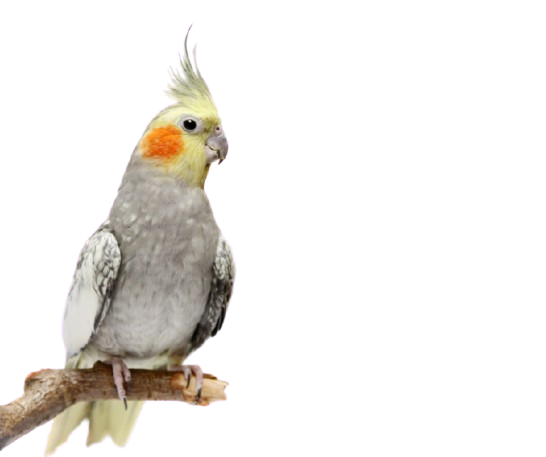
How Do I Know if My Cockatiel is Sick?
Knowing when a cockatiel is sick is the most important skill for any owner. Birds instinctively hide illness to avoid predators, meaning by the time a problem is obvious, it may have been developing for days. The trick is to watch for subtle changes in the “three Ps”: Posture, Poop, and Personality.
A healthy cockatiel should be bright-eyed, active, and perching confidently. Signs of concern include: fluffed-up feathers for long periods, sitting at the bottom of the cage, or droppings that change color or consistency for more than 24 hours.
Key Takeaways
- The “Fluff” Factor: A bird that remains puffed up during the day may be conserving heat to fight infection.
- Respiratory Red Flags: Look for tail-bobbing, labored breathing, clicking sounds, or open-mouth breathing.
- Dropping Diagnostics: Any persistent changes in color, smell, or liquid-to-solid ratio warrant a vet visit.
- Weight Monitoring: Use a gram scale weekly to catch hidden weight loss.
- Cleanliness Check: Discharge around the eyes, nostrils, or vent signals health problems.
Mastering the Art of Observation
Cockatiels often give subtle cues before obvious symptoms appear. Learn your bird’s baseline behavior: normal vocalization, activity, and posture. Deviations from this baseline are often the first sign something is wrong.
Physical Checklist
- Eyes: Should be clear, alert, and dry. Cloudiness or discharge is concerning.
- Cere (Nostrils): No runny nose or clogging.
- Beak and Mouth: White growths may indicate fungal infections (like Candidiasis).
- Keel Bone: If sharp with little muscle, the bird may be underweight.
- Wings and Tail: Tail-bobbing or drooping wings can indicate breathing difficulty.
Personality and Behavioral Shifts
- “Grumpy” Bird: Sudden biting or aggression can indicate pain.
- Floor Bird: A cockatiel spending time at the cage bottom may be too weak to perch.
- Loss of Appetite: Ignoring favorite seeds or fruits is a serious warning.
- Vocal Changes: Raspy calls or silence can signal respiratory or syrinx issues.
Even subtle changes should prompt attention—paranoia saves lives in bird care.
Cockatiel Droppings: What to Watch
Cockatiel droppings consist of feces (green/brown), urates (white/creamy), and urine (clear).
| Symptom | Potential Issue |
|---|---|
| Blood in droppings | Internal injury, heavy metal poisoning |
| Neon yellow/bright green urates | Liver disease or infection |
| Undigested seeds/food | Digestive issue or infection |
| Bubbles in droppings | Bacterial infection or gut gas |
Always consider recent diet changes—some foods, like beets or berries, can temporarily alter color.
Emergency Steps for a Sick Cockatiel
- Heat: Move to a smaller “hospital cage” and provide a bird-safe heat source (~85°F / 29°C).
- Lower Perches: Ensure food and water are reachable for a weak bird.
- Hydration: Offer diluted juice or avian-safe electrolyte solution if accepted.
- Reduce Stress: Keep noise, other pets, and children away.
- Call an Avian Vet: Never rely on a standard dog/cat vet; cockatiels need avian expertise.
FAQ
Can I give my cockatiel human medicine if they are sick?

No. Human medicines like aspirin, ibuprofen, or cold remedies are toxic to birds. Even some over-the-counter “bird” medications may be unsafe or ineffective. Always use prescriptions from a certified avian veterinarian.
Conclusion
Knowing if your cockatiel is sick means being observant, understanding their baseline, and acting early. Subtle changes in posture, droppings, or behavior are often the first signs of illness. At THE COCKATIELS FOR SALE HOME, we encourage owners to trust their instincts—if something seems off, take action immediately. Early intervention is the difference between recovery and tragedy.