How Long Do Cockatiels Live as Pets?
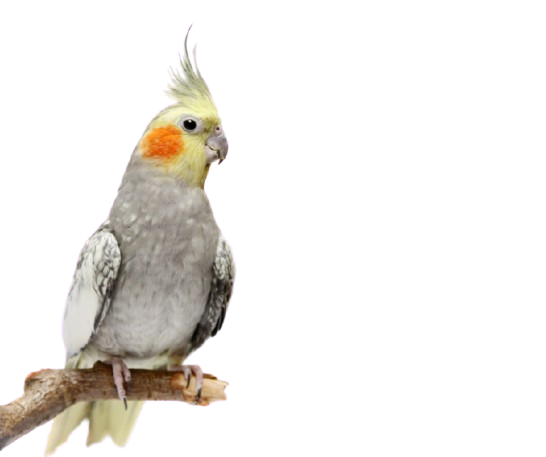
When people ask me, “How long do cockatiels live as pets?”, it’s not just a casual curiosity—it’s about planning a long-term relationship. Cockatiels, unlike giant macaws, have a more manageable lifespan, but they still require a serious commitment. On average, a healthy cockatiel in a domestic setting can live 15 to 20 years, with some individuals reaching 25 years or more with excellent care.
This lifespan means you aren’t just buying a pet; you’re gaining a long-term companion who will share significant portions of your life. Ensuring they reach these ages involves a balanced diet, mental enrichment, a safe environment, and regular checkups with an avian veterinarian.
Key Takeaways
- Lifespan Range: Most cockatiels live 15–20 years; exceptional birds can reach 25.
- Nutrition Matters: High-quality pellets, fresh vegetables, fruits, and occasional seeds maximize longevity.
- Mental Health: Social interaction and toys are essential—loneliness and boredom can reduce life expectancy.
- Veterinary Care: Routine checkups catch early signs of disease or nutritional imbalances.
- Long-Term Planning: Consider who will care for your bird if you travel, move, or have life changes.
Cockatiel Longevity: A Realistic Perspective
Cockatiels are smaller and less demanding than macaws, but they are social creatures who need daily attention. Unlike dogs or cats, their cognitive and emotional needs are significant for their lifespan. A neglected cockatiel may develop stress-related behaviors like feather plucking, screaming, or reduced immunity, which can shorten its life.
By providing a stimulating environment, consistent handling, and proper nutrition, you increase the likelihood that your cockatiel will live to its full potential.
Factors That Influence Lifespan
- Diet Quality
A seed-only diet is a major pitfall. Cockatiels require pellets, fresh greens, vegetables, and occasional fruits and nuts. Seeds can be a treat, but they should not dominate the diet. - Environmental Safety
Clean air, no toxic fumes (Teflon, aerosols, scented candles), and safe toys are vital. Respiratory problems are a common cause of premature death in small parrots. - Social and Mental Stimulation
Cockatiels are highly social. They need daily interaction, training, and toys to prevent boredom, stress, and destructive habits. - Regular Vet Care
Annual or biannual checkups with an avian vet allow early detection of nutritional deficiencies, liver problems, or respiratory infections. - Genetics and Early Care
Hand-raised birds from reputable breeders tend to be healthier and more resilient. Avoid birds with unknown histories if your goal is a long-lived companion.
Planning for a 15–20 Year Companion
Since cockatiels can live decades, it’s important to plan ahead:
- Financial Planning: Budget for food, toys, and annual veterinary care.
- Housing: Provide a medium cage with safe areas to climb and fly.
- Backup Care: Identify a trusted friend, family member, or avian boarding facility in case of emergencies.
- Routine and Enrichment: Establish a consistent schedule for feeding, playtime, and socialization.
Conclusion
Understanding how long cockatiels live as pets helps set realistic expectations. These birds are smaller, quieter, and easier to manage than macaws, but they still require a lifelong commitment. With proper care, nutrition, and mental stimulation, your cockatiel can be a companion for 15–25 years, offering affection, playfulness, and a deep bond that grows stronger with time.
Frequently Asked Questions
Can cockatiels live with children?

Yes, but supervision is essential. Cockatiels are delicate, and rough handling can injure them. Teach children to interact gently and respect the bird’s space.