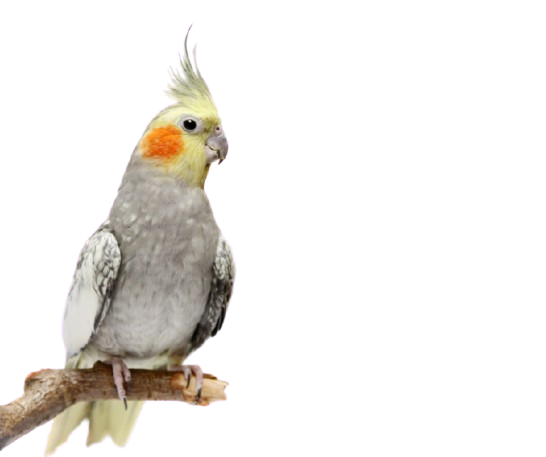
How Much Exercise Does a Cockatiel Need Daily?
If you think a cockatiel is happy just sitting quietly on a perch all day, think again. At THE COCKATIELS FOR SALE HOME, when people ask, “How much exercise does a cockatiel need daily?”, I tell them to picture a small, feathery athlete who needs to stay active both physically and mentally.
Cockatiels require at least 1 to 2 hours of out-of-cage activity every day, where they can flap, climb, and play. Without proper exercise, they can develop muscle weakness, obesity, and behavioral problems such as screaming, feather plucking, or boredom-related aggression.
Exercise for cockatiels isn’t just about flying; it’s about beak-foot coordination, wing strength, and mental stimulation through climbing, shredding toys, and interactive play.
Key Takeaways
- Daily Minimum: 1–2 hours of out-of-cage activity is essential for physical and mental health.
- Wing Flapping: Even clipped cockatiels need space to flap their wings for cardiovascular and respiratory health.
- Climbing & Exploration: Ladders, ropes, and play gyms allow vertical exercise, which is as important as horizontal flight.
- Obesity Prevention: Cockatiels are prone to fatty liver disease if sedentary; exercise and foraging help maintain a healthy weight.
- Mental Burnout: Active play is the best way to burn excess energy and prevent boredom-induced screaming.
Why Daily Exercise Matters
When people ask, “How much exercise does a cockatiel need daily?”, I like to remind them that in the wild, these birds fly long distances and forage constantly. In a house, a sedentary cockatiel can quickly become overweight and stressed.
I once saw a cockatiel who lived in a tiny cage for months. Its legs were weak, its wings flabby, and it became irritable and noisy. With daily flight, climbing, and foraging exercises, it gradually became energetic, confident, and much happier.
The Best Ways to Exercise Your Cockatiel Indoors
You don’t need a large aviary—just some creativity:
- Flap Training: Encourage wing flaps by gently lifting the bird while it holds on. This strengthens chest muscles.
- Vertical Ladders & Ropes: Cockatiels love climbing ladders, cotton ropes, or small swings—great for feet, beak, and core strength.
- Foraging Games: Hide millet sprays or treats around a play gym to encourage movement and problem-solving.
- Interactive Play: Small “chase” games, light wrestling with toys, or encouraging gentle hopping between perches engages energy.
Flight: Optional but Beneficial
Even clipped cockatiels benefit from wing flapping exercises. Flighted cockatiels burn more energy quickly and often have better muscle tone, confidence, and mental stimulation. If flight is allowed, make sure the area is safe and free of hazards.
Cockatiel Energy Levels by Type
Not all cockatiels are equal in activity level. Consider your bird’s natural energy when planning daily exercise:
| Cockatiel Type | Energy Level | Best Type of Exercise |
|---|---|---|
| Normal Grey | Moderate | Flapping, climbing, foraging, interactive play |
| Pied / Cinnamon | High | Zoomies, flight, ladder climbing, shredding toys |
| Lutino / Albino | Moderate-Low | Gentle flapping, foraging, short play sessions |
| Pearl / White-Faced | Moderate | Climbing, light flight, interactive games |
High-energy cockatiels may need closer to 2 hours of structured activity, while calmer birds may thrive with 1 hour of exercise and intermittent free-play.
Daily Routine Example
- Morning Warm-Up: 10–15 minutes of gentle wing flaps on your hand or perch.
- Play Gym: 30–45 minutes climbing ladders, swinging, or exploring toys.
- Foraging Session: 15–30 minutes, hiding treats or millet sprays.
- Evening Interaction: 20–30 minutes of gentle play or training exercises.
Consistency is key. A daily routine keeps your cockatiel healthy, confident, and mentally sharp.
Conclusion
So, how much exercise does a cockatiel need daily? Enough to keep them active, engaged, and healthy. At THE COCKATIELS FOR SALE HOME, we stress that physical and mental stimulation is the foundation of a happy life for these birds. With the right climbing toys, foraging opportunities, and interactive play, your cockatiel will be fit, cheerful, and far less prone to boredom-related behaviors.
FAQ
Can a cockatiel get too much exercise?

Generally, no—unless the bird has a pre-existing health condition. Watch for signs of fatigue, such as panting, drooping wings, or sitting excessively. For healthy cockatiels, more activity is almost always better.