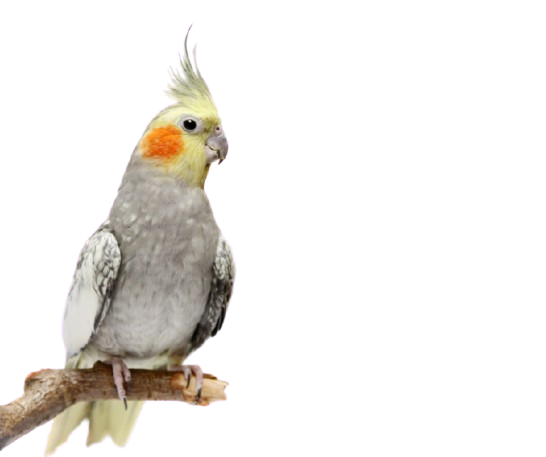
How Often Should I Feed My Cockatiels?
If you’re looking for a “once-a-day” routine like a dog, you’ll need to adjust your expectations. When people at THE COCKATIELS FOR SALE HOME ask, “How often should I feed my cockatiels?”, I explain that these birds are natural grazers and should ideally have access to food throughout the day.
In a home setting, you should:
- Offer a fresh morning mix of vegetables and fruits (“Chop”).
- Keep high-quality pellets available all day for grazing.
- Provide a small evening treat or nut-based snack.
Because cockatiels have a high metabolism and small digestive tracts, they shouldn’t go long without nibbling, but wet foods must be removed after about 2 hours to prevent bacterial growth. This mimics their wild behavior, where they forage and nibble throughout the day.
Key Takeaways
- Twice-Daily Fresh Food: Morning fresh vegetables/fruits and a small evening snack.
- Pellets 24/7: Keep a bowl of high-quality pellets always accessible.
- The Two-Hour Rule: Remove any “wet” food within 2 hours to prevent spoilage.
- Foraging Opportunities: Spread food across multiple stations or puzzle feeders.
- Consistency Matters: A daily routine reduces anxiety and excessive screeching.
Establishing a Routine
At THE COCKATIELS FOR SALE HOME, we treat feeding like a social event. Cockatiels wake up ready to nibble in the morning, so the first meal should be their main event. A strict schedule helps keep them calmer and less noisy.
The “Three-Tier” Feeding System
1. Morning Chop (Sunrise):
- Diced kale, carrots, sweet potato, bell peppers, maybe a bit of fruit.
- Hydrates and provides essential vitamins.
2. All-Day Pellet Buffer:
- A separate bowl of organic pellets for grazing anytime.
- Keeps birds from feeling hungry or anxious mid-day.
3. Evening Interaction (Sunset):
- Small nut or seed treat.
- Great opportunity for bonding or training before bedtime.
Tip: Avoid leaving mushy fruits or vegetables in the cage all day. Spoiled food can attract bacteria and pests.
Why Timing Matters
Cockatiels are creatures of habit. Birds that eat at random times often become anxious or noisy. Setting a consistent feeding schedule keeps them relaxed and engaged.
Species-Specific Feeding Notes
| Cockatiel Type | Feeding Notes | Frequency Tips |
|---|---|---|
| Standard Cockatiel | Active forager | Morning/evening fresh food, pellets all day |
| Pearl or Albino | Can be prone to hyperactivity | Small nut in evening, avoid overfeeding treats |
| Lutino | Sensitive to weight gain | Limit evening treats, keep veggies consistent |
Sample Daily Feeding Schedule
- 7:00 AM: Place fresh chop in bowl; spend a few minutes talking or interacting.
- 9:00 AM: Remove leftover fresh food; ensure pellet bowl is filled.
- 1:00 PM (Optional): Hide a small treat in a foraging toy to keep them engaged.
- 5:30–6:00 PM: Offer a tiny piece of healthy snack or nut; use as training time.
- 8:00 PM: Remove leftover food (except pellets) to prepare for sleep.
FAQ
What if my cockatiel refuses vegetables in the morning?

Try intermittent feeding: remove the pellet bowl for an hour before offering fresh veggies.
When the bird is slightly hungry, it’s more likely to eat the healthy food.
Never leave them hungry for too long—an hour is usually enough to encourage nibbling.
Conclusion
So, how often should I feed my cockatiels? Frequently enough that they never feel food-insecure, but structured enough to avoid spoiled food. Fresh Chop, continuous pellets, and small evening treats keep cockatiels healthy, happy, and mentally stimulated.
With a reliable feeding routine, your bird will thrive, remain calm, and be eager to interact with you throughout the day.