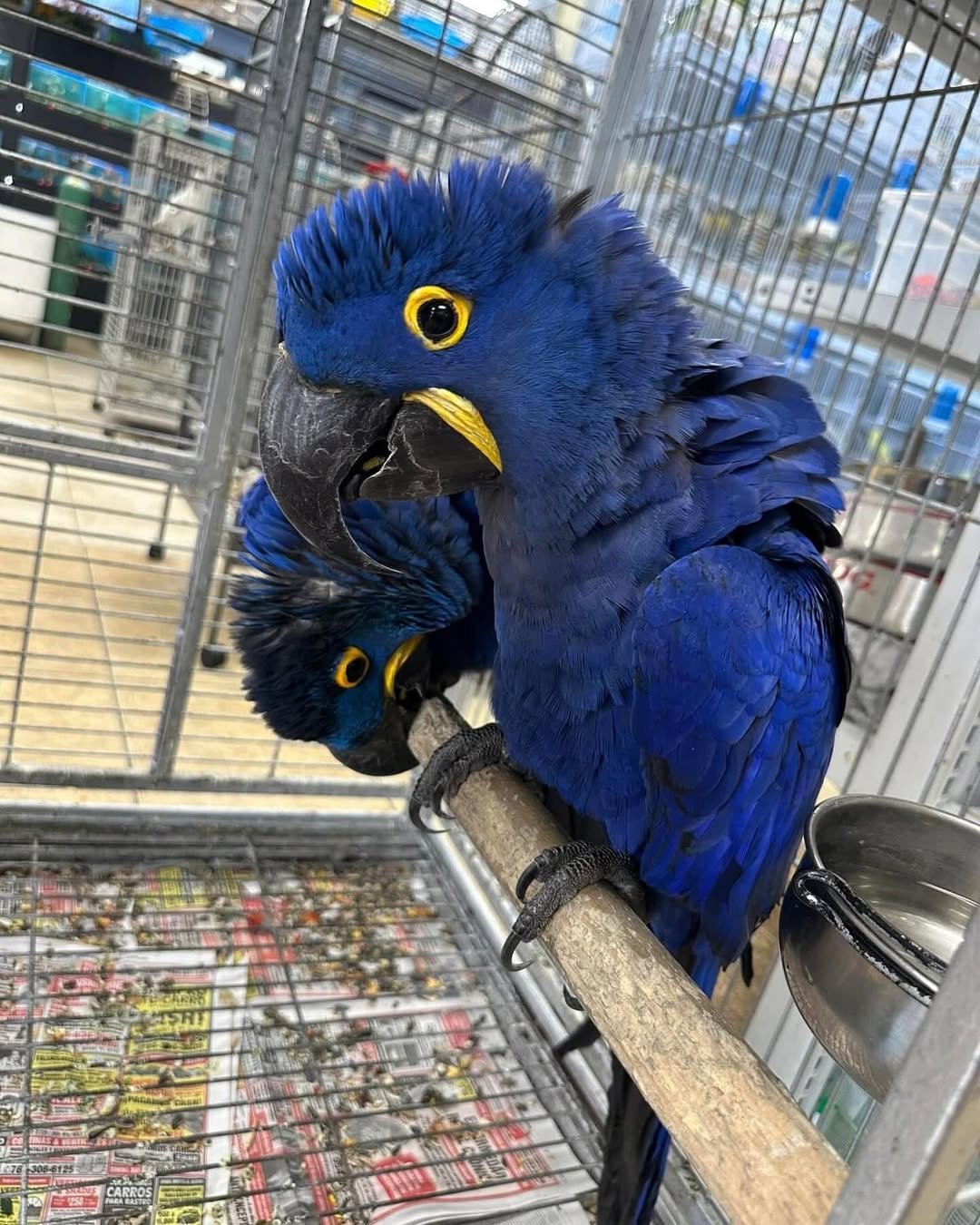
How often should I take my macaw to the vet?
The answer to How often should I take my macaw to the vet? is that you should schedule a professional avian checkup at least once a year for a healthy adult, though I always tell my clients at MACAW PARROTS FOR SALE HOME that a “new bird” exam is mandatory within the first 72 hours of bringing your baby home. Because macaws are prey animals that instinctively hide illness until it is life-threatening, these annual visits aren’t just for a quick look-over; they involve vital blood panels, fecal exams, and weight monitoring that can catch internal issues like fatty liver disease or respiratory infections long before your bird shows a single outward symptom.
If your macaw is a senior (over 35 years old) or has a history of chronic issues like egg-binding or feather destructive behavior, I’d suggest bumping those visits up to every six months to ensure their aging systems are supported. At MACAW PARROTS FOR SALE HOME, we view the vet as a partner in your bird’s 60-year lifespan, not just someone you call when there is an emergency.
Key Takeaways
- The Annual Standard: Healthy adult macaws require a comprehensive wellness exam once every 12 months.
- The Initial Exam: Every bird from MACAW PARROTS FOR SALE HOME should see a vet immediately for a “baseline” health record.
- Senior Care: Macaws over 30–40 years old benefit from twice-yearly visits to monitor organ function and joint health.
- Diagnostic Bloodwork: Annual blood panels are the only way to detect “silent” killers like high cholesterol or kidney strain.
- Emergency Preparedness: Establish a relationship with an avian specialist before you have a crisis; many emergency clinics won’t see “new” exotic patients after hours.
How Often Should I Take My Macaw to the Vet? Beyond the “Sick Bird” Visit
I’ve been in the breeding business a long time, and I can tell you that the most successful owners at MACAW PARROTS FOR SALE HOME are the ones who don’t wait for a sneeze to call the doctor. When you ask how often should I take my macaw to the vet?, you’re really asking about preventative maintenance.
Think of it like an oil change for a very expensive, very loud airplane. A macaw’s body is a complex machine. In the wild, they are constantly moving and eating a massive variety of detoxifying clays and plants. In our homes, even with the best “chop,” things can get out of balance. I remember a Scarlet Macaw named “Captain” who looked perfect—shiny feathers, bright eyes, great appetite.
At his annual checkup, the bloodwork showed his bile acids were through the roof. We caught a liver issue early just by changing his diet and adding a supplement. If that owner had skipped the “unnecessary” annual visit, Captain wouldn’t be here today. Perhaps the biggest value of the yearly visit is the “baseline.” If your vet knows what your bird’s blood looks like when they are healthy, they can much more easily spot what’s wrong when they are sick.
What Happens During a Wellness Exam?
If you’re wondering how often should I take my macaw to the vet?, it helps to know what you’re paying for. A true avian exam is much more involved than a dog or cat visit.
- The Physical Prep: The vet will check the “quality” of the feathers, the strength of the grip, and the clarity of the eyes and air sacs.
- Gram Stains and Fecals: They look at the droppings under a microscope to check for an overgrowth of yeast or “bad” bacteria.
- The CBC (Complete Blood Count): This is the “gold standard.” It checks for infection, anemia, and organ function.
- Beak, Wing, and Nail Trims: While not strictly medical, many owners use the annual visit to have a professional handle the grooming, which can be stressful to do at home.
At MACAW PARROTS FOR SALE HOME, I always suggest asking your vet for a copy of the results. Keep a folder for your bird. If you ever move or have to go to an emergency clinic, having that history is a lifesaver.
When “Once a Year” Isn’t Enough
Sometimes the answer to how often should I take my macaw to the vet? changes based on life stages. I’ve noticed that macaws, like people, have “vulnerable” periods.
- The Juvenile Stage: During the first two years, their immune systems are still “learning.” I often suggest a checkup every six months just to monitor growth and ensure they are weaning onto a healthy diet properly.
- The Breeding Season: If you have a female macaw that is laying eggs, she is depleting her calcium at a massive rate. A mid-season checkup can prevent egg-binding, which is a common and deadly emergency.
- The “Golden Years”: Once a macaw hits that 35+ mark, they start to slow down. We see more cases of arthritis or cataracts. Frequent monitoring helps us manage their pain and keep them comfortable.
I think some people worry about the “stress” of the vet visit. And yes, macaws aren’t fans of being toweled or poked. But at MACAW PARROTS FOR SALE HOME, we believe a few minutes of stress at the vet is a fair trade for a decade of extra life.
Top Breeders, Specialists, and User Guide for Vet Care
Not all vets are created equal. When you’re trying to determine how often should I take my macaw to the vet?, make sure you are going to the right person.
Finding the Right Expert
- ABVP Certified: Look for a vet who is a “Diplomate of the American Board of Veterinary Practitioners” in Avian Practice. They have gone through years of extra testing just for birds.
- Association of Avian Veterinarians (AAV): Check their member directory. If a vet isn’t an AAV member, they probably aren’t keeping up with the latest in parrot medicine.
- MACAW PARROTS FOR SALE HOME Recommendations: I keep a list of vets that my clients have used and trusted for years. If you’re in a new city, just ask me.
User Guide: Preparing for the Visit
- The Travel Crate: Get your bird used to their carrier weeks before the visit. Put treats inside it so it isn’t “the scary box that leads to the doctor.”
- Don’t Clean the Cage: If you bring the bird in their smaller travel cage, don’t scrub the bottom. The vet wants to see the droppings from the last few hours.
- The Question List: Write down any changes in behavior, no matter how small. “He’s been sleeping five minutes longer than usual” is a valid medical observation for a macaw.
Conclusion
So, how often should I take my macaw to the vet? At least once a year, every single year. It’s the best investment you can make in your bird’s future. At MACAW PARROTS FOR SALE HOME, we do everything we can to start your bird off with perfect health, but it’s up to you to maintain it. These birds can live to be 60, 70, or even 80 years old with the right care. A regular vet schedule is the “secret sauce” to making sure your macaw is still screaming and playing for generations to come. If you’re looking for a local specialist or need help understanding a recent lab report, I’m always just a phone call away!
Frequently Asked Questions
Can I just use a mobile vet for my macaw?
This is a great question when people ask how often should I take my macaw to the vet?. Mobile vets are fantastic for reducing stress because the bird stays in its own environment. However, make sure the mobile vet has the equipment to draw blood and properly store it. If they are just doing a “visual” exam, you’re missing 90% of the important data. A hybrid approach—mobile for minor things and a clinic for the big annual bloodwork—is often a great compromise.