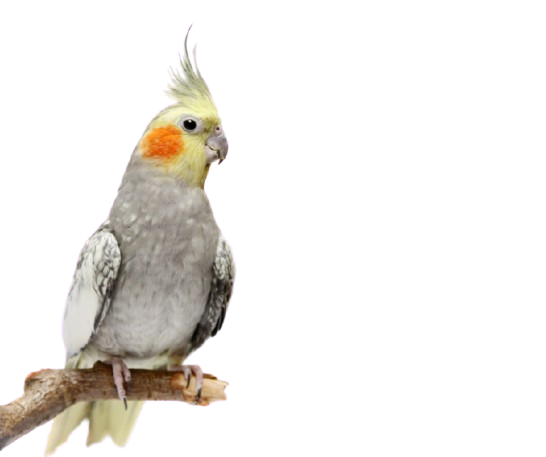
Cockatiels Care starts with the everyday things that are easy to overlook: good food, clean water, enough space to move, safe surroundings, regular interaction, and knowing what is normal for your bird. Whether you are bringing home your first cockatiel or have kept these birds for years, the basics still matter. In my experience, a cockatiel usually does best when its routine is simple, consistent, and not constantly changing.
Cockatiels Care Starts With the Right Daily Routine
One thing I have learned about cockatiels is that they tend to appreciate predictability. They don’t necessarily need everything done at exactly the same minute every day, but a familiar routine helps.
Fresh water should be provided every day, and food dishes need regular cleaning. The cage should be checked for droppings, spoiled food, damaged toys, loose hardware, and anything else that could become a problem.
It is also worth taking a few minutes simply to watch your bird.
Is your cockatiel moving normally? Is it eating with its usual appetite? Is it alert when you approach? Does it spend most of its time comfortably perched?
Those little observations can tell you a lot. Birds are also very good at hiding illness, so noticing a change early is important.
Cockatiels Care and a Balanced Diet
Nutrition is one of the areas where new owners sometimes get conflicting advice. Seeds are certainly familiar to cockatiels, but an all-seed diet is not considered an adequate long-term feeding plan by veterinary guidance.
A formulated pelleted food can provide the nutritional foundation, while smaller amounts of vegetables, greens, fruit, and seed can add variety. VCA Animal Hospitals currently recommends a pelleted diet as the main component of a cockatiel’s diet, with fruits and vegetables kept to a smaller portion.
If your bird has lived mostly on seed, don’t suddenly remove everything it recognizes and expect it to understand a new food immediately.
Some cockatiels take to pellets quickly. Others need considerably more patience.
During a diet change, make sure the bird is actually eating the new food rather than simply throwing it around. A veterinarian familiar with birds can help if the transition becomes difficult.
Fresh water should always be available, and water containers should be cleaned thoroughly every day. Certain foods, including avocado, onion, chocolate, alcohol, and caffeine-containing products, should never be offered.
The Best Cage Setup for Cockatiels Care
A cage should not be thought of as a place where a cockatiel is simply stored. It is the bird’s main living environment.
The cage needs enough room for your cockatiel to move between perches, stretch its wings, play, eat, and rest without constantly bumping into toys or cage bars. Veterinary guidance from VCA lists approximately 2 feet by 2 feet by 3 feet as a minimum cage size for a cockatiel, while also emphasizing that larger is generally better.
I prefer to think about the cage in terms of usable space rather than measurements alone.
A huge cage filled with so many toys and accessories that the bird cannot move comfortably is not really an improvement.
Use several appropriately sized perches rather than one identical perch everywhere. Different textures and diameters can provide variety for the feet. Toys should be positioned so they do not block the bird’s normal movement.
And check them regularly. Cockatiels are excellent at discovering loose threads, broken pieces, and weak attachments.
Cockatiels Care Includes Social Interaction
Cockatiels are naturally social birds. That doesn’t mean every cockatiel wants to be handled constantly.
Some birds enjoy sitting on a person’s shoulder. Others prefer being nearby, listening to conversation, or stepping onto a hand for a short period before returning to their perch.
That difference is perfectly normal.
Good socialization is gradual. Talk to your cockatiel, offer calm interaction, and allow the bird to approach at its own pace. Young cockatiels can generally adapt well to new experiences when those experiences are introduced carefully. VCA recommends exposing young birds to different people and situations to help them become more comfortable with their environment.
Don’t turn every interaction into a training session, either.
Sometimes sitting beside the cage and talking quietly is enough.
Toys, Exercise, and Mental Stimulation
A cockatiel needs more to do than eat and sleep.
Toys can provide chewing, climbing, manipulation, and exploration. Simple foraging activities can also encourage natural behaviors. Lafeber notes that cockatiels naturally forage and benefit from opportunities to interact with their environment.
Rotate some toys occasionally rather than filling the cage with everything at once. This can make familiar objects interesting again.
Supervised time outside the cage can also provide exercise, but the room needs to be bird-safe first.
Ceiling fans should be switched off. Windows and doors need to be secured. Toxic household products, open containers of water, exposed electrical cords, and other hazards should be removed or blocked.
This is one area where being overly cautious is usually better than discovering a problem afterward.
Cockatiels Care and Sleep
Sleep is another part of a healthy routine that owners sometimes underestimate.
Cockatiels generally benefit from a quiet, dark period at night. A bird that is repeatedly disturbed by televisions, bright lights, people walking around, or other household activity may not get the rest it needs.
Try to establish a predictable bedtime.
If your household remains active late into the evening, consider how the cage can be positioned so the bird has a quieter sleeping environment.
Night frights can also occur, particularly when a bird is startled by sudden movement or darkness. If your cockatiel becomes frightened at night, observe what triggers the episodes and adjust the sleeping environment accordingly.
Signs That Your Cockatiel May Need Veterinary Attention
Good cockatiels care is not only about preventing problems. It is also about recognizing when something isn’t right.
Watch for significant changes in appetite, activity, droppings, posture, breathing, feather condition, or normal behavior.
A cockatiel that suddenly becomes unusually quiet or spends excessive time at the bottom of the cage should not simply be assumed to be tired.
Birds can deteriorate quickly, which is why having an avian veterinarian identified before an emergency occurs is a sensible step. VCA recommends routine veterinary examinations for cockatiels and advises owners to have a newly acquired bird examined by a veterinarian familiar with birds.
You know your bird’s normal behavior better than anyone after living together for a while. If something feels noticeably different, take that observation seriously.
Choosing a Good Breeder for Better Cockatiels Care
The care your cockatiel receives before coming home can make the transition easier.
When comparing breeders, don’t judge them only by photographs or color mutations. Ask about diet, handling, socialization, age, housing, and the bird’s established routine.
You can also look at established cockatiel organizations and breeder communities when researching where to start. The National Cockatiel Society currently lists affiliated clubs and registered aviaries, including organizations and breeders in California and other states.
The important point is that being listed somewhere should not automatically be treated as a guarantee of quality. Use it as a starting point for research.
A Practical Breeder Checklist
1. Ask what the bird currently eats.
Changing diet immediately can make the first few days unnecessarily complicated.
2. Ask how the bird has been socialized.
You want to know whether the cockatiel is accustomed to normal human interaction.
3. Ask about the bird’s age.
Age matters for feeding, development, behavior, and settling into a new home.
4. Ask about health records.
Keep any documentation supplied with the bird and discuss appropriate veterinary care with your avian veterinarian.
5. Ask about the bird’s personality.
A breeder who knows individual birds should be able to describe differences in temperament.
6. Ask about transportation.
The bird should be moved using safe, appropriate arrangements rather than treated like an ordinary parcel.
7. Ask what happens after the bird goes home.
A breeder who is willing to answer reasonable care questions afterward can be particularly helpful for first-time owners.
Organizations such as the National Cockatiel Society also provide opportunities to meet breeders and cockatiel enthusiasts through affiliated clubs and exhibitions, which can be useful when researching the cockatiel community.
Cockatiels Care for Different Cockatiel Mutations
Cockatiels come in a variety of appearances, including normal gray, lutino, pied, pearl, and cinnamon, among other combinations. Their appearance can be fascinating, but mutation should not become the entire focus of choosing a bird.
The basic cockatiels care requirements remain centered on nutrition, housing, exercise, social interaction, hygiene, safety, and veterinary attention.
A beautiful bird still needs a good home.
When I talk with people interested in cockatiels for sale, I encourage them to think about temperament and lifestyle as much as color. A quieter bird may suit one household, while a confident and active bird may be a better fit for another.
Cockatiels Care After Bringing Your Bird Home
The first few days should be relatively calm.
Your new cockatiel is entering an unfamiliar environment filled with different sounds, smells, people, furniture, and routines. Give it time to observe.
Keep the cage in a safe location where the bird can see normal household activity without being placed in the middle of constant traffic.
Continue the food routine it already knows before making major dietary changes. Talk quietly. Avoid chasing the bird around the cage to force handling.
It may take a little time.
Some cockatiels begin interacting almost immediately. Others need days or longer before they become comfortable. Neither response automatically means something is wrong.
Conclusion
Cockatiels Care is really a collection of small daily responsibilities rather than one complicated formula. Give your bird appropriate food, fresh water, a safe and spacious cage, suitable enrichment, regular social interaction, enough sleep, and access to qualified veterinary care.
Pay attention, too.
The more familiar you become with your cockatiel’s normal habits, the easier it becomes to notice when something changes. That awareness is one of the most useful things an owner can develop.
At Cockatiels For Sale, I believe choosing a bird should be the beginning of learning about its needs, not the end of the process. Whether you are researching your first cockatiel or improving the routine for a bird you already have, thoughtful care will always matter more than simply having the right-looking cage or the most attractive mutation.