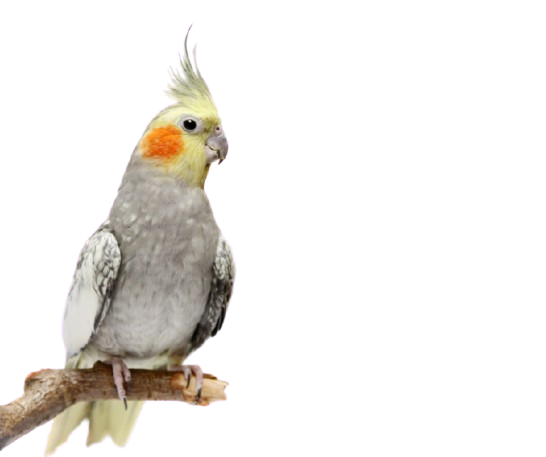
Our team is more than the people who feed birds, clean cages, or answer messages. In a good cockatiel breeding program, the team behind the birds has a direct effect on how those birds are raised, handled, socialized, and prepared for life with a new family. When someone is considering a cockatiel, I think it is worth looking beyond a pretty photograph and asking a simple question: who is actually caring for this bird every day?
From my perspective as Mr. Parrot, that question matters because raising cockatiels is a daily responsibility. Feeding, cleaning, observation, handling, enrichment, and keeping accurate records are not occasional jobs. They are part of the routine.
Key Takeaways About Our Team
- A responsible cockatiel team should be involved in the birds’ daily care rather than only handling sales.
- Good breeders pay attention to behavior, appetite, feather condition, activity, and changes in routine.
- Socialization should be gradual and consistent rather than forcing a young bird to interact with people.
- Buyers should be comfortable asking who raises the birds, how they are cared for, and what happens before a bird goes home.
- A trustworthy breeder should be willing to explain the bird’s care requirements instead of making the purchase sound effortless.
- The best team is one that continues to communicate with the buyer after the bird leaves the aviary.
What Our Team Does Every Day
There is a tendency to imagine breeding as mostly waiting for eggs to hatch. Anyone who has spent serious time around cockatiels knows there is much more to it.
A breeding environment needs regular cleaning and observation. Food and fresh water have to be available, cages and surrounding areas need attention, and individual birds need to be watched closely. Sometimes a bird that looks perfectly normal at first glance is simply quieter than usual. That is the kind of small change a caretaker learns to notice.
Our team approach should therefore begin with observation.
We look at how the birds are eating, how active they are, whether they are perching normally, how their feathers look, and whether their behavior has changed. None of these observations replaces an avian veterinarian, of course. They are simply practical parts of responsible daily husbandry.
Cockatiels can also be surprisingly expressive. One bird may happily approach a person while another prefers to watch from the perch before deciding whether to come closer. I don’t believe every cockatiel should be expected to behave exactly the same way.
How Our Team Handles Young Cockatiels
Young cockatiels need more than food and a clean enclosure. They also need appropriate human interaction.
The goal of socialization is not to make every bird constantly seek attention. Instead, a well-managed young bird should gradually become familiar with normal handling, household sounds, different people, and ordinary activity.
This is where patience matters.
A nervous youngster may need shorter handling sessions. Another bird might be confident from the beginning and happily step toward a hand. Pushing either bird too quickly can create unnecessary stress.
A good team watches the bird’s response and adjusts accordingly.
Research and breeder guidance consistently place importance on responsible husbandry and socialization, while established cockatiel organizations continue to support breeders and enthusiasts through exhibitions, clubs, and educational activities.
Our Team and Cockatiel Nutrition
Feeding cockatiels properly is another area where experience makes a difference.
A bird should not simply be given a bowl of seed and left to choose what it wants forever. A balanced diet normally involves an appropriate formulated diet alongside suitable fresh foods, with the exact feeding routine adjusted according to the individual bird, age, activity, and advice from an avian veterinarian.
Fresh vegetables can be useful additions, but introducing new foods should be done sensibly. Some birds accept something immediately; others look at it for several days as if it has personally offended them.
That is normal.
What matters is establishing good eating habits and paying attention to changes. A sudden loss of appetite, for example, should never be dismissed simply because a bird still looks attractive or active.
Avian veterinary guidance also emphasizes watching for changes such as reduced eating, unusual breathing, sitting at the bottom of the cage, or other significant behavioral changes.
Seven Things to Look for in a Cockatiel Breeding Team
1. Daily involvement
Ask who actually feeds, cleans, observes, and handles the birds. A breeder should be able to explain the routine clearly.
2. Individual attention
Cockatiels have different personalities. A good team recognizes that one young bird may be bold while another is cautious.
3. Clean housing
Clean surroundings are a basic part of responsible bird husbandry. Ask how frequently cages, food dishes, perches, and surrounding areas are maintained.
4. Socialization
Find out whether young birds are regularly and appropriately exposed to people. Socialization should be patient, controlled, and suitable for the bird’s stage of development.
5. Honest communication
A breeder should be willing to discuss both the advantages and responsibilities of keeping a cockatiel. These birds can live for many years, so purchasing one should never feel like an impulse decision.
6. Health awareness
A breeder is not a substitute for an avian veterinarian. However, the people caring for the flock should know what normal behavior looks like and understand when professional veterinary attention is necessary.
7. After-sale guidance
The relationship should not end the moment the bird changes hands. New owners often have questions about diet, cage setup, handling, bathing, sleeping, behavior, and the adjustment period.
That continuing guidance can make the first few weeks much easier.
Choosing Between Different Cockatiel Breeders
If you are comparing breeders, don’t focus only on mutation, color, price, or photographs.
Those things matter to some buyers, certainly. But I would put the bird’s upbringing much higher on the list.
The National Cockatiel Society maintains information about cockatiel clubs, exhibitions, breeders, and show activities across different parts of the United States. Its current 2026 calendar, for example, includes cockatiel-related events in California, Texas, Michigan, and other regions.
That doesn’t mean participation in a club or show automatically makes somebody a better breeder. It simply shows that there are established communities where cockatiel enthusiasts and breeders can connect and learn from one another.
When comparing breeders, ask practical questions:
How old is the bird?
What has it been eating?
How has it been socialized?
What happens if the bird becomes stressed after arriving home?
What information will I receive when taking the bird home?
Can you explain the bird’s normal routine?
The answers can tell you considerably more than a sales description.
Our Team at Cockatiels For Sale
At Cockatiels For Sale, the idea behind our team should always be centered on responsible care rather than simply moving birds from one owner to another.
As Mr. Parrot, I believe prospective owners deserve useful information before making a decision. A cockatiel is not a decoration for the living room. It is a living companion that needs appropriate food, safe housing, attention, enrichment, veterinary care, and a stable routine.
That is why I encourage buyers to ask questions.
If you are considering a young cockatiel, think about where the cage will be placed, what diet you intend to provide, how much time you can spend with the bird, and whether you have access to an avian veterinarian. Those details are easy to overlook when you are focused on choosing a beautiful bird.
And honestly, the prettiest bird is not necessarily the best match for every household.
Temperament and compatibility matter too.
A Simple Buyer’s Guide Before Choosing a Cockatiel
Before contacting a breeder, have a basic plan ready.
First, decide whether you want one cockatiel or are considering more than one. Then prepare an appropriately sized cage, safe perches, food and water dishes, suitable toys, and a quiet place where the bird can settle after arriving.
Next, learn the bird’s existing routine. Changing everything at once can make the transition unnecessarily difficult. Keeping familiar food and a familiar schedule during the first few days can help the bird settle while you gradually establish your own routine.
Finally, choose a breeder who answers questions without making you feel rushed.
A responsible seller should be interested in whether the bird is suitable for your household, not merely whether you are ready to pay.
Why the People Behind the Birds Matter
When you see a cockatiel online, you see the finished picture. You don’t see the early mornings, cleaning, feeding, observation, handling, or the countless small decisions involved in raising birds properly.
That is why our team matters.
The people caring for a cockatiel before adoption help establish its early environment. Their attention to routine, cleanliness, nutrition, handling, and observation can influence the bird’s start in life.
There is no perfect breeder, and no two cockatiels will behave exactly alike. But a serious breeding team should be willing to explain what it does, answer reasonable questions, and put the welfare of the birds ahead of making a quick sale.