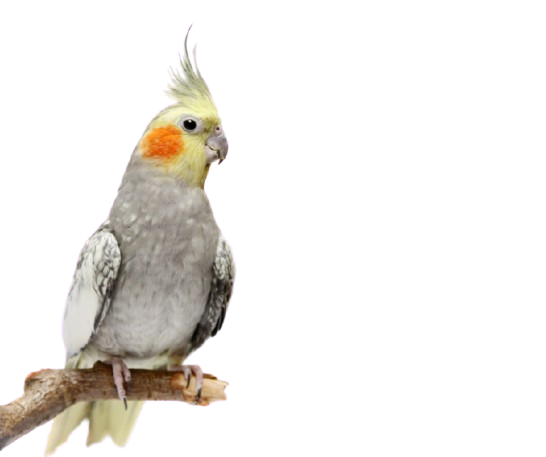
Preparing Your Home for a Cockatiel
Welcoming a cockatiel into your home is exciting, but preparation is key. A well-prepared environment helps your bird settle in confidently, reduces stress, and prevents behavioral problems.
I’m Michael Anderson, and at Cockatiel Companion Home, I’ve spent years raising and working hands-on with cockatiels of all ages and personalities. I’ve seen firsthand how thoughtful preparation makes the difference between a happy, confident bird and one that develops stress-related habits.
Cockatiels are intelligent, social, and curious. While much smaller than macaws, they still require planning, structure, and daily attention. This guide walks you through how to prepare your home so your cockatiel can thrive from day one.
Key Takeaways
Space and Safety Matter
Cockatiels are small but active birds. Their cages and play areas must be secure, sturdy, and spacious enough for climbing, flying short distances, and stretching wings.
Home Safety Is Critical
Cockatiels are naturally curious and may chew or explore things they shouldn’t. Bird-proofing your home is essential to prevent injury or accidents.
Mental Stimulation Prevents Problems
A bored cockatiel can become noisy, destructive, or anxious. Daily interaction, toys, and enrichment support both their intelligence and emotional health.
Diet Preparation Comes First
A balanced diet should be in place before your bird arrives, including pellets, fresh produce, and safe treats.
Cockatiels Require Commitment
Cockatiels typically live 15–25 years, sometimes longer. Preparing your home is just the beginning of that long-term journey.
Choosing the Right Cage: Your Cockatiel’s Home Base
The cage is your bird’s primary living space. For cockatiels, minimum recommended dimensions are approximately 24–30 inches wide, 18–24 inches deep, and 24–30 inches tall, though bigger is always better. Horizontal space matters more than height because cockatiels enjoy climbing and stretching.
Cage considerations:
- Material: Powder-coated steel or stainless steel is safest
- Locks: Simple latches can sometimes be opened by clever birds; choose secure closures
- Perches: Use natural wood or rope perches of varying diameters for foot health
- Bowls: Stainless steel or ceramic food and water bowls
- Placement: Away from drafts, kitchen fumes, and high-traffic areas
A well-designed cage supports comfort, safety, and mental engagement.
Enrichment: Keeping Your Cockatiel Mentally Engaged
Cockatiels are intelligent and active. Mental stimulation is essential to prevent boredom and associated behavioral issues.
Ideas for enrichment:
- Shreddable toys: Safe wood, paper, or palm fiber
- Foraging toys: Encourage problem-solving and natural behaviors
- Chew toys: Durable items that withstand small but curious beaks
- Rotating toys: Change toys regularly to maintain interest
- Play stands / gyms: Safe areas outside the cage for supervised exploration
Bird-Proofing Your Home
Even small birds can get into trouble. Cockatiels love to investigate, chew, and fly around if given the chance.
Key hazards to remove or secure:
- Non-stick cookware (Teflon/PTFE)
- Exposed electrical cords or outlets
- Toxic houseplants
- Open flames or hot surfaces
- Ceiling fans and open windows
- Small objects that could be swallowed
Cockatiels may collide with mirrors or windows, so cover or mark reflective surfaces. Household cleaners and air fresheners should be bird-safe.
Nutrition: Preparing the Right Diet
A healthy diet is essential before your cockatiel arrives:
- Pellets: High-quality formulated cockatiel pellets as the main food
- Fresh vegetables: Leafy greens, carrots, peppers, and squash
- Fresh fruits: In moderation
- Nuts & seeds: Sparingly, as treats or training rewards
Avoid toxic foods such as avocado, chocolate, caffeine, alcohol, or high-salt/sugar foods.
Choosing the Right Source and Support
Preparation isn’t just about the home — it’s about the source of your bird. A responsible breeder or adoption program will:
- Hand-raise and socialize young cockatiels
- Provide health records
- Offer guidance on care and diet
- Support you after placement
At Cockatiel Companion Home, we focus on ethical breeding, early socialization, and long-term support. Proper preparation ensures a confident, happy cockatiel and a strong bond with its family.
Final Thoughts
Preparing your home for a cockatiel is more than cages and toys. It’s about creating a safe, enriching environment where your intelligent, curious bird can thrive.
With the right setup, diet, and enrichment — plus guidance from an experienced source — cockatiel ownership can be an incredibly rewarding experience.
Frequently Asked Question
Q: Is preparing a home for a cockatiel different from preparing for other birds?

A: Yes, but less extreme than for macaws. Cockatiels are smaller, but still curious and active. They need secure cages, safe enrichment, daily interaction, and careful supervision during out-of-cage time. Bird-proofing, diet preparation, and enrichment are essential for a happy, healthy cockatiel.