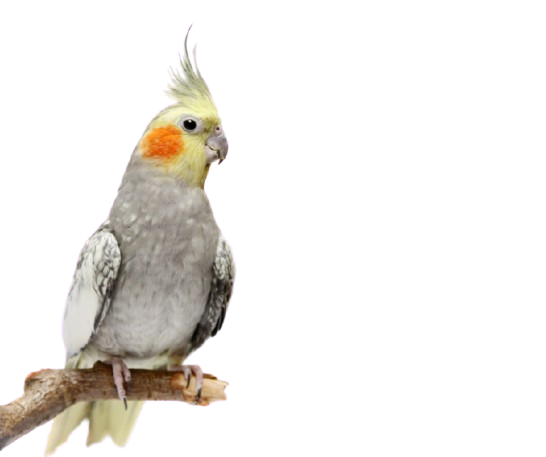
What Foods Are Dangerous or Toxic to Cockatiels?
When people at THE COCKATIELS FOR SALE HOME ask, “What foods are dangerous or toxic to cockatiels?”, it’s one of the most important questions I answer. Despite their playful, tiny appearance, cockatiels have highly sensitive metabolisms. Common human foods that are safe for us can be lethal for these small birds.
Key Takeaways
- The Fatal Trio: Avocado, chocolate, and caffeine are strictly toxic—even tiny amounts can be fatal.
- Fruit Pits and Seeds: Apple seeds, cherry pits, and other stone fruit seeds contain cyanide.
- Alliums: Onions, garlic, and shallots can destroy red blood cells, causing anemia.
- Salt and Sugar: Cockatiels have tiny kidneys; even small amounts of salty or sugary foods can lead to dehydration, organ damage, and death.
- Airborne Hazards: Teflon/PTFE fumes, cleaning chemicals, scented candles, and essential oils can be instantly fatal.
The Dangerous Foods Breakdown
1. Chocolate and Caffeine
- Contain theobromine and caffeine.
- Can cause heart failure, tremors, seizures, and death.
- Dark chocolate is more toxic than milk chocolate.
2. Avocado
- Contains persin, which can trigger heart and respiratory failure.
- All parts of the fruit are dangerous: skin, flesh, and pit.
- There is no “safe” amount.
3. Fruit Seeds and Pits
- Apple seeds, cherry pits, peach and plum pits contain cyanogenic compounds.
- Always core and pit fruit before offering it.
4. Salt, Sugar, and Fatty Human Snacks
- Salty chips, pretzels, or fried foods overwhelm tiny kidneys.
- Excess sugar causes digestive upset and yeast overgrowth.
5. Onions and Garlic
- Can lead to Heinz body anemia, destroying red blood cells.
Non-Food Hazards
- Teflon or Non-Stick Cookware: Fumes from overheating can kill instantly.
- Cleaning Chemicals: Bleach, ammonia, or strong essential oils are toxic.
- Scented Candles & Air Fresheners: VOCs can cause chronic respiratory distress.
Species-Specific Sensitivities
All cockatiels are sensitive, but smaller or more active birds are even more vulnerable to toxins:
| Cockatiel Type | Sensitivity Note |
|---|---|
| Standard Cockatiel | Tiny body mass means even small amounts of chocolate, avocado, or caffeine are dangerous. |
| Pearl/Albino Variants | Often more prone to stress; added sugar or caffeine can trigger extreme hyperactivity. |
| Lutino | Extra-sensitive to high-sodium or fatty snacks. |
Emergency Response: If Your Cockatiel Eats Something Toxic
- Identify the Substance: How much and what exactly did they eat?
- Call an Avian Vet Immediately: Do not wait for symptoms.
- Do Not Induce Vomiting: Risk of aspiration is high.
- Keep Calm: Minimize stress to slow the spread of toxins.
- Have an Emergency Contact: Keep a 24-hour avian clinic number handy.
FAQ
Is dairy toxic to cockatiels?

Yes, technically. Cockatiels are lactose intolerant. A tiny lick of yogurt or cheese usually won’t kill them, but it can cause digestive upset or diarrhea. Stick to plant-based proteins and safe bird treats instead.
Conclusion
So, what foods are dangerous or toxic to cockatiels? The rule of thumb is: “If it isn’t found in a natural bird diet, don’t give it.” Stick to fresh vegetables, safe fruits (without pits), high-quality pellets, and raw nuts in moderation. It’s better to say “no” today than risk losing your feathered friend tomorrow.