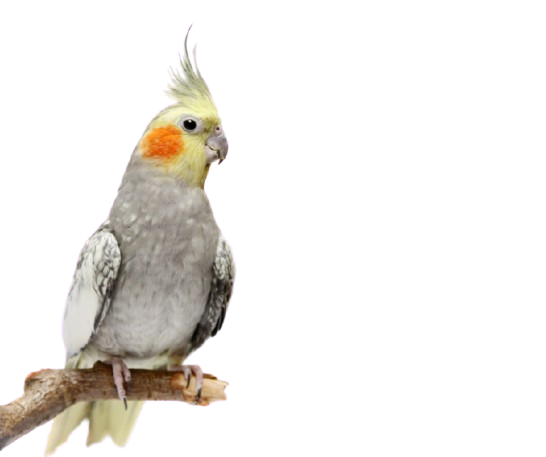
What Should You Look for When Buying a Cockatiel?
Buying a cockatiel is exciting, but even though they’re smaller and quieter than macaws, they’re still a lifelong companion that deserves careful consideration. At Cockatiel Companion Home, the most successful owners focus on the bird’s health, socialization, and history, not just the color of its feathers or its playful chirps.
A healthy cockatiel should be curious, active, and comfortable around humans, and the seller should provide documentation to verify its well-being. If a breeder or store won’t let you see where the bird was raised, or cannot explain its diet and care, that’s a red flag.
Key Takeaways
- Visual Health: Clear eyes, clean nostrils, smooth feathers, and no visible signs of stress or illness.
- Personality Check: A confident cockatiel is alert and curious, not lethargic or hiding in the cage.
- Documentation: Ask for avian vet records, hatch certificates, or proof of captive breeding.
- Reputable Breeder: A good breeder will ask questions about your home and lifestyle to ensure a proper match.
- Diet History: Make sure the bird has been exposed to a variety of high-quality pellets, fresh fruits, vegetables, and occasional seeds—not just sunflower seeds.
Evaluating Physical and Mental Health
Even with a smaller bird, the details matter:
- Feathers and Skin: Smooth, vibrant plumage without bald patches or stress bars.
- Eyes and Beak: Clear, bright eyes and a clean, well-shaped beak.
- Vent Area: Clean and dry, showing healthy digestion.
- Behavior: A well-socialized cockatiel may hop onto your hand, chirp, or investigate toys. Avoid birds that are overly fearful or aggressive, as this indicates poor early handling.
Choosing the Right Source
Where you buy matters as much as what you buy.
- Breeder vs. Pet Store: Specialized breeders tend to know the bird’s lineage and history. Pet stores can be okay, but ask lots of questions.
- Environment: A clean cage and fresh water are essential. A bird raised in unsanitary conditions may have health issues later.
- Parents and Lineage: Even if you can’t see the parents in person, breeders should provide photos or details about their health and temperament.
Paperwork and Health Guarantees
Cockatiels don’t require CITES permits, but documentation is still important:
- Hatch Certificate: Confirms the bird was captive-bred.
- Avian Vet Check: Ideally, the breeder provides a health guarantee allowing a visit to your own avian vet shortly after purchase.
- Diet History: Ensures a smooth transition to your home without digestive stress.
Questions to Ask the Breeder
- How was the chick raised—hand-fed or parent-raised?
- How much daily human interaction does it get?
- What foods has it been eating regularly?
- Has it been exposed to other birds or household pets?
- Are there any known health issues in the lineage?
Conclusion
Buying a cockatiel is a long-term commitment. A healthy, well-socialized bird with proper documentation will provide years of companionship and joy. Take your time, ask detailed questions, and trust your instincts—if something seems off, it’s worth walking away. A little diligence at the start can prevent years of stress later.
Frequently Asked Questions
Should I buy a baby cockatiel or adopt an older one?
- Baby cockatiels are easier to bond with and may adapt more readily to your household routine.
- Adult cockatiels can be incredibly rewarding, as their personalities are already established, but they may need patience if they have previous behavioral or health issues.