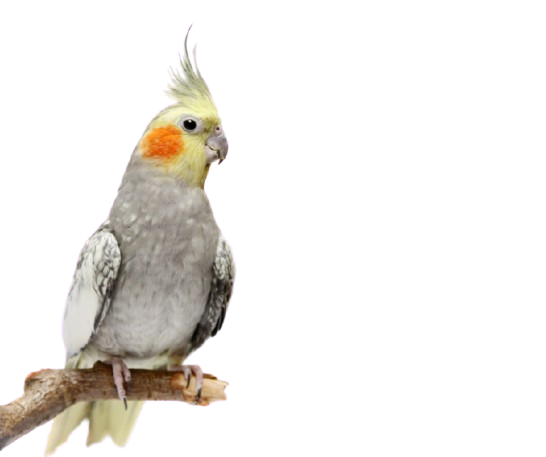
Are Cockatiels Legal to Own in Every State?
If you’re asking, “Are cockatiels legal to own in every state?”, the good news is that the answer is almost universally yes. Cockatiels are popular companion birds, small, non-aggressive, and not considered dangerous wildlife. That said, there are a few legal “asterisks” you should know about depending on where you live.
While cockatiels aren’t classified as “exotic dangerous animals,” some states or local municipalities may have restrictions on exotic pets in general, especially in apartments or HOAs with strict pet policies. Certain countries and U.S. territories, like Hawaii, may have stricter quarantine and import requirements even for small birds, so always check the local regulations before buying or transporting your bird.
Key Takeaways
- General Legality: Cockatiels are legal in nearly all U.S. states.
- Local Rules Matter: Cities, counties, or HOAs may impose their own rules on exotic or loud pets.
- Import Restrictions: Territories like Hawaii have strict quarantine laws for all birds, including cockatiels.
- Permits: Some states may require a small permit or registration for any bird, but this is uncommon for cockatiels.
- Documentation: Always keep records of where your bird came from, especially if adopting from a rescue or breeder.
Understanding Local and Federal Rules
Even though cockatiels are low-risk, legality isn’t just about “can I own it?” It’s about being compliant with local ordinances. For example:
- HOAs and Rentals: Some neighborhoods or apartment complexes prohibit birds larger than a parakeet, so check before bringing one home.
- Importing or Moving: Moving to a new state rarely requires permits for cockatiels, but if you are shipping internationally or to a territory like Hawaii, quarantine paperwork may be needed.
- Endangered Species Law: Cockatiels are not endangered, so CITES regulations and federal endangered species laws don’t apply.
Practical Tips for Legal Ownership
- Check HOA or Rental Agreements – Ensure your living situation allows birds.
- Check Local Ordinances – Some cities have noise or exotic pet restrictions.
- Buy from Reputable Sources – Keep hatch certificates or proof of legal acquisition.
- Keep Documentation – Health certificates, vet records, and breeder information can be essential if you move or board your bird.
Conclusion
For 99% of prospective owners, cockatiels are fully legal to own in the U.S. Owning a cockatiel is low-risk legally, but being a responsible owner means understanding your local rules and keeping your bird’s paperwork organized. At a reputable breeder or rescue, your bird will arrive with all documentation needed, making compliance effortless.
Frequently Asked Questions
Do I need a permit for a cockatiel?
In most cases, no. Only a few municipalities or special territories may require minor permits or registration, but cockatiels are generally exempt from exotic species restrictions.
Can I move to another state with my cockatiel?
Yes. Unlike endangered macaws, cockatiels usually do not require special paperwork for interstate travel within the U.S., though always check airline or carrier regulations.