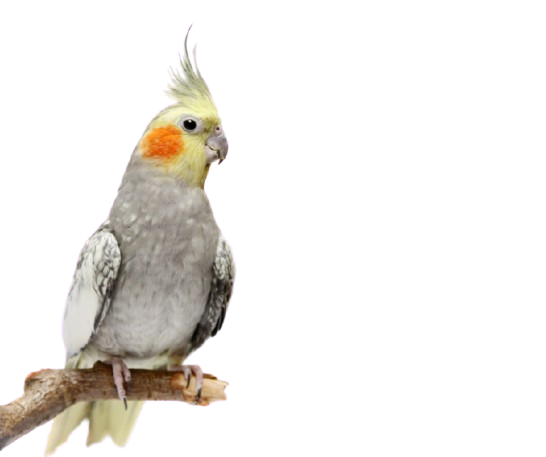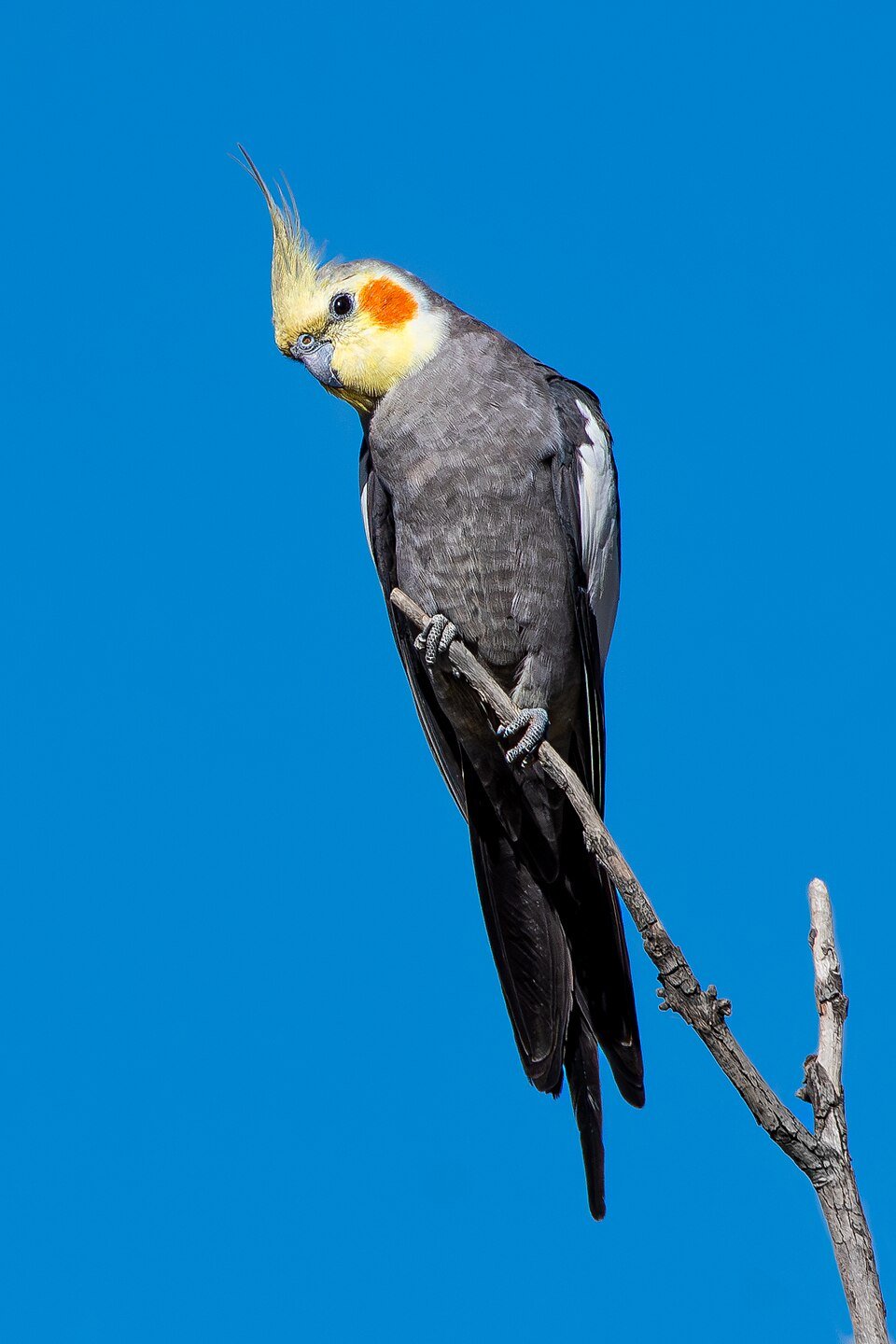
Are Cockatiels Legal to Own in Every State?
Are Cockatiels Legal to Own in Every State and can you keep them without jumping through endless bureaucratic hoops? That is a massive question I get from people all over the country who are excited about adding a feathered member to their family. Generally speaking, yes—cockatiels are widely legal across the United States because they are considered common household pets, unlike some of the more restricted exotic species. However, just because they are legal federally doesn’t mean your specific city, county, or even your apartment building doesn’t have its own set of rules. I have seen folks get caught off guard by local ordinances that limit the number of birds or even restrict certain species entirely, so it is always, always worth doing a quick check of your local town hall website before you commit.
Key Takeaways
- Broadly Legal: Cockatiels are not on the “injurious wildlife” or endangered species lists that trigger federal bans in most states.
- Check Local Ordinances: Always look into your city or county bylaws; your neighbors or landlords might have stricter rules than your state does.
- The “Exotic” Label: While often called “exotic” because they aren’t dogs or cats, cockatiels are firmly established as domestic pets.
- Importing Rules: If you are moving to the U.S. from another country, the rules for bringing your pet are very different from simply buying one within state lines.
- Responsible Ownership: Being a “legal” owner also means following state laws regarding animal welfare and proper care standards.
Are Cockatiels Legal to Own in Every State: Understanding the Nuance
When people ask me Are Cockatiels Legal to Own in Every State, they usually want to know if they are going to get into trouble for having one in their living room. I usually tell them: “You are almost certainly in the clear, but don’t just take my word for it.”
I have spent years breeding these birds, and I have shipped them to families in almost every corner of the country. In all that time, I have never seen a state-wide ban on the common cockatiel. Unlike Quaker parrots—which are famously illegal in several states because they are considered an agricultural pest—the cockatiel is treated as a standard companion bird. They aren’t invasive, they don’t threaten native crops, and they have been a staple of American households for generations. But, and this is a big “but,” I think it’s easy to forget that local laws can be more restrictive than state ones. Your HOA (Homeowners Association) might have a rule against “exotic” animals, even if the state government doesn’t care.
Why Some States and Cities Have Rules
It’s easy to get frustrated by red tape, but some of these rules actually come from a place of protecting the environment. When you look at why some states ban certain birds, it’s usually because of the risk of them escaping and becoming an invasive species. Thankfully, cockatiels—while tough little survivors—aren’t typically seen as a threat to local ecosystems in the way some other species are.
I’ve had conversations with customers in states with very strict wildlife laws, and even there, the cockatiel is almost always on the “exempt” or “allowed” list. It’s a huge relief for a breeder like me, but it doesn’t mean you should ignore your local animal control department. I always tell my clients: “Make a single phone call to your local city office. It takes five minutes, and it gives you total peace of mind.”
Navigating Legal Requirements for Breeders and Owners
If you are just a pet owner, you have it easy. You don’t need a USDA license, you don’t need to register your bird, and you don’t need a permit. The regulations really start to kick in when you are selling them. If you’re like me and you’re breeding birds, you have to keep an eye on USDA standards.
I’ve had to adapt my facility to meet updated welfare guidelines, which, in my opinion, is a good thing. It forces everyone in the industry to step up their game. If you’re buying from a breeder, look for one who is transparent about how they care for their birds. If they are following the rules, they’ll be happy to talk about it.
User Guide: What to Verify Before You Buy
Before you settle on a breeder, do these three things:
- Check Local Zoning: Does your city have a limit on the number of pets? Some places have “pet limits” that apply to the total number of animals in a household.
- Check Your Rental Agreement: If you live in an apartment, check your lease. It doesn’t matter if the state says they are legal if your landlord says “no pets.”
- Confirm the Species: Just to be safe, make sure you know exactly what you are getting. Sometimes, people confuse similar-looking birds. Stick to the cockatiel (Nymphicus hollandicus) to keep things simple.
Top Species for Enthusiasts
- The Classic Grey: Hard to beat. They are the standard and have the fewest issues.
- The Lutino: Stunning yellow coloration. Always a favorite.
- The Pied: A beautiful, spotted look that makes every bird unique.
- The Pearl: Known for their intricate, lacy wing patterns.
A Note on Traveling With Your Bird
One thing I see people mix up is the difference between owning a pet and importing a pet. If you are moving to the United States from abroad, the rules are completely different. You’ll need permits from the USDA and the Fish and Wildlife Service. But for those of us already here, buying a bird from a local breeder or a nearby state is usually a straightforward transaction.
Conclusion: Enjoying Your Feathered Companion
So, to wrap up the question of whether it’s legal: yes, for the vast majority of you, owning a cockatiel is perfectly fine. The legal hurdles are minimal for pet owners, and the joy of having one is immense. Just do your due diligence at the local level, make sure your housing situation allows for it, and then focus on the most important part: providing a loving, safe, and clean home for your new friend. I’ve seen enough people start this journey to know that when you do it right—by being informed and responsible—you are setting yourself up for fifteen to twenty years of wonderful companionship.
Frequently Asked Questions
Q: If I move to a new state, do I need to register my pet cockatiel with the local government or get a new permit to keep it?
A: In almost every case in the United States, the answer is no. Cockatiels are not classified as dangerous or exotic wildlife that require registration or special permits for private ownership. As long as you are moving into a private residence that allows pets, you do not need to notify the government or obtain a permit to keep your pet bird. However, if you are moving into a specific type of housing like a subsidized apartment or a facility with a strict pet policy, you should always review your lease or the building’s house rules just to be absolutely sure, as those private contracts are separate from state law.