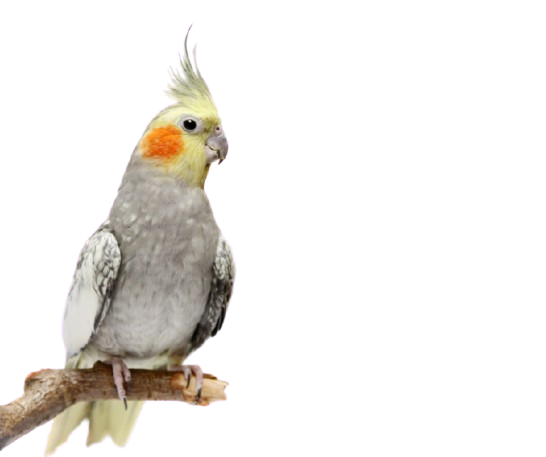
Different Breeds of Cockatiels
Hello, I’m Michael Anderson, founder of Cockatiel Companion Home. I’ve spent years raising, studying, and working hands-on with cockatiels. Many people dream of welcoming a cockatiel into their home, but they’re often unsure about which variety is right for them or what to expect in terms of care, personality, and long-term commitment.
This guide is here to help.
We’ll explore the different breeds (or color mutations) of cockatiels, their personalities, care requirements, and what sets each variety apart. My goal is simple: to give you honest, experience-based knowledge so you can make an informed decision and build a successful, lifelong bond with the right cockatiel for your home.
Key Takeaways
Personality Varies by Variety
While all cockatiels are social and intelligent, their temperaments differ slightly depending on mutation, age, and early handling.
Size & Physical Differences
Cockatiels are small birds, but some varieties may have subtle differences in feather density, crest size, or body structure that affect grooming and handling.
Vocalization Levels Differ
All cockatiels can whistle and chirp, but some varieties may be slightly more talkative or vocal than others — important if you live in shared spaces.
Time & Engagement Requirements
Cockatiels need daily interaction, enrichment, and mental stimulation. Some more energetic varieties will need additional playtime and attention.
Lifespan & Long-Term Care
Cockatiels typically live 15–25 years, sometimes longer. Choosing the right variety and preparing for long-term care is essential for a healthy, happy bird.
Understanding the Different Breeds of Cockatiels: More Than Just Color
Cockatiels are admired for their crests, colors, and charming personalities, but appearance is only a small part of the story. They are emotionally aware, intelligent, and social. They form strong bonds, can learn tricks and whistles, and thrive with structure, enrichment, and human interaction.
At Cockatiel Companion Home, our mission isn’t just to place birds — it’s to ensure every cockatiel is matched with a home that understands its needs. Education is everything. When owners understand the differences between cockatiel varieties, success and happiness follow.
A Closer Look at Popular Cockatiel Varieties
- Normal Grey Cockatiel
The classic cockatiel look: grey body, yellow face (male), and orange cheek patches. Known for affectionate, social, and playful personalities.
Best for: Families or first-time cockatiel owners seeking a friendly, adaptable companion. - Lutino Cockatiel
Bright yellow with red-orange cheeks and red eyes. Lutinos are energetic, outgoing, and highly interactive.
Best for: Owners who enjoy playful, attention-loving birds. - Pearl Cockatiel
Patterned feathers create a “pearl” effect. Pearls are often calm, friendly, and affectionate.
Best for: Homes seeking a visually striking but gentle bird. - White-Faced Cockatiel
White or pale faces with grey bodies, lacking the typical orange cheek patch. They are intelligent, calm, and sometimes more reserved.
Best for: Owners seeking a quieter, thoughtful companion. - Cinnamon, Pied & Other Mutations
Cinnamon cockatiels have warm brown tones, Pieds have mixed coloration, and other mutations exist with unique feather patterns. These birds are curious, playful, and engaging.
Best for: Owners wanting variety in appearance while enjoying standard cockatiel temperament.
Choosing a Reputable Cockatiel Breeder
Selecting the right breeder is just as important as choosing the right bird. A reputable cockatiel breeder should:
- Be transparent about breeding and rearing practices
- Provide health records and vaccination history if applicable
- Offer post-placement guidance
- Match birds to homes thoughtfully
- Have real, hands-on experience with cockatiels
At Cockatiel Companion Home, we focus on ethical breeding, early socialization, and long-term support. We don’t just place birds — we build lifelong relationships with the families who welcome them.
Conclusion
Choosing a cockatiel is not just about color or size — it’s choosing a lifelong companion who will share years of your life. Understanding the differences between cockatiel varieties ensures you select a bird that matches your household, lifestyle, and expectations.
With the right knowledge, careful selection, and ongoing guidance, cockatiel ownership can be one of the most rewarding experiences of your life.
Frequently Asked Question
Q: What are the key differences between more active and calmer cockatiel varieties?

A: Energetic varieties, like Lutinos, may demand extra playtime, interaction, and enrichment to stay happy. Calmer varieties, like Pearls or White-Faced cockatiels, may be more independent, quieter, and require less hands-on activity. The key is matching a variety to your daily routine and lifestyle to ensure a balanced, happy bird.