Different Breeds of Cockatiels
Different breeds of Cockatiels don’t actually exist in the scientific sense, though you’ll often hear people use the term “breeds” when they’re really talking about the stunning variety of color mutations. As a breeder who has spent years working with these wonderful birds, I find it fascinating how often new owners come to me asking for a “Lutino breed” or a “Pied breed,” only to learn that they are all one species—Nymphicus hollandicus—wearing different, genetically inherited coats. Think of it like different hair colors in humans; the underlying bird is the same, but the way they express pigment can make one look like a bright, sunshine-yellow beauty and another like a sophisticated, slate-grey classic. Getting to know these variations is the first step in finding the perfect feathered companion for your home.
Key Takeaways
- No Different Breeds: All cockatiels belong to the same species; the variety you see is due to genetic color mutations, not different breeds.
- Understanding Mutations: Mutations are categorized into sex-linked, recessive, and dominant traits, which dictate how colors like yellow, white, and grey appear.
- The “Normal” Foundation: The wild-type or “Normal Grey” is the base from which all other mutations have been selectively bred over time.
- Choosing Your Look: Whether you prefer the striking contrast of a Whiteface or the gentle, mottled pattern of a Pearl, there is a mutation to suit every personality.
Getting to Know the Different Breeds of Cockatiels (Color Mutations)
When you’re diving into the world of different breeds of cockatiels, it’s helpful to shift your mindset from “breeds” to “mutations.” I’ve spent countless hours in the aviary, and I’m always struck by how a single genetic change can completely transform a bird’s appearance. These mutations—like the Lutino, Pied, or Pearl—are essentially the result of selective breeding that highlights specific colors or patterns.
It’s a bit like an artist’s palette. We have the “base” color, which is the Normal Grey, and then we have the mutations that strip away or add pigments. When you’re researching different breeds of cockatiels, you’re really looking at the genetic expression of these pigments. Some birds have their yellow and orange colors suppressed, leading to the sleek, monochrome look of the Whiteface, while others, like the Lutino, lose the grey pigment entirely, resulting in that iconic yellow-and-white look.
The Most Common “Breeds” and Mutations Explained
While there aren’t different breeds of cockatiels, the variety in plumage is so vast that it’s easy to see why the term persists. If you’re looking at different breeds of cockatiels for your home, here are some of the most popular patterns I see in my own breeding programs:
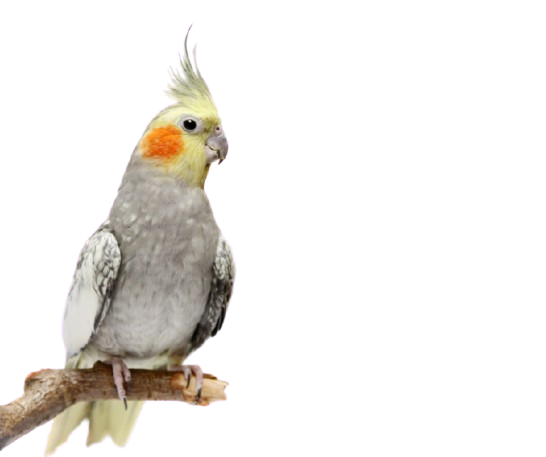
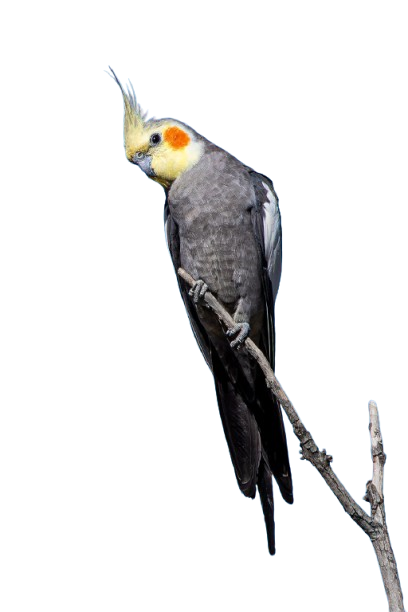
- Normal Grey: The original wild-type. Males have bright yellow faces with vibrant orange cheek patches, while females have more muted coloring.
- Lutino: A crowd favorite. These birds are almost entirely yellow or white with striking red eyes. Be aware that because of their genetic history, they sometimes have a small “bald spot” behind their crest.
- Pied: These birds are a patchwork of color. They have irregular patches of yellow or white on a grey (or sometimes cinnamon) body. No two Pieds are exactly alike, which I think makes them incredibly special.
- Pearl: Sometimes called “lace-winged,” these birds have beautiful, mottled feathers. Each feather has a different-colored edge, creating a scalloped look.
- Whiteface: These birds lack the psittacofulvin pigments—the yellow and orange ones. They appear in shades of grey, white, and charcoal, which gives them a very elegant, understated appearance.
How to Choose the Right One for You
When people ask me which of the different breeds of cockatiels they should choose, I usually tell them that the color is secondary to the bird’s personality. Every bird is an individual. I’ve had very docile, sweet-natured Lutinos and some quite spirited, energetic Normal Greys. When you’re browsing for different breeds of cockatiels, don’t get so caught up in the “look” that you ignore the temperament.
However, I understand that the aesthetic matters too! If you are attracted to the look of a Whiteface but want the bold personality of a Grey, you might want to look for cross-mutations. Because there are no different breeds of cockatiels, these combinations are very common.
A Breeder’s Guide to Selection
If you’re ready to bring one home, here is my personal advice for selecting a healthy bird, regardless of which different breeds of cockatiels you prefer:
- Check the Eyes: They should be clear, bright, and free of any discharge.
- Observe the Energy: A healthy cockatiel should be alert and active. Avoid birds that look perpetually fluffed up or lethargic.
- Inspect the Feathers: Look for smooth, clean plumage. If the bird is a Lutino, you’ll likely see the characteristic bald spot, but it shouldn’t be excessively large or irritated.
- Ask About Socialization: This is the most important part! A bird that has been handled regularly by the breeder will be much easier to bond with.
Conclusion
While we’ve explored the different breeds of cockatiels, it’s clear that their beauty comes from the amazing diversity of their genetics rather than separate species. Whether you decide on a striking Whiteface or a classic Normal Grey, you are getting the same intelligent, affectionate, and charming companion. My final piece of advice is to enjoy the journey. Selecting your bird is just the beginning of a long, whistle-filled friendship. Once you bring your new companion home, you’ll find that their “breed” matters far less than the bond you’ll build together.
Frequently Asked Questions
Q: If there aren’t different breeds of cockatiels, how do I know if I’m getting a male or a female?
A: That’s one of the most common questions I get! Because there are no different breeds of cockatiels, sexing can sometimes be tricky. In “Normal” grey cockatiels, it’s easier: adult males have bright yellow faces and vibrant orange cheek patches, while females have more muted, greyish faces. However, with many color mutations (like the Pied or Lutino), visual sexing is almost impossible. I always recommend a DNA test if you need to be 100% sure, or observing their behavior—males are typically much more vocal, prone to whistling, and will often display by strutting or tapping their beaks.