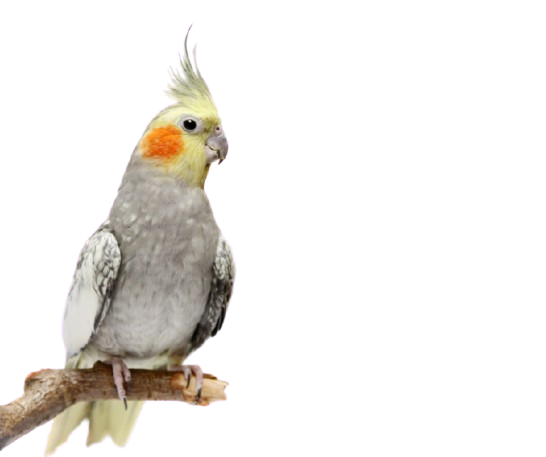
How Do I Socialize My Cockatiel With Other Pets?
Introducing a cockatiel to a home with other animals requires patience, careful planning, and safety. Cockatiels are small, delicate birds, and dogs or cats are natural predators. Successful introductions involve controlled steps, slow progression, and positive reinforcement.
At THE COCKATIELS FOR SALE HOME, we stress: the goal isn’t for your cockatiel to be “best friends” with the other pets—it’s safe, calm coexistence.
Key Takeaways
- Safety First: Never leave cockatiels alone with cats, dogs, or small mammals.
- Scent Introduction: Swap towels or toys so each animal can get used to the other’s scent before meeting.
- Visual Barriers: Use cages or play stands for initial face-to-face encounters.
- Positive Reinforcement: Reward calm, relaxed behavior in all pets.
- Commands Matter: Teach dogs “Stay” and “Leave it” to prevent accidental harm.
Step 1: Scent and Sound Introduction
Before your cockatiel meets other pets directly:
- Swap towels or toys between the cockatiel and the other pet.
- Allow them to explore these scents safely, rewarding calm behavior.
- Let the cockatiel hear other pets from behind a door to get used to their sounds.
This builds a positive association without stress.
Step 2: Controlled Visual Exposure
- Keep the cockatiel in a secure cage during first meetings.
- Dogs should be leashed, and cats monitored from a safe distance.
- Reward both the cockatiel and the other pet when they remain calm.
- Gradually shorten the distance over multiple sessions—never force contact.
Step 3: Manage Predator Instincts
Cockatiels are tiny and fragile, so training the other pets is essential:
- Dogs: Commands like “Stay” and “Place” prevent accidental lunges.
- Cats: Keep a close watch; even playful swipes can be dangerous.
- Other Birds: Be cautious introducing cockatiels to larger birds; small birds can be injured in rough play.
Step 4: Out-of-Cage Interactions
When your cockatiel is outside the cage:
- Use a play stand or safe perch to give them a sense of security.
- Keep a safe distance from dogs, cats, and other pets.
- Only allow close encounters under strict supervision.
The goal is calm coexistence, not forced friendship.
Recommended Cockatiels for Multi-Pet Homes
Some cockatiels are more adaptable to multi-pet households:
| Type/Color | Temperament | Compatibility |
|---|---|---|
| Normal Grey | Friendly, calm | Great with supervised pets |
| Lutino | Social, gentle | Very adaptable but still fragile |
| Pied | Curious, energetic | Needs close supervision |
| Cinnamon | Calm, affectionate | Good, but may startle easily |
Common Mistakes to Avoid
- Forcing interaction between the cockatiel and other animals.
- Ignoring the original pets’ routine, which can cause jealousy.
- Leaving pets unsupervised together—even with a secure cage.
Conclusion: A Lifelong Commitment
Socializing a cockatiel with other pets is ongoing. Your role is to supervise and maintain calm interactions. Even small wins, like a cockatiel happily playing on its perch while a dog naps nearby, are a sign of success.
Patience, slow introductions, and positive reinforcement are key to a peaceful, multi-pet home.
FAQ
Can a cockatiel be left alone with a cat if it’s in a cage?

Even in a secure cage, it’s not recommended. Cats can stress birds for hours, causing screaming, feather plucking, or injury. Always supervise or separate them in different rooms.
At THE COCKATIELS FOR SALE HOME, we guide owners to create safe, stress-free relationships between cockatiels and other household pets. Calm supervision, positive reinforcement, and patience are the foundation for a happy, harmonious home.