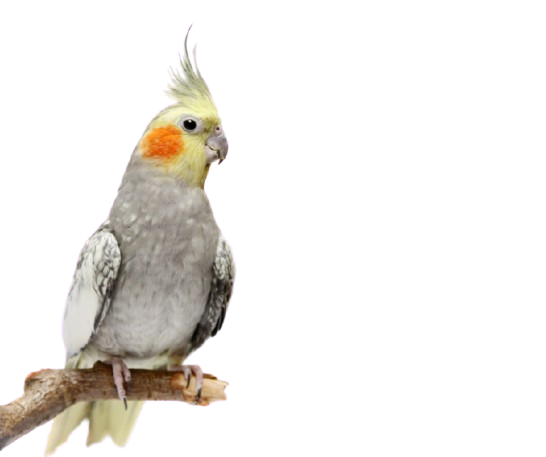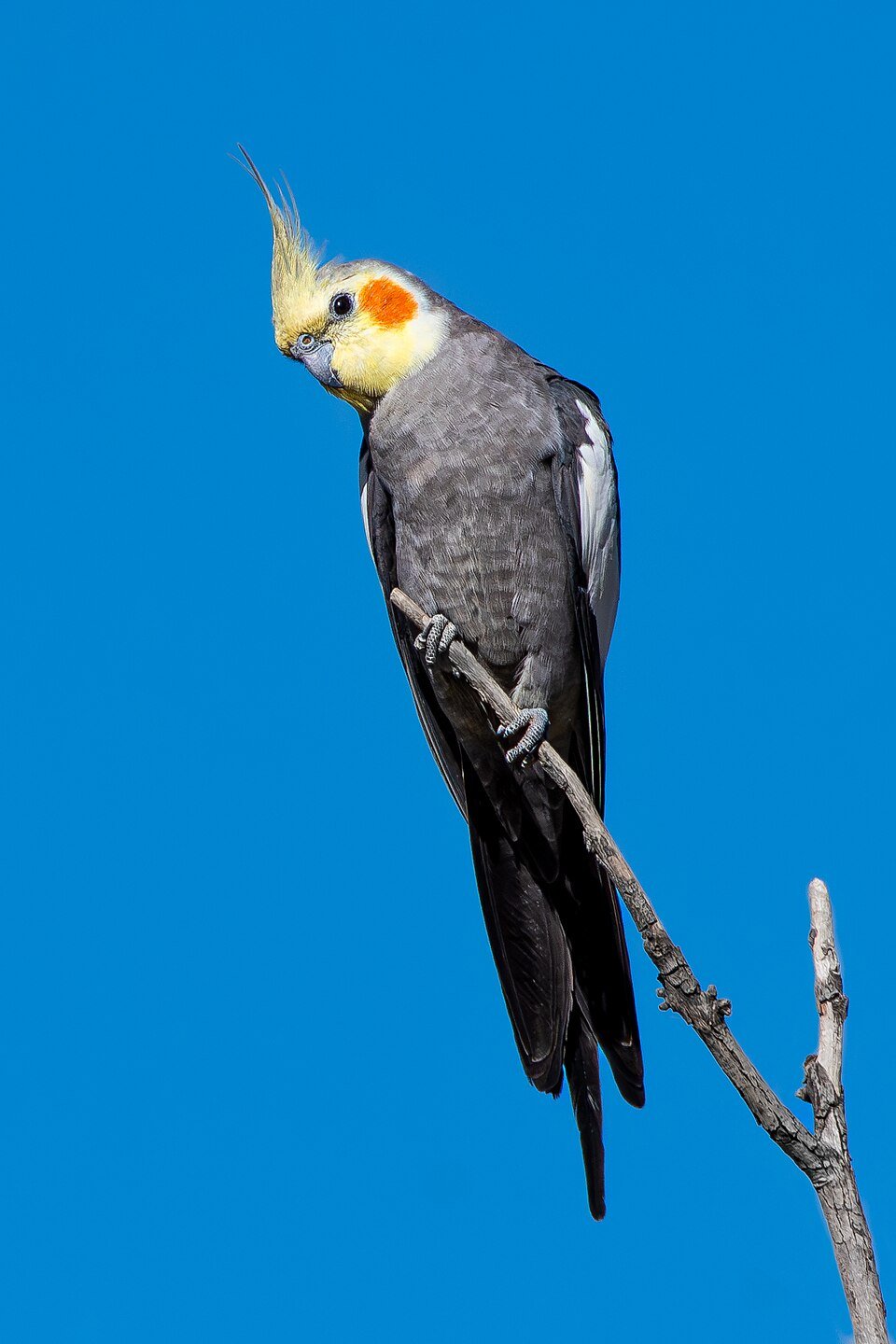
How Do I Socialize My Cockatiel With Other Pets
How Do I Socialize My Cockatiel With Other Pets? It is perhaps the most nerve-wracking question I hear from new bird owners who already share their homes with cats, dogs, or even other birds. Honestly, I think we sometimes underestimate just how delicate that initial introduction really is. Cockatiels are small, prey animals at heart, and even the most “friendly” dog or cat can have predatory instincts that trigger unexpectedly. Bringing a new bird into a multi-pet household isn’t something you can just wing; it requires a calculated, slow, and often frustratingly patient approach that prioritizes the bird’s safety above everything else. In this guide, I’ll walk you through how to manage these interactions, why “supervision” is the bare minimum, and how to tell if your home environment is truly ready for a feathered addition.
Key Takeaways
- Safety First: Predators and prey animals should never be left unsupervised; the risk to a cockatiel is simply too high.
- The “Slow” Rule: Never rush the introduction. Start with visual contact from across the room and only progress when all animals are calm.
- Training Matters: Ensure your dog has a solid “leave it” command before you even consider bringing a bird into the same shared space.
- Territory Boundaries: The bird’s cage must remain a “safe zone” where no other pet is allowed to loiter or pester them.
- Read the Signals: Learn to recognize the signs of stress in your cockatiel—panting, frantic flight, or a flattened crest—and remove them from the situation immediately.
The Reality of Multi-Pet Households
When you ask How Do I Socialize My Cockatiel With Other Pets, the blunt truth is that you are essentially asking how to mitigate natural instincts. A cat that has spent years chasing laser pointers or toy mice will always have a hunting drive. I’ve seen some wonderful success stories, but I’ve also seen the alternative. It’s important to acknowledge that some pets simply might not be compatible with a free-roaming bird.
If you have a high-prey-drive dog or a cat that is constantly stalking the cage, you need to be honest with yourself: is the risk worth it? I often tell my clients that “socializing” doesn’t necessarily mean the pets need to be best friends. Sometimes, “socializing” just means peaceful coexistence where the bird feels secure. If your bird is constantly looking over its shoulder, it isn’t being socialized; it’s being terrorized. And that stress can absolutely impact their lifespan and overall temperament.
Steps for a Gradual Introduction
If you are determined to integrate everyone, how do you do it? Start by accepting that this is a process measured in weeks, not hours.
- The Neutral Zone: Never introduce the pets in the bird’s “home” territory (the cage).
- Visual Observation Only: Let the dog or cat sit in the room while the bird is securely inside a sturdy cage. Observe everyone’s reactions. Is the cat obsessed with the cage? Is the dog pacing? If so, back off.
- Controlled Proximity: If everyone is calm, try holding the bird while someone else supervises the other pet. Do not let them touch. If things get tense, separate them immediately.
- Positive Reinforcement: Reward your dog or cat for ignoring the bird. Make “ignoring the bird” the most profitable behavior your other pet can exhibit.
Why Cockatiels Need a Safe Sanctuary
When discussing How Do I Socialize My Cockatiel With Other Pets, we have to talk about the cage. I cannot stress this enough: the cage is a sanctuary. It is where the bird eats, sleeps, and retreats when it’s feeling overwhelmed. If your cat is allowed to jump on top of the cage or your dog is constantly barking at it, you are effectively destroying that sanctuary.
Even if you have the best-trained pets in the world, accidents happen. I’ve heard countless stories of “my cat never did that before” right after a tragic incident. It is not worth the risk. Invest in a cage that is sturdy enough to withstand a bump or a jump, and keep it in a location where the bird can retreat to a quiet, undisturbed corner if things get too loud in the main living area.
Expert List of Tips for Different Household Dynamics
In my years as a breeder, I’ve found that specific dynamics require specific strategies. Whether you are in a bustling house in New York or a quiet rural home in the UK, these general rules usually apply:
- For Cat Owners: Cats have bacteria in their saliva that are fatal to birds. Even a small scratch from a cat’s claw can lead to a deadly infection within hours. Never allow a cat anywhere near a bird.
- For Dog Owners: Focus on the dog’s obedience. If your dog can’t stay calm when a toy is thrown, they aren’t ready to be near a flapping, squawking bird.
- For Other Birds: If you have other birds, quarantine the new cockatiel for at least 30 days. Don’t rush them into a shared space until you know everyone is healthy and the introduction is controlled.
Maintaining Balance in Your Home
When you focus on How Do I Socialize My Cockatiel With Other Pets, don’t forget the bird’s need for your attention. Sometimes, in our rush to make everyone get along, we accidentally ignore the bird. Spend one-on-one time with your cockatiel away from the other pets. Take them into a separate room to practice tricks or just to sit on your shoulder and preen. It reminds them that they are a priority and that you are their true “flock” member, regardless of what the other animals in the house are doing.
Conclusion: Knowing When to Say When
Ultimately, answering How Do I Socialize My Cockatiel With Other Pets requires a high level of vigilance and, quite frankly, a healthy dose of caution. You might find that your pets learn to ignore each other, which is the gold standard for success. However, you might also find that they are better off remaining separated forever. There is no shame in keeping your bird and your other pets in separate rooms when you aren’t around. In fact, for many owners, that is the most peaceful way to live. Prioritize your bird’s safety, keep your expectations realistic, and you’ll find that a multi-pet home can be a rewarding, albeit busy, place to be.
Frequently Asked Question (FAQ)
Q: If my dog barks at my cockatiel, does that mean they can never be together?

A: Not necessarily, but it definitely means you need to pause your efforts immediately. Barking is a sign of intense excitement, prey drive, or frustration—all of which are potentially dangerous emotions when directed at a small bird. Take a step back and stop all direct interactions. You need to focus entirely on your dog’s obedience training outside of the bird’s presence. Use a clicker or treats to reward calm behavior at a distance from the bird’s room. If your dog continues to react with high intensity even after several weeks of distance training, you might need to accept that the best “socialization” for this particular pair is a physical barrier that keeps them in separate, safe zones. Your bird’s sense of security is the most important thing, and a barking, lunging, or hyper-fixated dog will never allow a bird to feel truly safe.