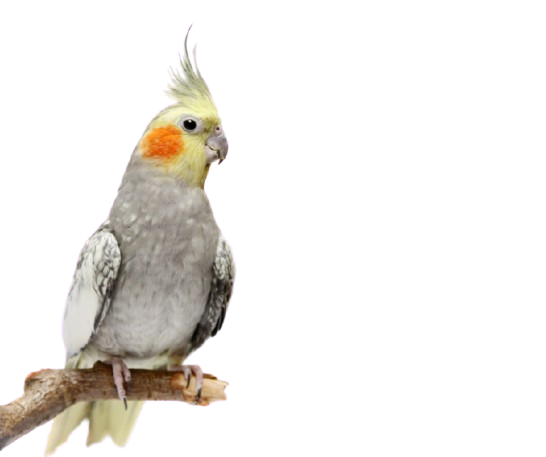
Should I Buy a Hand Fed or Parent Raised Cockatiel
Should I Buy a Hand Fed or Parent Raised Cockatiel? This is perhaps the most common dilemma I face when talking to prospective bird owners, and honestly, there isn’t a one-size-fits-all answer. It’s a decision that sets the entire tone for your relationship with your new feathered friend. A hand-fed cockatiel is typically more “people-focused” from the start because they’ve been socialized by humans during those critical early weeks, making them a popular choice for families and first-time owners. On the other hand, a parent-raised bird—often called an aviary bird—is raised by its own kind, which can make them more grounded in “bird” behaviors but potentially a bit more reserved when it comes to human interaction. Whether you prioritize a bird that is ready to step up and snuggle on day one or you have the patience to earn the trust of a more independent soul, understanding the trade-offs is key to a happy home.
Key Takeaways
- Hand-Fed vs. Parent-Raised: Hand-fed birds are usually more comfortable with human touch early on, while parent-raised birds are more “bird-like” and independent.
- The Socialization Factor: A hand-fed cockatiel is essentially “imprinted” on humans, which makes them easier to handle, though they still need consistent training.
- Patience is Everything: Parent-raised birds aren’t “untamable”—they just require more time, gentle persistence, and positive reinforcement to build a bond.
- Health and Instincts: Some argue that parent-raised birds have better natural instincts regarding preening and social cues, as they learn directly from their parents.
- The Human Connection: Regardless of how they were raised, the bond you build depends on your daily dedication, respect for the bird’s boundaries, and consistent, loving interaction.
Understanding the “Hand-Fed” Advantage
When people ask, Should I Buy a Hand Fed or Parent Raised Cockatiel, they are usually looking for that instant, friendly connection. Hand-fed chicks are pulled from the nest at a very young age and raised by a human caregiver. Because they see us as their primary source of food and comfort, they often lack that natural “flight or fight” response when a hand enters their cage.
I’ve worked with many hand-fed babies, and they are usually a joy for families. They don’t see humans as “predators” but as members of their flock. If you’re a first-time owner and feeling a bit nervous about the idea of taming a bird from scratch, a hand-fed cockatiel can really bridge that gap. They’re often ready to sit on a shoulder or step onto a finger almost immediately. Just remember—this doesn’t mean they don’t need training; even the friendliest bird needs consistent, positive reinforcement to remain well-behaved as they grow into adulthood.
The Case for Parent-Raised Cockatiels
Now, let’s talk about the other side of the coin. A parent-raised cockatiel is a bird that was left in the nest to be fed, warmed, and nurtured by its biological parents. Many experienced breeders—and I have some mixed feelings here, honestly—argue that these birds are more “balanced” because they learn everything a bird is supposed to know, like how to preen properly and how to interact with other birds without getting confused about their own identity.
Is a parent-raised bird right for you? If you’re someone who values natural behavior and doesn’t mind putting in a few weeks or even months of “trust-building” work, this might be your path. It can be incredibly rewarding to earn the trust of a bird that didn’t just “accept” you because you were the one holding the syringe. It’s a slower process, but once they choose you, it’s a very deep, earned bond. Sometimes I think we rush the process too much, and having a bird that understands its own instincts can actually make for a more confident companion in the long run.
What to Look for in a Reputable Breeder
Regardless of whether you choose a hand-fed or parent-raised bird, the who you buy from matters more than anything. If you’re browsing listings, look for a breeder who tracks the bird’s progress. Are they monitoring weights? Do they allow the chicks to fledge naturally?
A good breeder will be able to tell you exactly how their chicks were raised and how much social interaction they’ve had. If they seem cagey or can’t answer questions about their socialization routine, that’s a red flag. A bird that is “hand-raised”—meaning they were fed by hand but also given plenty of time to explore and interact—is generally the gold standard. You want a bird that isn’t just human-focused, but also curious, bold, and adaptable to new sights and sounds.
Tips for Bonding With Your New Companion
If you are wondering Should I Buy a Hand Fed or Parent Raised Cockatiel because you’re worried about the “taming” process, remember that both paths lead to the same goal: friendship.
- Start Slow: No matter how they were raised, give them space when they arrive. Your home is a big, scary place to a small bird.
- Positive Reinforcement: Use millet or favorite treats to reward them for stepping onto a perch or finger. Never force them.
- Daily Interaction: Even fifteen minutes of calm, quiet time talking to your bird goes a long way.
- Learn Their Language: Watch their crest and body language. If they lean away or hiss, respect that boundary. Trust isn’t demanded; it’s earned.
Conclusion: Making the Right Choice for Your Lifestyle
Deciding Should I Buy a Hand Fed or Parent Raised Cockatiel is ultimately about what you’re looking for in a companion and how much time you have to invest. If you have a busy household and want a bird that is comfortable with people right away, a well-socialized, hand-raised bird is often the smoothest transition. If you are looking for a project and appreciate the “wilder” side of cockatiel behavior, a parent-raised bird offers a unique, deeply rewarding experience. Both can live long, happy lives in your care, provided you give them the attention, high-quality nutrition, and safe environment they deserve. At the end of the day, you’re not just picking a bird; you’re picking a friend for the next two decades.
Frequently Asked Questions (FAQ)
Q: Can I still tame a parent-raised cockatiel if it’s already a few months old?

A: Absolutely! While it might take more patience than training a younger, hand-fed chick, parent-raised cockatiels are definitely capable of becoming wonderful, affectionate pets. The trick is to go at their pace. Spend time sitting near their cage, talking to them in a soft, low voice, and offering treats through the bars. Avoid trying to “grab” the bird, as this will only trigger their fear response. Instead, focus on building a positive association with your presence. It might take a few weeks or even months, but once they realize you are a source of safety and snacks, they can be just as bonded to you as any hand-fed bird. It really comes down to your consistency and how well you can read your bird’s comfort levels.