What Is the Average Price of a Cockatiel?
What Is the Average Price of a Cockatiel and what should you realistically expect to pay? That is the big question I get asked constantly by folks reaching out to my site, and honestly, the answer is a bit of a moving target. If you are looking for a simple number, you might see figures anywhere from $80 to over $400 depending on who you talk to, but the price tag usually reflects the quality of the bird’s upbringing, its age, and even its specific mutation. I’ve been around these birds for years, and I’ve learned that focusing only on the “average” price can be a mistake because you’re really looking for a companion that has been well-socialized and health-checked. It’s not just about the money; it’s about the value of a bird that’s ready to become part of your family.
Key Takeaways
- Price Range: Expect to pay between $80 and $400 for a healthy cockatiel, with rare mutations costing more.
- Upfront Costs: The bird itself is just the beginning; prepare for cage, travel carrier, and initial vet costs.
- The Breeder Advantage: Hand-raised birds from reputable breeders are often more expensive than pet store birds but are usually much friendlier and easier to bond with.
- Ongoing Maintenance: Don’t forget to budget for high-quality pellets, fresh produce, and potential annual avian vet visits.
- Quality Over Cost: A slightly higher price for a well-socialized, healthy bird is often cheaper in the long run than a “cheap” bird that requires immediate medical attention.
What Is the Average Price of a Cockatiel and Why Does It Vary?
When people ask me, “What Is the Average Price of a Cockatiel,” I always start by explaining that you are paying for more than just the bird. You’re paying for the time the breeder spent hand-feeding, socializing, and monitoring the bird’s health. If you see a cockatiel for $50, you might be getting a bargain, but you might also be getting a bird that hasn’t had much human interaction.
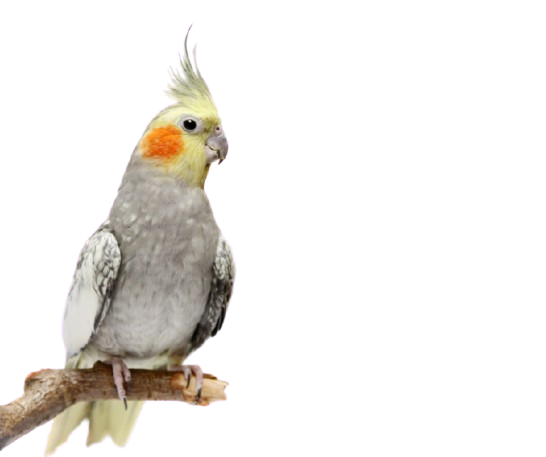
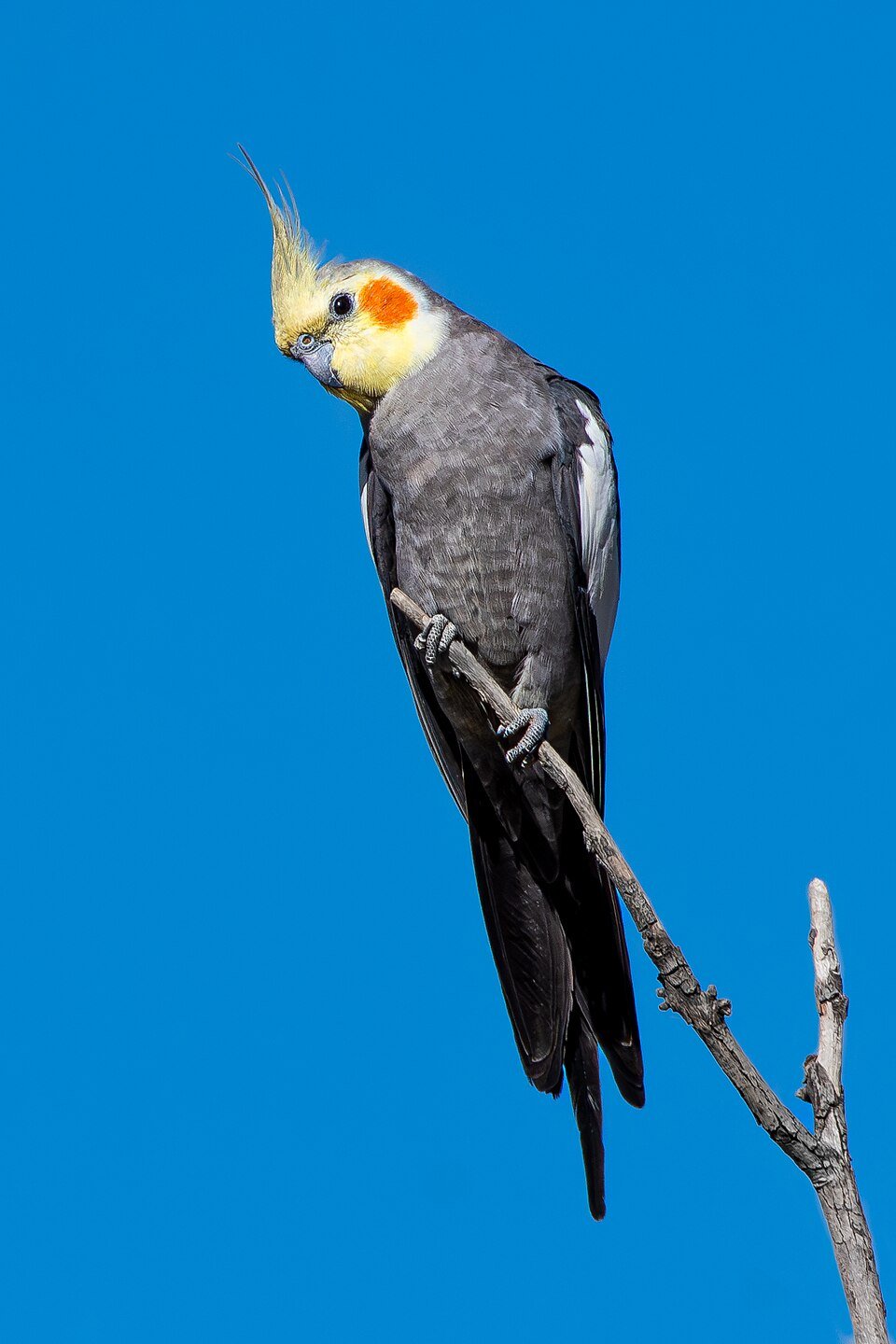
I think a lot of people make the mistake of assuming all cockatiels are the same, but the mutation—the color pattern—really changes things. A standard grey cockatiel is often the most affordable, while rare, striking mutations like a white-faced or certain pied varieties can command a higher premium. It’s a bit like looking for a car; the base model gets you where you’re going, but some folks just prefer a specific look.
Beyond the Sticker Price: The True Cost of Ownership
I feel like I need to be totally honest with you: the price of the bird is the “entry fee.” The real cost happens after you bring them home. When I talk to my clients, I emphasize that the cage is your biggest one-time investment. You shouldn’t skimp here. A cramped cage leads to a bored, unhappy bird, and trust me, you don’t want a bored cockatiel. They’ll find their own entertainment, which usually involves chewing your baseboards or screaming at the top of their lungs.
And then there are the recurring costs. I’ve seen people budget for food, but forget that birds need specialized care. You aren’t just tossing them a bit of birdseed and calling it a day. They need high-quality pellets, fresh, crisp veggies, and occasional fruits. It adds up, and I think it’s important to be realistic about those monthly expenses before you dive in. Perhaps consider setting aside a small “vet fund” every month—just in case.
Finding Reputable Sources in Your Area
If you are wondering where to find a bird, don’t just jump at the first ad you see on a social media marketplace. I really believe in supporting local, reputable breeders who care about the lineage and health of their flock.
How to Evaluate a Breeder
- Ask for references: A good breeder will be happy to talk about their process.
- Check the environment: Is the area clean? Do the birds seem alert and active?
- Look for health guarantees: Reputable folks stand behind the health of their birds.
- Ask about socialization: Hand-raised birds are significantly different from aviary-raised birds. They should be used to hands, voices, and daily household activity.
Species Spotlight: Common Mutations and Their Impact on Cost
Not all cockatiels are created equal, at least in terms of demand. You might find that a common Grey or Lutino is widely available and reasonably priced. However, if you are chasing a specific aesthetic—like a Platinum or White-Faced male—you might have to wait a while, and the price will certainly reflect that rarity.
I’ve always been a fan of the standard Grey. They’re classic, and they have such a sweet, humble personality. But I get it—the beauty of the Lutino or the Pearl is undeniable. Just keep in mind that the “average price” is heavily skewed by these specialized mutations. If you’re just looking for a best friend, the color really doesn’t matter much.
User Guide: What to Expect When You Bring Your Cockatiel Home
Bringing a new bird home is such an exciting time, but it’s also stressful for the bird. I always tell people to give them space for the first few days. Don’t crowd them. Just sit near the cage, speak in a soft, low voice, and let them get used to your presence.
- Preparation: Have the cage set up before you bring the bird home.
- Dietary Transition: Ask the breeder exactly what they’ve been feeding the bird so you can keep the diet consistent during the transition.
- Establish a Routine: Birds love predictability. Feeding and covering their cage at the same time every day makes a huge difference in their stress levels.
Conclusion: Making the Right Financial Commitment
So, what is the bottom line on the question “What Is the Average Price of a Cockatiel?” It really falls back on your goals. If you want a hand-raised, healthy companion from a breeder who knows the bird’s history, expect to spend between $150 and $400. Yes, you can find them cheaper elsewhere, but I’ve found that the peace of mind you get from a reputable source is worth every extra penny.
It’s a long-term commitment—these little guys can live for 15 to 20 years—so don’t let a $50 difference in the purchase price dictate your choice. Focus on the breeder’s ethics, the bird’s temperament, and your own readiness to provide a loving home. When you find the right bird, that initial cost becomes a distant memory compared to the years of companionship you’ll share.
Frequently Asked Questions
Q: Why do some cockatiels cost $80 while others from the same breeder might be $300?
A: It almost always comes down to the mutation and the bird’s training. Rare color mutations or birds that have undergone extra training—like stepping up on command or being used to a harness—will naturally cost more than a standard bird. Additionally, breeders sometimes have “show-quality” birds that are priced higher because of their conformation to breed standards, even if they aren’t necessarily “better” pets than their more affordable flock-mates. Always ask the breeder specifically why the prices differ; a good breeder will be transparent about whether the difference is just cosmetic or if it involves extra time and training.