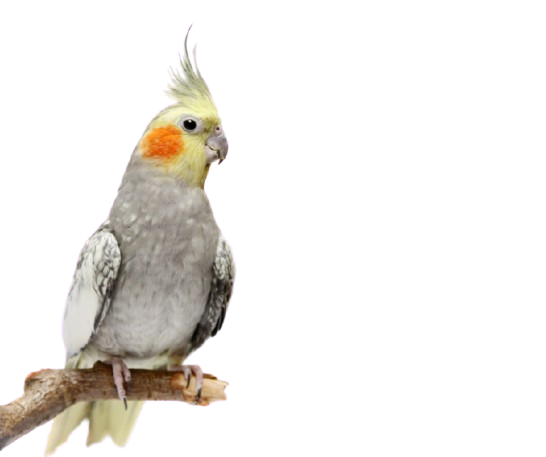
What Paperwork or Certificates Should Come with a Cockatiel
What Paperwork or Certificates Should Come with a Cockatiel? If you’re asking this, you’re already a step ahead of most people, and honestly, that’s exactly the kind of due diligence I like to see. When I hand over a bird to a new owner, I’m not just handing over a pet; I’m handing over a responsibility, a history, and a piece of my own hard work. You should absolutely expect a detailed record of your bird’s identity, health, and lineage. Without the right documents, you’re essentially flying blind, and that’s a position no bird owner should ever be in. From hatch dates and DNA sexing certificates to vaccination records and care guides, this paperwork is the bridge between a mystery bird and a well-documented family member, ensuring you have the data you need to keep your feathered friend thriving for years.
Key Takeaways
- Identification Records: Always request a hatch certificate and DNA sexing documentation so you know exactly who your bird is and their gender.
- Health Documentation: A reputable breeder provides a record of wellness checks, including any diagnostic test results like Psittacine Beak and Feather Disease (PBFD) or Chlamydia psittaci screening.
- Lineage Details: Pedigree information, while perhaps less critical for pets than show birds, helps you understand potential genetic health traits.
- Dietary Transition Logs: A “cheat sheet” on what the bird was eating—brand names, ratios, and treat preferences—is essential for avoiding stress-related hunger during the move.
- Transfer of Ownership: A written bill of sale or contract acts as your proof of purchase and usually outlines the breeder’s health guarantee.
Why Documentation Matters More Than You Think
When people reach out and ask What Paperwork or Certificates Should Come with a Cockatiel, they sometimes wonder if I’m being a bit bureaucratic. But let me tell you, it’s not about red tape; it’s about clarity. A bird’s health history isn’t something you can just “guess” at later on. If you ever run into a problem at the vet—and I hope you don’t, but it happens—your avian veterinarian is going to want to know, “Was this bird ever tested for XYZ?” or “What has this bird been eating for the last six months?”
If you don’t have the paperwork, you’re starting from zero. A good breeder provides a portfolio. I like to include a small care manual because even if you’ve read everything on the internet, my specific birds have their own quirks. Maybe yours loves broccoli but turns its beak up at kale. These little details are part of what I consider “necessary documentation.” I think a bird’s journey from my nursery to your home should be as seamless as possible, and paperwork is the roadmap.
Breaking Down the Essential Certificates
Let’s get specific. What Paperwork or Certificates Should Come with a Cockatiel isn’t a long list of nonsense; it’s a focused set of essentials.
- DNA Sexing Certificate: Cockatiels are often visually identical. If the breeder says “it’s a male,” how do they know? A DNA certificate from a lab is the only way to be 100% sure.
- Health Clearance: This is the big one. If you’re buying a cockatiel, you want to see proof that it has been examined by an avian professional. It shows the breeder is investing in the health of their flock.
- The Bill of Sale: This is your legal anchor. It should include the breeder’s contact info, the bird’s hatch date, the species/mutation, and the terms of any health guarantee.
- Microchip Records: Some breeders microchip their larger birds; if your cockatiel is microchipped, you better have that registration number.
Finding the Right Breeder
If you’re out there looking for a cockatiel and you encounter a breeder who says, “Oh, I don’t do paperwork, I just trust my birds,”—well, I’d be wary. Breeding isn’t just about pairing birds; it’s about management. Whether you’re looking in Virginia, Texas, or even internationally, the best breeders operate with transparency.
I’ve personally seen breeders who maintain digital portals for their customers where you can log in and see your bird’s entire history, from the day it cracked the egg. That is the kind of professional standard you should be looking for. It proves they aren’t hiding anything and that they take the long-term well-being of their birds—and the peace of mind of their customers—seriously.
A User Guide for Your New Bird
When you bring your bird home, don’t just shove the paperwork in a drawer and forget it. I suggest keeping a “bird binder.” Every time you visit the vet, add the visit report to that binder. If you have the original DNA certificate and the hatch date, staple them right to the front.
When you ask What Paperwork or Certificates Should Come with a Cockatiel, you are really asking how to become an informed, proactive owner. It makes you a better advocate for your bird. If your bird ever gets sick, you’ll have a complete history to hand to your vet, which can save them time and save your bird from unnecessary testing.
Conclusion: Securing Your Bird’s Legacy
At the end of the day, the paperwork you receive when you purchase a bird is the tangible proof of the care that went into its upbringing. By asking What Paperwork or Certificates Should Come with a Cockatiel before you buy, you are screening your breeder just as much as they are screening you. You’re looking for someone who values their own work enough to document it, and who values your future with the bird enough to make sure you have every advantage. Don’t settle for a “handshake deal” when you can have a documented history. It’s the difference between being a casual pet owner and being a truly prepared, compassionate bird guardian.
Frequently Asked Questions (FAQ)
Q: If I buy a cockatiel and the breeder says they lost the DNA sexing certificate, is that a red flag?

A: Honestly? It depends on the context, but it’s a warning sign. A reputable breeder who tests their birds for gender will have that certificate saved in their digital records or physical files—it takes literally ten seconds to print a duplicate or forward an email from the laboratory. If a breeder is casual about such a basic piece of documentation, it makes me wonder what else they are being casual about. Are they being casual about record-keeping for health tests? Are they being casual about their record-keeping for pedigree? While a lost piece of paper doesn’t automatically mean the bird is unhealthy, it does suggest a lack of organizational rigor. I’d advise you to ask them to contact the testing laboratory directly to get a new copy sent over, or if they can’t do that, consider how important the gender of your specific bird is to you before you move forward with the purchase.