Which Cockatiel Types Make the Best Pets?
Which Cockatiel Types Make the Best Pets and why do people always ask me this? It’s a fair question, honestly. When you’re looking to bring a bird into your home, you aren’t just picking out a color; you’re choosing a personality. I’ve been working with these birds for a long time, and I’ve seen that while every single bird is an individual—some are bold, some are shy, and some are just plain weird—there are definitely trends in how different types behave. I think it’s easy to get hung up on the aesthetics, but at the end of the day, you’re looking for a companion that’s going to hang out on your shoulder while you watch TV or follow you around the room. Let’s break down what makes certain “types” stand out, though keep in mind that a well-socialized bird is almost always going to be a better pet than a “rare” one that hasn’t been handled.
Key Takeaways
- Personality Over Color: While mutations like Lutinos or Pearls look stunning, a bird’s temperament is mostly defined by its early socialization with humans.
- The “Normal” Grey: Often underrated, the wild-type Grey is frequently the most robust and has a classic, predictable temperament.
- Male vs. Female: Males tend to be more vocal and “showy,” while females are often slightly more laid-back and affectionate.
- Hand-Raised Matters: Always, always look for a hand-fed baby. It’s the single biggest factor in how tame your bird will be.
- Commitment: Regardless of the type, these birds live 15 to 20 years. Make sure you’re ready for the long haul.
Which Cockatiel Types Make the Best Pets: A Breeder’s Perspective
If you’re staring at a list of color mutations—Lutino, Pied, Pearl, White-Faced—it can get overwhelming fast. When people ask Which Cockatiel Types Make the Best Pets, they often think the color tells them something about the bird’s “soul.” I’ve heard people claim that White-Faced birds are grumpier or that Lutinos are flighty. In my experience? That’s mostly myth.
A bird’s personality is forged in the first few weeks of life. When I hand-raise my babies, I’m talking to them, handling them gently, and introducing them to the sounds of a busy house. A “Normal Grey” that has been properly socialized is going to be a fantastic pet, often better than a “fancy” mutation that was left alone in a colony-style aviary. If you have to choose between a rare color and a well-adjusted bird, always pick the bird that wants to step up onto your finger.
Understanding the Differences in Cockatiel Mutations
While I maintain that personality is key, there are some minor observations I’ve made over the years regarding the different color types.
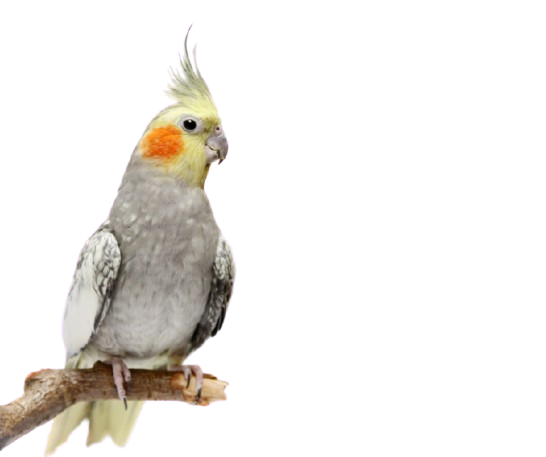
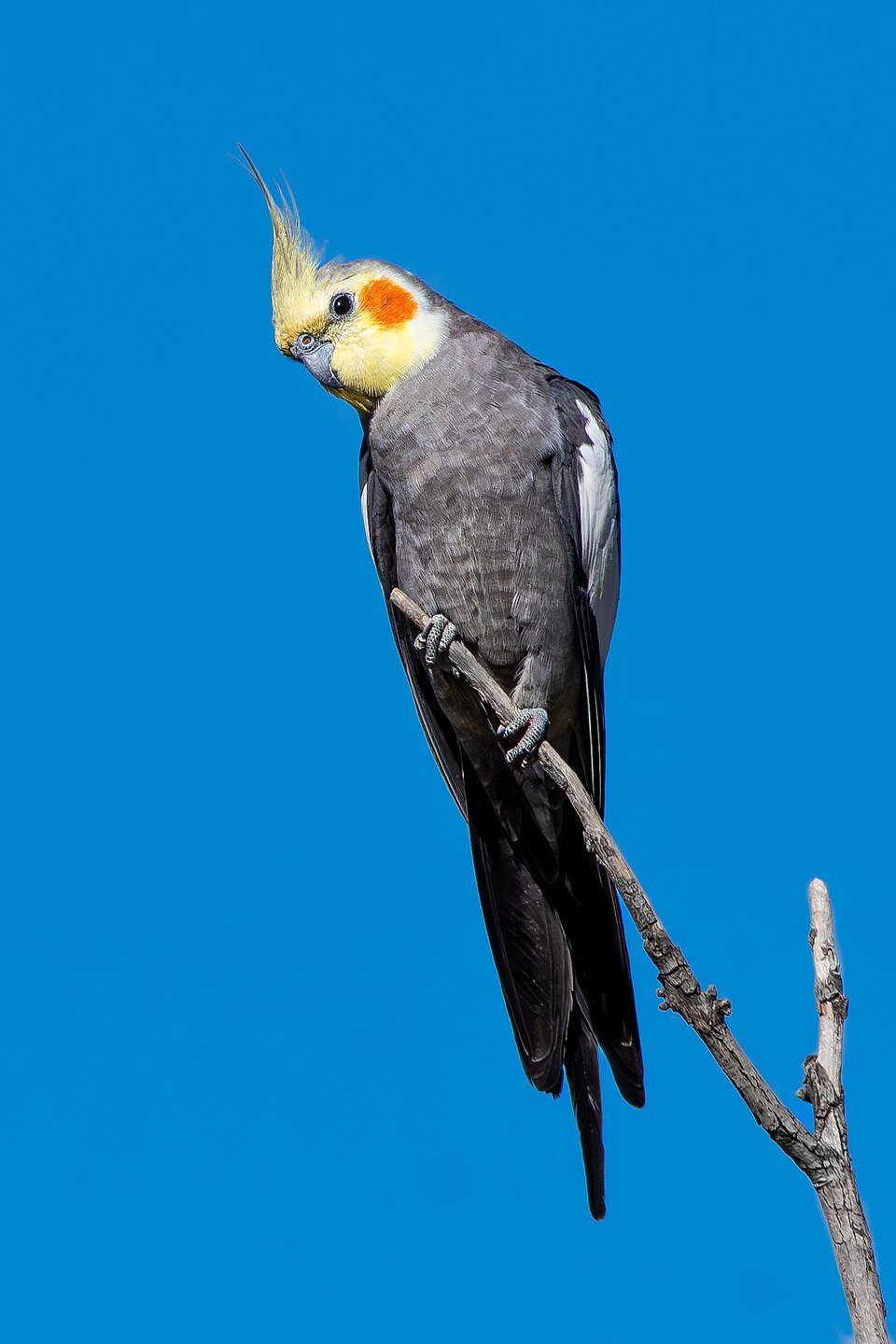
- The Normal Grey: These are the OG cockatiels. They are hardy, smart, and often have the most “stable” personalities. Because they haven’t been “bred down” for a specific look, they often retain the most natural, confident behavior of the species.
- The Lutino: These yellow-and-white beauties are incredibly popular. They are prone to a tiny bald spot behind their crest, which is just a genetic trait—nothing to worry about! They can be a bit more sensitive, but they are often very “cuddly.”
- The Pied: I love Pieds because no two are alike. You might get a bird that’s almost all yellow or one that’s mostly grey. They are usually very inquisitive.
- The Pearl: These birds have a beautiful scalloped pattern on their wings. They look like they’ve been painted. They are just as affectionate as any other type, though some folks swear they are a bit more “chatty.”
- The White-Faced: These are striking. Because they lack the yellow/orange pigment, they look very sophisticated. Some people find them a bit more “serious,” but that’s probably just us projecting!
Why Hand-Raised Is the Only Way to Go
I cannot stress this enough: if you want a pet, do not buy a “colony-raised” or “parent-raised” bird unless you are an expert at taming. Which Cockatiel Types Make the Best Pets is a question that usually ignores the biggest factor: the breeder. A hand-fed baby has been conditioned to see humans as part of its “flock.” It’s the difference between a bird that cowers in the back of the cage when you approach and a bird that hangs from the bars waiting for you to open the door.
When you reach out to a breeder, ask them specifically: “Are these hand-fed?” If they hesitate, walk away. You want a bird that is used to being touched, used to fingers, and—most importantly—used to being loved.
List of Considerations for Potential Owners
If you’re ready to bring a bird home, don’t just pick the first one you see. Here is how I suggest you “screen” your future buddy:
- Activity Level: Watch the cage for a few minutes. Is the bird active and curious? Or is it sitting puffed up in the corner? You want a bird that’s exploring, chewing on toys, and interacting with its flock-mates.
- Eye Contact: A good, bold cockatiel will often watch you back. They are observant creatures.
- The “Step-Up” Test: If the breeder allows it, have them show you the bird stepping onto a hand. A well-socialized cockatiel should do this without panic.
- Vocality: Are they making happy chirps? A silent bird can sometimes be a sign of a very shy bird (which is fine) or, occasionally, a sign of health issues.
User Guide: Setting Up Your Home for a Cockatiel
You’ve picked your bird. Now what?
- The Cage: Bigger is better. Think of it as their bedroom. They need space to stretch their wings fully.
- The Diet: Don’t just feed them seeds. Seeds are like candy—tasty, but not a balanced meal. Mix in pellets and fresh veggies. I’ve found that even the pickiest birds will eventually eat kale or grated carrots if you’re persistent.
- The Social Life: These are flock animals. They shouldn’t be left alone for 10 hours a day. If you work long hours, make sure they have plenty of safe toys (like wooden blocks or cardboard) to keep their minds busy.
Conclusion: Finding Your Perfect Feathered Friend
So, Which Cockatiel Types Make the Best Pets? The one that chooses you. Go to the breeder, sit with the birds, and see who comes to the front of the cage to say hello. See who seems interested in your voice. Don’t worry so much about whether it’s a Pearl or a Pied or a Grey. A bird that is healthy, well-socialized, and matched to your energy level is going to be the “best” pet, period.
Take your time. Ask questions. And remember that building a bond takes patience—don’t expect your new friend to be perfect on day one. But I promise you, the effort is worth it. There’s nothing quite like the sound of a happy cockatiel whistling as you walk through the door.
Frequently Asked Questions
Q: Does the “type” or mutation of my cockatiel affect how well it learns to talk or whistle?
A: Generally, no! While male cockatiels are statistically much better at whistling and mimicking words than females, this has almost nothing to do with their color mutation. Whether you have a Lutino, a Pearl, or a Normal Grey, the bird’s sex and individual personality are the primary drivers of their vocal ability. If you are specifically looking for a “talker,” focus on finding a male that is curious and confident, as these birds are naturally more inclined to experiment with sounds, regardless of their feather patterns.