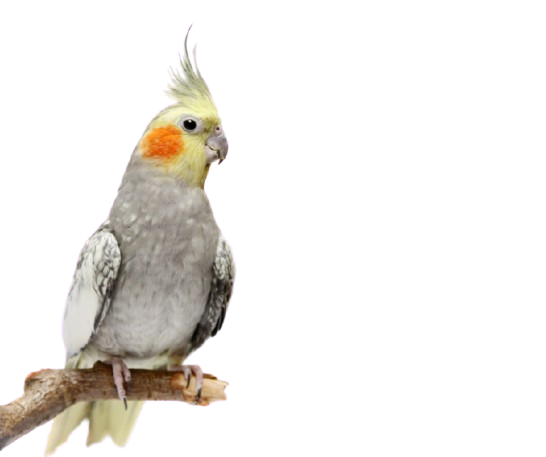
Why Do Cockatiels Scream or Whistle Loudly?
Understanding why your cockatiel makes noise is the first step toward a calm, happy home. Cockatiels use vocalizations to communicate, signal excitement, greet their human “flock,” or request attention. While some whistling, chirping, and soft screeches are completely natural, excessive or repetitive screaming usually comes from boredom, stress, or inadvertently reinforced habits. By providing mental stimulation, a consistent routine, and careful attention to their cues, you can manage the volume and timing of these vocal expressions.
Key Takeaways
- Natural Instinct: Cockatiels are social birds; whistling and chirping is how they communicate with their flock.
- Morning and Evening Rituals: Expect greetings at dawn and dusk—this is their way of checking in.
- Attention-Seeking: Running to the cage every time your cockatiel whistles teaches them that noise equals your attention.
- Environment & Health: Sudden loud noises can indicate stress, fear, or illness.
- Toys and Foraging: Keeping a cockatiel mentally stimulated reduces boredom-induced screeching.
Why Do Cockatiels Whistle or Scream?
At THE COCKATIELS FOR SALE HOME, we often hear owners ask: “Why is my cockatiel so loud?”
Think about it from their perspective. In the wild, a cockatiel is constantly communicating with its flock. When you’re the “flock,” your cockatiel is just letting you know they are present, safe, or curious. If you respond to every squawk by rushing in, your bird thinks it has successfully called you over, and the noise is reinforced.
Environmental Triggers
Cockatiels are very sensitive to changes in their environment:
- New objects or furniture: Even a bright new lamp can seem threatening.
- Household noise: TVs, vacuums, or barking dogs can trigger alarm calls.
- Other pets: A new cat or dog in the home may create stress-driven whistling.
Common Causes of Screaming or Loud Whistling
- Boredom: Intelligent and social, cockatiels need toys, interaction, and mental challenges.
- Sleep deprivation: They require 10–12 hours of quiet, dark sleep each night.
- Dietary or health issues: A hungry or unwell cockatiel may vocalize to express discomfort.
- Hormones or breeding season: Cockatiels may become more vocal in spring or during mating cycles.
Cockatiel “Vocal Profiles”: What to Expect
Different cockatiel varieties have slightly different vocal tendencies:
| Cockatiel Type | Vocal Tendencies | Volume / Personality |
|---|---|---|
| Normal Grey | Moderate whistling and talking | Friendly and social |
| Lutino | Loud morning whistles | Gentle, but attention-seeking |
| Pied | Energetic chirps and squawks | Curious, playful, needs supervision |
| Cinnamon | Frequent soft chatter | Calm, but startled easily |
Where to Find Well-Adjusted Cockatiels
- THE COCKATIELS FOR SALE HOME: Our birds are exposed to household sounds early to reduce fear-based screaming.
- Local avian rescues: Older cockatiels may already be used to home environments.
- Avian veterinarians: Always check for sudden changes in vocal behavior—it may indicate illness or discomfort.
Training Tips to Manage Noise
- Reward Quiet Behavior: Give treats or attention when your cockatiel is calm or softly whistling.
- Ignore Loud Screeches: Avoid rushing to respond; wait for brief quiet moments before approaching.
- Foraging Activities: Offer toys, puzzles, and chewing opportunities—mental exercise reduces noise.
- Consistent Routine: Feed, interact, and let them rest at roughly the same times daily.
Conclusion: Living With a Vocal Cockatiel
Cockatiels are naturally expressive birds. Loud squawks, whistles, and chatter are part of their charm. At THE COCKATIELS FOR SALE HOME, we teach owners to differentiate between attention-seeking calls, happy whistles, and alarmed screams.
A completely silent cockatiel isn’t necessarily happy—vocalization is a sign of mental and emotional health. Your goal is not to eliminate noise but to redirect it into positive behaviors, like talking, gentle whistling, or singing at appropriate times. With patience, toys, and training, you’ll enjoy the lively personality of a happy, vocal cockatiel without it taking over your entire home.
FAQ
Is it possible to completely stop a cockatiel from screaming?

No—and you wouldn’t want to. Screaming and whistling are natural forms of expression. The aim is to manage timing, encourage soft whistles or talking, and ensure they are not screaming constantly out of stress, boredom, or unmet needs.