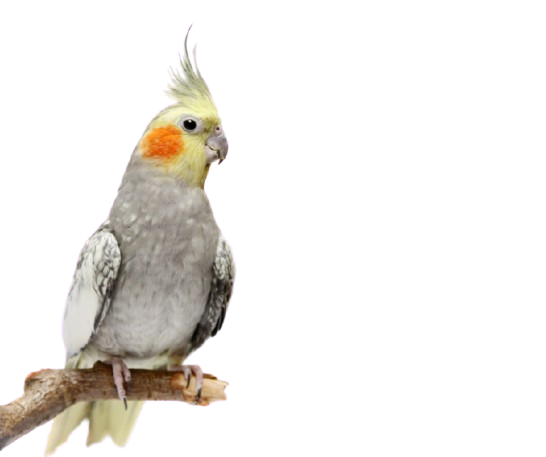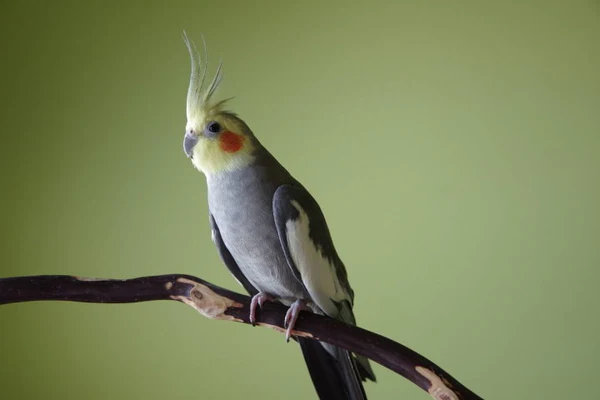
Why Do Cockatiels Scream or Whistle Loudly
Why Do Cockatiels Scream or Whistle Loudly? It’s the number one question I get from new owners, and honestly, the answer is usually much simpler—and more social—than you might think. A cockatiel isn’t usually trying to drive you up the wall; they are simply acting like the flock-oriented creatures they are, using their voices to navigate, call for their human family, or express a bit of excitement about their environment. In my experience as a breeder, I’ve found that what sounds like “nuisance noise” to us is often a very deliberate “contact call” or a way of asking, “Hey, where did everyone go?” Understanding the difference between a natural, happy whistle and an anxious, demand-driven scream is the first step toward living in harmony with your feathered friend. If you can learn to decode these vocalizations, you’ll find that a lot of the “problem” behavior is actually just a misunderstanding between two different species trying to share a home.
Key Takeaways
- Flock Instincts: Screaming and whistling are primarily social tools used by cockatiels to stay connected with their “flock” (that’s you!).
- Natural Cycles: Expect more noise at sunrise and sunset; it’s an evolutionary habit for gathering or settling the flock.
- Avoid Reinforcement: Never rush to the bird when they scream for attention, as this inadvertently teaches them that being loud is how they get you to come over.
- The “Contact Call” Rule: Answer a soft contact call with a whistle of your own to reassure your bird you’re still there, which can prevent it from escalating into a full-blown scream.
- Active Enrichment: Boredom is a major cause of vocalization; provide foraging toys and varied activities to keep their mind occupied.
The Social Language of Your Cockatiel
When you ask Why Do Cockatiels Scream or Whistle Loudly, you have to look at their wild origins. In the Australian outback, silence can actually be dangerous—it means you aren’t in contact with your safety group. A bird that isn’t hearing its flock is a bird that is worried. When your cockatiel screams, they aren’t necessarily being “bad”; they are often reaching out.
I think we sometimes forget that birds are not like dogs or cats—they don’t have the same “quiet” instinct. They are vocal creatures. A male cockatiel, for example, loves to show off his whistling skills, especially if he thinks he’s serenading a mate or just enjoying the acoustics of the living room. It’s a sign of a healthy, active bird. But yes, it can get loud! It’s all about context. Is he whistling at his reflection in the mirror? Is he calling out because you walked out of the room? These are all very normal, albeit sometimes ear-splitting, expressions of a bird’s day-to-day life.
Decoding the Different Types of Vocalization
To manage the noise, you need to understand what you’re hearing. Not all sounds are created equal.
- The Contact Call: This is usually a sharp, repetitive note. They are looking for you. If you don’t answer, they often escalate to a louder version, which is the “scream.”
- The Alarm Call: If something startles them—a dog walking by, a sudden shadow, or a loud noise outside—they will emit a distinct alarm call. This is instinctive and necessary for survival.
- The Happy Serenade: These are the beautiful, melodic tunes, whistles, and chirps. This is a relaxed, content bird.
- The “I’m Bored” Scream: This happens when they are sitting in the cage with nothing to do. It’s a tantrum for engagement.
Managing the Noise: A Breeder’s Guide
I’ve had folks tell me they want to “train the noise out” of their bird, and I always have to stop them. You can’t train a bird not to be a bird. What you can do is shape the behavior.
- Don’t Reward the Tantrum: If they scream for attention, turn your back. Do not look, do not shout “quiet!”, and do not rush over. Any response is a reward for the bird.
- Reward the Quiet: When they are being good—or making those nice, soft chirps—walk over and give them a treat or some head scratches. You are teaching them that quiet/polite sounds get the “goods.”
- Establish Routines: Birds thrive on predictability. If they know when their social time is, they are less likely to scream out of anxiety for your attention.
- Environment Check: Are they bored? Swap out their toys. Make sure they have a “foraging” routine where they have to hunt for their snacks rather than just eating out of a bowl.
Top Tips for Living with Vocal Birds
If you’re struggling with the volume in your home, consider these expert-approved strategies. I’ve seen them work for everyone from first-time owners to experienced hobbyists.
- Auditory Enrichment: Sometimes, a bit of soft classical music or talk radio can satisfy their need for background noise.
- The “Shower” Trick: A light misting with water can be a great distraction. Birds instinctively want to preen after a “bath,” and it’s very hard to scream with a mouthful of wet feathers.
- Check the Health: Sometimes, excessive screaming is a sign that something is wrong. If the behavior is sudden and out of character, a quick wellness check is always a smart idea.
- Don’t Cover the Cage: Covering the cage during the day to “silence” them is generally a bad idea. It can cause confusion and isn’t the kind of interaction they need to feel secure.
Conclusion: Embracing the Noise
Answering Why Do Cockatiels Scream or Whistle Loudly ultimately leads to a better relationship with your bird. Once you stop viewing the noise as a personal affront and start viewing it as a communication style, the volume level seems to drop—partly because you stop reacting in ways that reinforce the “bad” noise, and partly because you learn to fulfill the bird’s social needs before they have to scream for them. It’s a balancing act, for sure. You want a bird that is expressive and happy, not one that is hushed and suppressed. By providing a routine, plenty of toys, and—most importantly—your consistent, calm presence, you’ll find that the “scream” phase eventually settles into a comfortable, chattery, and much quieter life together.
Frequently Asked Question (FAQ)
Q: Should I shout “Quiet!” or “No!” when my cockatiel screams excessively?

A: Honestly, it’s best to avoid doing that. To your bird, shouting is just “joining the flock.” When you yell back, you are essentially screaming right along with them, which reinforces their behavior. They think, “Oh, look! My human is excited and screaming too! I must have done a good job!” Even if you’re angry, to the bird, you’ve just provided a very high-energy, exciting response. It’s much more effective to be boring. Silence the room, leave the area, and don’t give them that emotional feedback. It’s hard to ignore a loud sound, especially when you have a headache, but silence really is the most powerful tool you have to show them that screaming doesn’t work.